
The point at which someone who has long been struggling with erectile dysfunction searches for expansion-type implant surgery in Gangnam is usually after trying several treatments. Often, oral medications were not effective, injections themselves were burdensome, vacuum erection devices did not fit well into daily life, or the causing vascular or nerve damage had already progressed.
Inflatable penile implants are a treatment that is considered as a last step in such situations. Although the name is widely known, it is a surgery that should be decided upon only after fully understanding how it actually works, what sacrifices are involved, and the fact that once you decide, it is difficult to reverse. This article is not intended to promote any specific product, but was written to organize information that is often easily overlooked during the search stage.
What kind of device is an inflatable penile prosthesis in reality?
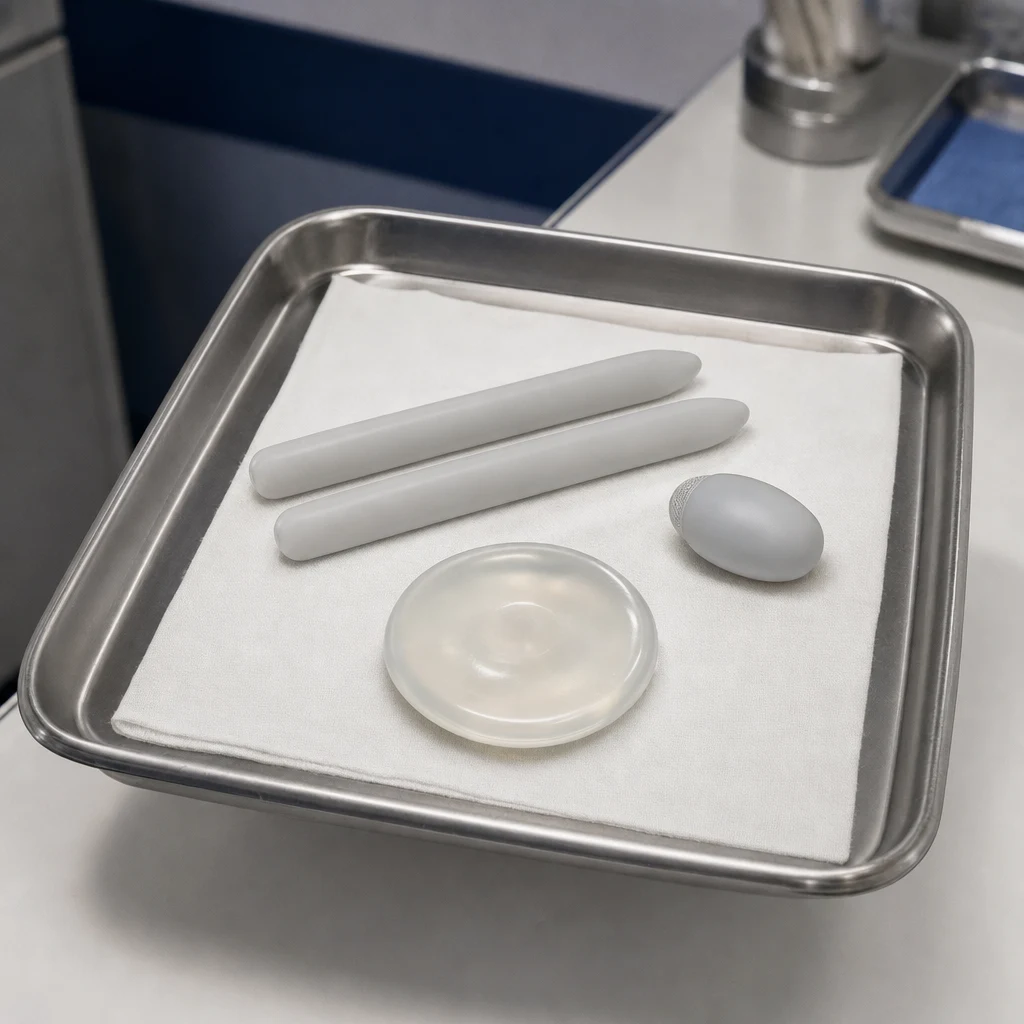
An inflatable penile prosthesis is a medical device with a three-part structure: two cylinders are placed inside the penis, side by side in the position of the corpora cavernosa, a pump is placed in the scrotum, and a reservoir containing saline is located in the lower abdominal area. When the user repeatedly presses the pump felt in the scrotum, the liquid from the reservoir moves into the cylinders to create rigidity, and when a separate release mechanism is pressed, the liquid returns to the reservoir, reducing the volume.
This structure has the characteristic that the user can adjust the volume and stiffness as much as they want at any desired time, but the fact that it is a surgery in which mechanical parts are placed inside the body does not change. As mechanical parts are inserted, mechanical problems such as malfunction, wear, rupture, and friction with tissues must be considered over time.
Who is considered for this treatment

The general sequence of treatment is as follows. First, to distinguish the causes of erectile dysfunction, a medical history, medications, cardiovascular and metabolic status, and hormones are checked, and if necessary, nocturnal erections or blood flow evaluations are conducted. Next, treatment options that have low risk and are easily reversible are tried first. These include oral medications from the phosphodiesterase type 5 inhibitor class, intracavernosal injections to be considered if the response is insufficient, and vacuum erection devices. At each stage, it is important to ensure that the trial was conducted for an adequate period, at an adequate dose, and under appropriate conditions.
Inflatable penile prostheses are considered when satisfactory results are difficult to achieve despite diligently attempting the above steps, or when continuing existing treatments is challenging due to side effects, underlying conditions, or medications. They are discussed when the cause is structurally clear and the condition is chronic, making natural recovery unlikely in the future.
Conversely, if psychological factors are significant, if previous treatments were only tried briefly, if the causes have not been sufficiently identified, or if there are severe cardiovascular diseases, uncontrolled infections, or active urinary tract infections, there is no reason to rush surgery. Even if treatment is received in the Gangnam area, the key to the decision is the evaluation of the causes and the previous treatment process, rather than regional accessibility.
First, understand that it cannot be undone

The most critical aspect to be cautious about in inflatable penile prosthesis surgery is its irreversibility. Because the cavernosal tissue on both sides is expanded to insert the cylinder and that space is replaced by the device, any natural erectile function that remained before the surgery may be damaged or lost afterward. In other words, there is virtually no option to return to the state before the surgery.
Additionally, even if the implant is removed, the corpora cavernosa do not return to their original state. For this reason, if a situation arises where the implant must be removed due to infection or device malfunction, revision surgery to replace it with a new implant is often the realistic option, and it becomes difficult to achieve satisfactory results with non-surgical treatments such as oral medications or injections.
Because of these characteristics, counseling repeatedly checks the question, ‘Have you sufficiently tried previous treatments before deciding on this treatment now?’ Rather than making a hasty decision, it is helpful to organize your treatment history and bring it to the clinic.
What actual risks are there, such as infection, device malfunction, and erosion?

The risks commonly emphasized in the safety information released by manufacturers and in academic guidelines can be divided into several main categories.
First, infection. As with any surgery in which a device is placed inside the body, bacterial infections can occur, and if they do, antibiotics alone may not be sufficient, requiring the removal or replacement of the implant. Diabetes, spinal cord injury, a history of previous pelvic surgery or radiation therapy, and weakened immunity are known conditions that increase the risk of infection.
Second, there are mechanical problems related to the device. Issues such as cylinder rupture, tube bending or leakage, pump malfunction, and movement of the reservoir position may appear over time, and in such cases, replacement through reoperation is required. The timing of occurrence varies from person to person depending on the duration of use, intensity of activity, and individual differences.
Third, tissue issues. Cases have been reported where the cylinder erodes through the urethra or skin, causing tissue atrophy, chronic pain, and the formation of self-induced pain sites. Fourth, changes in the shape and sensation of the genitals. After surgery, some people may feel that the length and sensation of the penis have changed from before, and there may also be changes in ejaculation and orgasm sensations.
These risks should be individually reassessed according to one’s health condition through prior consultation with the responsible medical staff, and should not be judged based solely on general information found through searches.
Questions to Prepare Before Counseling

Even if you have scheduled a consultation in Gangnam, the core issues to be addressed in the consultation room are not related to the location. To avoid wasting your first appointment, it is a good idea to prepare the following questions in advance.
- Have you kept a record of the oral medications, injections, and vacuum erection devices you have tried so far, including their dosages, duration of use, and responses?
- To what extent has the cause of erectile dysfunction been differentiated, and what additional tests are needed?
- Besides the inflatable penile prosthesis, are there any treatments that can be tried again at this point?
- What preparations are necessary to reduce the risk of infection before and after surgery given my health condition?
- How should we understand the damage to natural erectile function after surgery and the difficulty of returning to other treatments?
- What is the treatment process and the possibility of reoperation if there is a device malfunction or infection?
- What is the schedule for postoperative usage education and regular follow-up visits?
The order and content of the list may vary depending on the individual, but the five axes of cause differentiation, adequacy of previous treatment, irreversibility, infection and device issues, and the possibility of reoperation are items that should not be omitted in any consultation.
Referenced Medical Information

- Boston Scientific AMS 700 Inflatable Penile Implant Patient Guide
- Boston Scientific AMS 700 Risk Information
This article is intended to provide general health information and does not replace individual diagnosis or treatment. The suitability, risks, and alternatives of inflatable penile prostheses should be determined on an individual basis through urology consultation.