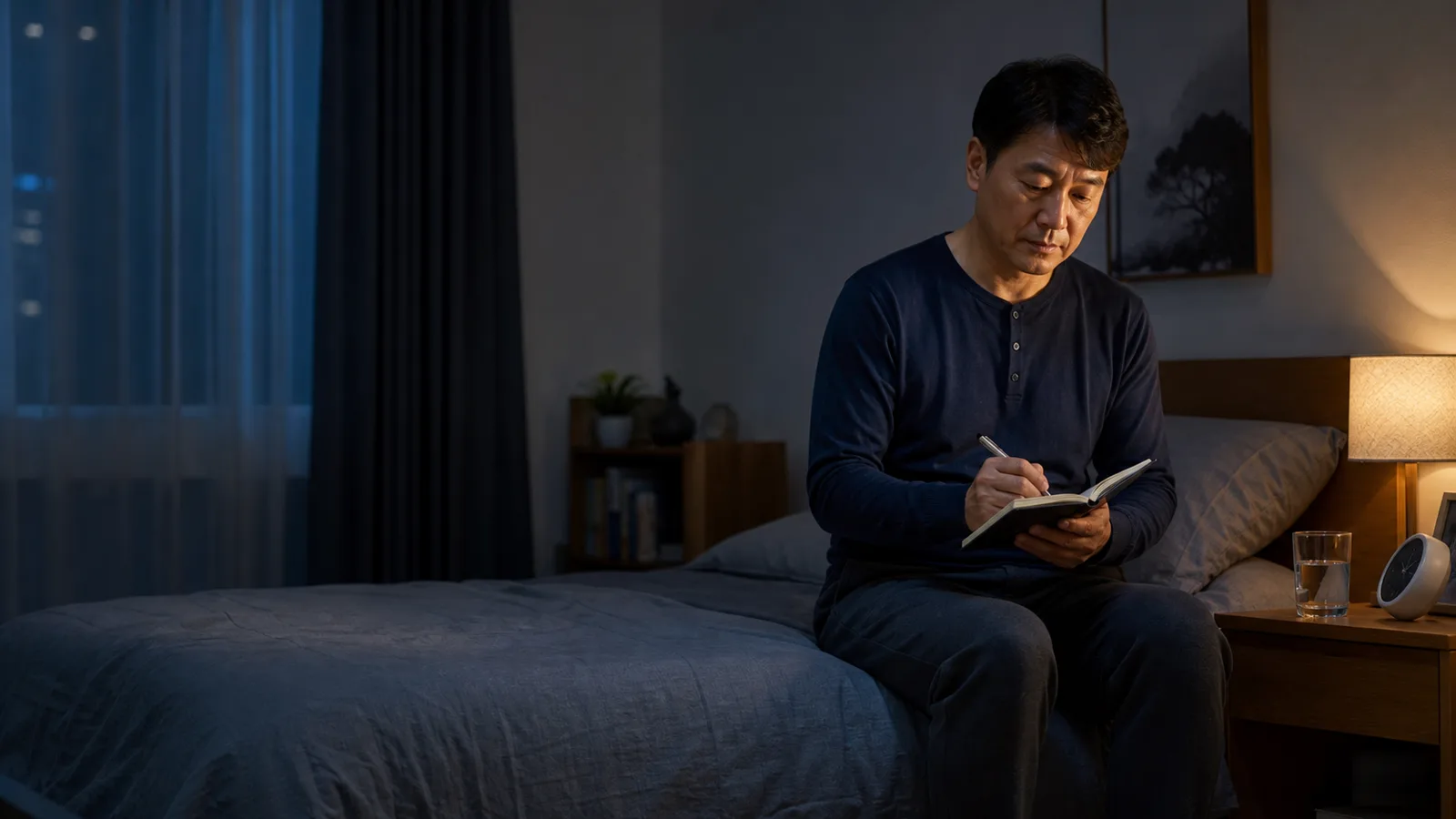
If you repeatedly wake up at night because of urination, it affects your morning fatigue. At first, it’s easy to just think, ‘I must have drunk a lot of water,’ but if your sleep continues to be interrupted, it can also impact your daytime concentration and condition. If the reason you searched for Gangnam Urology Clinic was nocturia, it is important to distinguish why you are waking up rather than just counting the number of times.
Nocturia is not a disease in itself, but a symptom of waking up to urinate during the main sleeping hours. It is not only a problem of the prostate. It is important to check whether there is an increase in urine production at night, whether the bladder cannot store enough urine, or whether one wakes up for other reasons and then goes to the bathroom.
Even if it is the same nocturia, the causes are different
Nocturia can be considered from three main directions.
- Cases where a large amount of urine is produced at night: High fluid intake late at night, alcohol and caffeine, leg swelling, certain medications, or systemic diseases may be related.
- When the bladder cannot store enough: Overactive bladder, urinary tract infection, bladder irritation, or urination problems due to male prostate enlargement can be causes.
- When sleep is interrupted first: If there are factors that disturb sleep, such as insomnia or sleep apnea, a pattern of going to the bathroom because of being awake can occur.
Multiple causes can overlap. If a man has a weak urine stream and a feeling of incomplete emptying, it is necessary to examine the prostate and bladder outlet, but if snoring and daytime sleepiness are severe, sleep issues should not be overlooked. If the ankles swell every evening or there is an increase in both thirst and urine volume, it may be necessary to check for cardiovascular, kidney, or metabolic diseases.
Therefore, it is difficult to answer the question ‘How many times should I wake up before needing treatment?’ with a single number. Even if it happens just once, if it is hard to fall back asleep and it disrupts your life the next day, there is enough reason to consult a doctor. On the other hand, even if it does not happen frequently, if symptoms such as hematuria, pain, or fever are present, the underlying cause should be checked first.
The 3-day voiding diary before the consultation provides a clue

In the clinic, it is difficult to determine from the number of times last night whether a lot of urine was produced at night or only a small amount was urinated each time. In this case, a voiding diary is helpful. The guidelines of the European Association of Urology recommend at least a 3-day voiding diary for the assessment of male lower urinary tract symptoms, including nocturia.
Try writing down the following items on paper or in your phone notes.
- The time and approximate amount of water, coffee, tea, and alcohol consumed
- The time of urination and the amount each time
- Whether it was suddenly hard to hold back, or whether urine leaked
- The time you fell asleep and the time you fully woke up in the morning
- The time you woke up at night and the time it took to fall asleep again
Urine volume can be checked using a dedicated container with markings or a measuring cup. It is good to record it so that you can compare your daily routine, including workdays and holidays, with normal or special days. You do not need to drink more water or hold in your urine just because of the record.
A urinary diary is not a medical certificate but a tool to objectify patterns in daily life. It is meaningful for checking with medical professionals whether the total urine volume is concentrated at night, whether small amounts are frequently voided during the day, or whether symptoms worsen after certain beverages.
What do they check at a urology clinic in Gangnam?
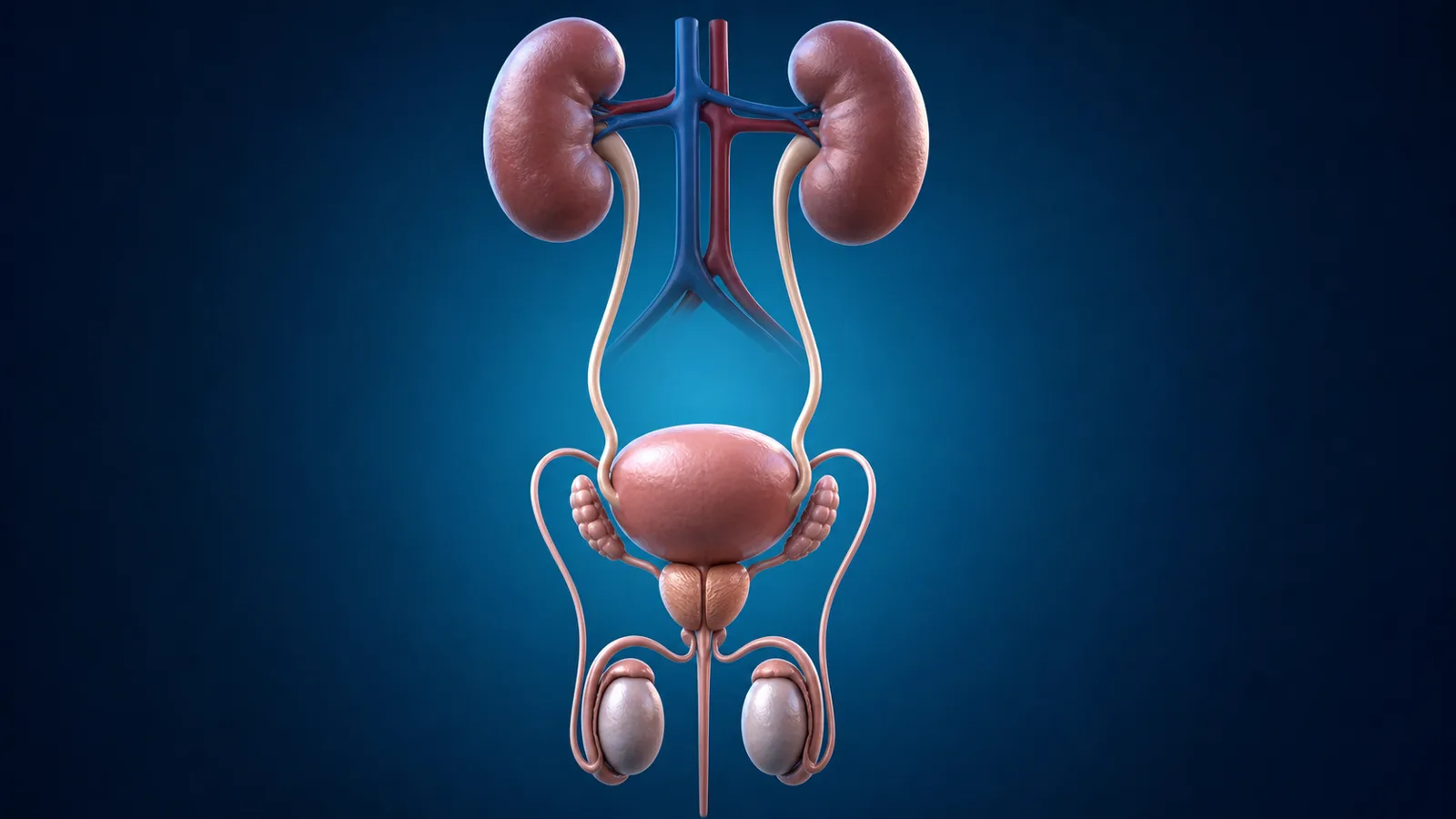
The first consultation starts with a medical interview asking about the onset of symptoms and the extent to which sleep is disturbed. It also checks for daytime frequent urination and urgency, weak urine stream, feeling of incomplete emptying, painful urination, and the presence of blood in the urine. Information on diabetes, hypertension, heart or kidney disease, sleep apnea, history of past urological surgeries, and medications taken is also important.
The test is not performed the same way for everyone. The following items can be selected depending on symptoms and medical history.
- Urine test: Checks for blood in the urine, signs of inflammation or infection, and clues of diabetes.
- Urine flow test and residual urine measurement: Check the urine flow and the amount remaining in the bladder after urination.
- Ultrasound: Examine relevant structures such as the bladder, prostate, and kidneys as needed.
- Blood test: Consider kidney function, blood sugar, or prostate-related values according to an individual’s risk factors.
Even if test results are normal, clues to the cause can appear in urination diaries and sleep patterns. Conversely, even if the prostate appears enlarged, that alone may not explain all causes of nocturia. It is important to interpret whether symptoms, records, and multiple results point in the same direction rather than relying on a single test value.
Lifestyle adjustments should be made specifically after examining the causes

Completely stopping water intake from the evening because of nighttime urination is not a good starting point. If your overall daily fluid intake becomes insufficient, dehydration and constipation can occur, and the amount of water needed varies depending on an individual’s health condition. First, check whether you have the habit of drinking a lot of water in a short time before bed, or whether late coffee and alcohol are being consumed repeatedly.
People whose legs swell in the evening may find that their daytime activity and edema management can affect the amount of urine at night. However, if you have heart or kidney disease or are taking diuretics, do not arbitrarily change your fluid intake or medication schedule and consult your prescribing healthcare provider.
Treatment also varies depending on the cause. The priority of lifestyle adjustments, medication, and consultation with relevant specialties may differ depending on whether the main issue is bladder storage, urination problems due to the prostate, excessive nighttime urine production, or suspected sleep disorders or other systemic issues. This is why it is difficult to apply a single method that is ‘good for nocturia’ to everyone.
If these symptoms occur together, don’t wait
Nocturia itself is often evaluated step by step in an outpatient setting, but if the following symptoms accompany it, you should not just wait for your appointment date and should promptly seek an evaluation at a medical facility.
- I have severe discomfort in my lower abdomen while not urinating at all
- Visible hematuria or clots appear
- There is painful urination or flank pain along with fever and chills
- Severe thirst, increased urine output, and changes in body weight have newly appeared
- It is accompanied by sudden pain or a deterioration of the overall physical condition
The number of times you wake up at night is just a starting point. If you are preparing for a consultation at Gangnam Urology, bring a 3-day voiding diary and a list of medications you are taking, and ask, ‘In my case, which factor is more significant: urine production, bladder storage, or nighttime?’ Identifying the cause is necessary to reduce unnecessary restrictions and determine the next step that suits you.
Referenced Medical Information
- European Association of Urology (EAU): Diagnostic Evaluation of Male Lower Urinary Tract Symptoms
- European Association of Urology Patient Information: Nocturia Bladder Diary
- National Institute of Diabetes and Digestive and Kidney Diseases (NIDDK): Diagnosis of Bladder Control Problems
This article is intended to provide general health information and does not replace diagnosis or treatment. Consult medical professionals for tests and treatments suitable for your symptoms and medical history.