
There is usually a clear reason when you type Gangnam Urology Clinic into the search bar. It could be because your urine stream has weakened, you noticed blood in your urine, you experience repeated flank pain, or your health checkup results show unfamiliar values. However, after actually receiving treatment, it can be difficult to remember what each test was checking, even though you heard a lot of test names.
Having a large number of tests does not necessarily mean good medical care, nor does a single normal result mean that all problems are resolved. What is important is to formulate questions that match the current symptoms, choose tests that answer those questions, and understand how the results connect to the next decisions.
The scope that urology checks is wider than you think
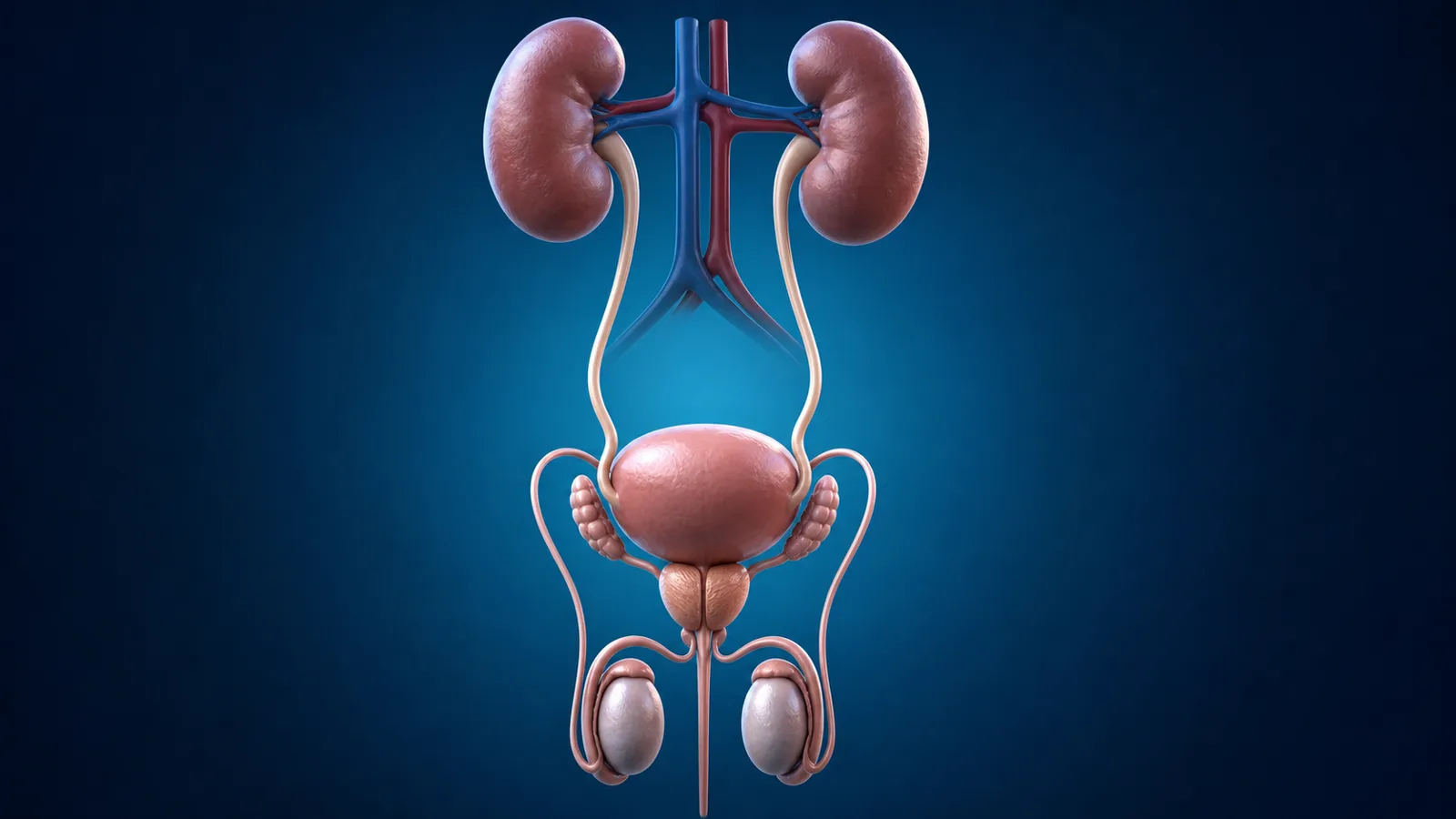
Urology is not a department only for men. It deals with kidney, ureter, bladder, and urethral diseases, urinary tract infections, stones, hematuria, and voiding disorders in both men and women, and also treats men’s prostate, testicular, sexual function, and infertility issues. Even if the symptoms are similar, the starting point and causes may be different.
For example, symptoms of frequent urination at night can be associated not only with benign prostatic hyperplasia but also with overactive bladder, nocturia, sleep problems, diabetes, or the use of diuretics. Side pain should also be differentiated not only for stones but for musculoskeletal pain or infections. Therefore, when choosing Gangnam Urology, rather than focusing on the presence of specific equipment, you should also consider the experience with cases related to your symptoms, the process of explaining the reasons for tests, and the follow-up care system.
A good examination starts with a detailed medical history

A medical interview is not a formal conversation before an examination. The priority of tests changes depending on the process of asking when the discomfort started, whether it began suddenly, whether pain, fever, or hematuria are accompanied, and whether it is worse during the day or at night. Past history of stones, infections, surgeries, smoking, fluid and caffeine intake, and changes related to sexual activity are also checked as needed.
You should report not only prescription medications but also cold medicine, allergy medicine, diuretics, anticoagulants, and health supplements. Some medications can affect urination, bleeding, sexual function, or the planning of tests and procedures. Even if the questions are sensitive, the reason medical staff ask them is not to judge, but to make an accurate distinction.
The test results are interpreted by connecting them with each other

- Urine tests are the starting point for checking clues such as red blood cells, white blood cells, bacteria, proteinuria, and diabetes. If abnormalities are found, they may lead to culture tests, microscopic examinations, or imaging tests.
- Urine flow test and residual urine measurement examine the shape and speed of urine flow, as well as the amount remaining in the bladder after urination. Since a single result is affected by urine volume and tension, it is interpreted together with symptoms.
- Ultrasound examines the structures of the kidney, bladder, prostate, and testicles as needed. Since it is not a test that rules out all minor lesions, CT or endoscopy may be required depending on the purpose.
- Blood tests are selected according to the situation, including kidney function, infection/inflammation, hormones, and PSA. PSA is not a definitive test for prostate cancer, and changes are considered along with other findings.
When hearing the results, instead of just asking whether they are normal or abnormal, check ‘Does this result explain my symptoms?’, ‘Is additional testing needed?’, and ‘If we are going to monitor, what should be recorded?’.
Records for the next consultation create continuity of care

If you have urinary problems, try recording the times and amounts you drank over three days, the times and amounts of urination, and any urgency, incontinence, or nighttime urination. For pain, note the location, start time, duration, and any accompanying fever, vomiting, or blood in the urine. It’s also helpful to gather previous test results, imaging data, and photos of any medications in one place.
After your urology appointment in Gangnam, make sure to specifically check the next visit date and what needs to be done before then. This includes how long to take your medication, what side effects require you to contact the doctor, activities to avoid before a follow-up exam, and emergency contact methods.
A test is not the conclusion itself, but data for the next decision. Remember that understanding the results and going through the process of asking questions are all part of the medical care.
Referenced Medical Information
- Urology Care Foundation: Basic Guide to Urology
- European Association of Urology (EAU) Male Lower Urinary Tract Symptoms Diagnostic Evaluation
This article is intended to provide general health information and does not replace diagnosis or treatment. The selection of tests and interpretation of results should be determined with medical professionals based on individual symptoms and medical history.