Once flank pain subsides and you return to daily life, one question often remains: “What should I avoid eating from now on?” You may have heard that you should drink plenty of water, and, because calcium can be a component of stones, wonder whether to stop drinking milk first.
Preventing recurrent urinary stones is not about making a long list of forbidden foods. The starting point is finding out what kind of stone you had and identifying changes to make in your own fluid intake and eating habits. Even after the pain disappears, checking for remaining stones and preventing new ones should be considered separately.
The images are AI-generated to aid understanding. Scenes featuring a doctor were recreated using a photograph of Medical Director Ji Hyun Park as a reference; they are not photographs of actual patients or clinical encounters.
1. Spread Water Intake Throughout the Day, with a Goal Suited to Your Health
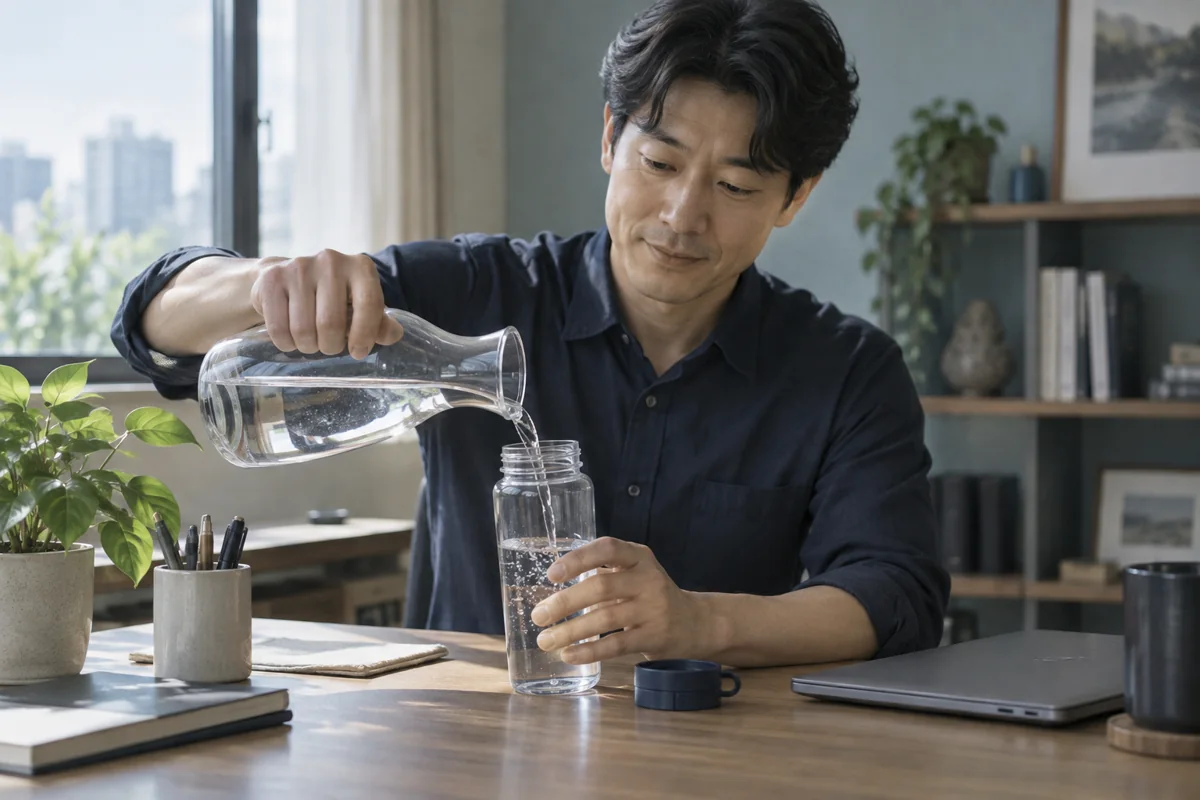
When urine volume is low, substances that form stones can become more concentrated. Adequate fluid intake is an important preventive measure for many types of stones. However, the amount needed varies with the weather, activity level, sweating, and other medical conditions. NIDDK guide to stone treatment and prevention
It is difficult to recommend the same number of water bottles to everyone. In particular, if you have been advised to restrict fluids because of heart or kidney disease, prioritize those instructions and adjust your goal with your healthcare team. Do not suddenly increase your intake on the assumption that more water is always better.
Practical steps become more specific when they fit your schedule. Decide on actions to change, such as filling a water bottle when you arrive at work, keeping track of how much you drink with meals, or identifying times when you are more likely to miss fluids on exercise days. Create opportunities to drink throughout daily life rather than trying to make up the entire shortfall at the end of the day.
Checking urine color can help you reflect on your hydration, but color alone cannot determine whether stone prevention is adequate. If stones keep recurring, actual urine volume and composition may need assessment. If stones recur despite drinking plenty of water, do not assume that you lack willpower; tell your clinician at your next visit.
The first question to write down is less “What is the right number of liters?” and more “When do I often miss fluids, and do I have any condition requiring restriction?” Use this to set a realistic goal with your healthcare team. NHS guide to preventing kidney stones
2. Review Your Overall Diet Instead of Automatically Cutting Out Calcium
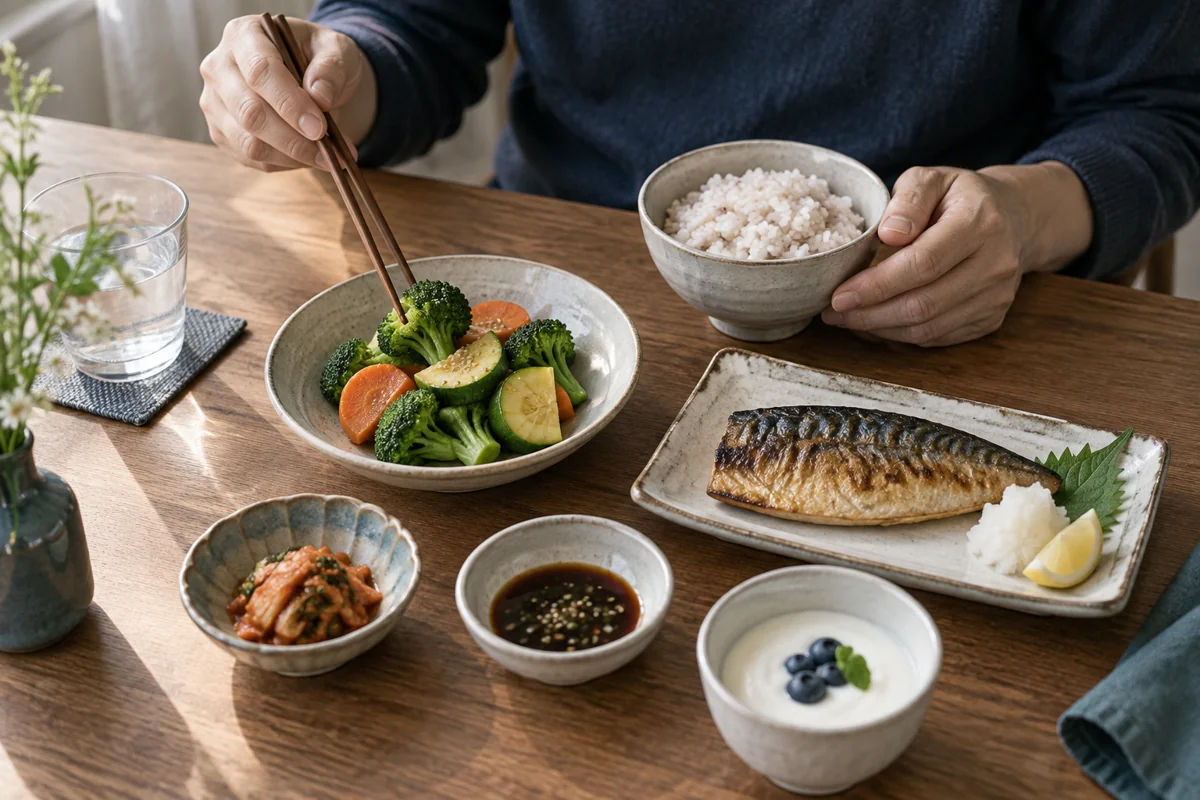
The term calcium stone can make it tempting to avoid all calcium-containing foods. However, appropriate amounts of calcium from food help bind substances such as oxalate in the intestine. A history of calcium stones alone is not a reason to restrict all calcium-containing foods. Consider supplements separately from food and check whether you need them and in what amount.
Sodium and animal protein are also worth reviewing. Which components to adjust, and by how much, depends on your stone type and test results. Some people need to moderate foods high in oxalate, but that does not mean everyone should avoid all vegetables and nuts. NIDDK dietary guide for kidney stones
| Common assumption | Question to ask at your visit | Information to gather from daily life |
|---|---|---|
| Calcium is the cause, so I should stop eating dairy | How should I maintain calcium intake for my stone type? | A list of usual foods and calcium supplements |
| As long as I drink water, my diet does not matter | Do I also need to adjust sodium and protein intake? | Restaurant meals and processed foods eaten often |
| Every food said to be bad for stones is forbidden | Which components actually need restriction? | Foods eaten often and approximate amounts |
| A special drink can replace preventive medication | Do I need treatment in addition to dietary changes? | A record of drinks and supplements used |
Dietary counseling becomes more concrete when you review how much broth you consume, whether you can serve sauces separately, and how often you eat processed meat or convenience meals. Explaining recurring eating patterns is more useful than focusing on having eaten a particular food once.
Excessively narrowing the range of foods you can eat makes a diet difficult to sustain. Write down three foods you commonly eat and one situation in which dietary changes are difficult. If needed, nutritional counseling can consider both stone prevention and adequate nutrition.
3. What Can Stone Analysis and a 24-Hour Urine Test Tell You?

Analyzing a passed or removed stone can identify the substances it contains. If you have saved a stone, ask your healthcare team whether it can be tested. If you have previous results, showing those records before arranging new testing can also help.
A 24-hour urine test collects all urine passed over a day to assess volume and stone-related substances. Its purpose differs from a routine urine test that checks a single sample for inflammation and other findings. The necessary evaluation depends on recurrence patterns and risk factors; not everyone needs the same set of tests. NIDDK guide to stone treatment and prevention
If this test is recommended, do more than pick up the container. Check the following:
- When to begin collecting and when to finish
- What to do with the first and last urine samples
- How to store the urine during collection
- Whom to contact if you miss a collection or spill some urine
- How to maintain your usual diet, fluid intake, and medications
Follow the testing facility’s collection instructions. There is no need to drink unusually large amounts of water or drastically change your diet to produce favorable numbers. If you miss part of the collection, let the team know rather than keeping it to yourself. Knowing the actual collection conditions is important when interpreting the results.
When receiving the results, ask not only “Are they normal?” but also “Which result means I should change which habit?” and “When will we test to check for improvement?” Connecting the numbers to practical guidance makes it easier to apply them in daily life.
4. Remember Follow-Up Plans and Emergency Signs Even After Pain Resolves

Small stones may cause no symptoms. Being pain-free therefore does not establish that all stones are gone. Whether any stones remain after treatment and when further imaging is needed should be determined from previous tests and the course of treatment. NIDDK guide to kidney stone symptoms
Particularly after lithotripsy, preventing recurrence and checking for residual stones are separate questions. Careful dietary changes do not replace checking for fragments that already remain. Read more in Follow-up and retreatment for residual stones after lithotripsy.
Some people may need preventive medication in addition to lifestyle changes. Prescribing depends on the stone type, test results, and other medical conditions, so do not simply take the same medicine as another patient. If medication is prescribed, ask what effects will be monitored and what follow-up tests are needed. NIDDK guide to preventive treatment
In contrast, flank pain with fever or chills, an inability to pass urine, or vomiting that makes even drinking water difficult requires prompt medical care. Repeated severe pain should also be assessed rather than endured until a scheduled appointment. These are not situations to resolve by forcing yourself to drink large amounts of water or waiting while changing your diet. NIDDK guide to kidney stone symptoms
At the end of treatment, write down the next visit date and, separately, the symptoms that should prompt earlier contact. You need both an everyday prevention plan and a plan for responding if you suddenly become unwell.
5. Frequently Asked Questions When Starting Recurrence Prevention

I have a calcium stone. Should I stop drinking milk first?
Do not stop based on the name alone. Distinguish calcium from food from calcium supplements, and seek guidance based on stone composition and a dietary assessment. Sodium, protein, and other components should also be reviewed.
If I drink lemon water, will I no longer need medicine?
Citrate in citrus drinks may help, but it does not guarantee the same benefit for every type of stone or replace necessary treatment. Rather than continually drinking sugar-heavy beverages for prevention, make water your main drink and seek advice suited to your stone type. NIDDK guide to fluids and prevention
If I follow prevention advice well, will stones never return?
The goal is to lower recurrence risk; freedom from recurrence cannot be guaranteed. If stones return, rather than blaming only your lifestyle, reassess previous stone composition, treatment outcomes, diet, and urine test results together.
What should I start doing today?
Find your previous reports to check the stone type, and briefly record when you usually drink water and what meals you often eat. At your next visit, clarify three points: a fluid goal suited to you, eating habits to change, and the timing of follow-up tests. This makes the direction of your efforts clearer. If you are curious about differences by stone location, see Differences between kidney and ureteral stones.


