
If an erection falls short of expectations once, you may worry that it will happen again. It is easy to start by typing medication names into a search box, but different questions matter more at the first consultation: when the changes began, what changed, and which medicines you currently take.
If you are looking into an erectile dysfunction consultation in Samseong-dong, prepare in the following order before comparing medication strength or duration. Even when symptoms seem similar, the health issues to assess and suitable treatments may differ.
The images are AI-generated to aid understanding. Scenes featuring a doctor were recreated using a photograph of Medical Director Ji Hyun Park as a reference; they are not photographs of actual patients or clinical encounters.
1. Start with When Your Symptoms Changed, Before Choosing Medication

Erectile dysfunction means having difficulty because an erection is insufficient or does not last as long as needed. A single experience cannot establish the cause. The starting point is explaining whether the difficulty occurred only on a tiring day, repeats in different situations, or is accompanied by changes in sexual desire or ejaculation.
Blood vessel, nerve, and hormone function; chronic conditions such as diabetes; medications; anxiety; and stress may all be involved. This is why it should not be dismissed as simply aging or assumed to be purely psychological. Morning erections alone do not rule out physical causes. The NIDDK guide to causes of erectile dysfunction discusses these factors together.
Your notes do not need to be long. Writing the following four points in your usual words is enough to start.
- Onset and frequency: Approximately when the difficulty began and how often it happens
- Type of change: Whether starting or maintaining an erection is difficult, and whether sexual desire has changed
- Health and daily life: Known conditions, sleep, alcohol use, and recent major stress
- What you have already tried: Names of medications taken, your response, and uncomfortable symptoms
At the consultation, the clinician determines which tests are needed based on your history and examination. Blood tests or blood-flow assessment may help in some cases, but not everyone needs the same tests all at once. Rather than treating an online testing list as mandatory in advance, ask what question a proposed test is intended to answer. NIDDK guide to diagnosis
If speaking about it is difficult, you can show your notes. It is fine to begin with a short explanation such as “My sexual function has changed.” Identifying specific changes helps guide treatment choices.
2. Review Occasional Medicines as Well as Daily Ones

Some oral erectile dysfunction medicines help blood flow to the penis. Sildenafil and tadalafil are examples. However, a familiar medication name does not mean it is safe for everyone. Combining these medicines with nitrates used for chest pain must be avoided because it can cause a dangerous drop in blood pressure. Mayo Clinic guide to oral medications
If you think only of daily medicines, it is easy to leave out occasional chest pain medication or prescriptions from another clinic. Tell the clinician about medicines for prostate symptoms, blood pressure medicines, and dietary supplements as well. If you do not remember the names, bring the prescription or packaging. Do not stop existing medicines yourself because you suspect they may be causing the problem.
| What to prepare before your visit | What it helps check |
|---|---|
| Prescription names and directions | Whether they can be used with erectile dysfunction medication |
| Medicines used only as needed | Easily overlooked interaction risks, such as chest pain medication |
| Supplements and products purchased abroad | Whether ingredients and their effects on other medicines can be assessed |
| Recent consultation and test records | Whether existing conditions and treatment require further assessment |
Heart disease and low blood pressure also affect prescribing decisions. If you have experienced chest pain or shortness of breath during exercise, mention it rather than treating it as unrelated to sexual function. Do not work out your own dosing interval on the assumption that briefly stopping one medicine will make the combination safe.
Avoid sharing another person’s prescription or trying products from uncertain sources. Checking a prescription and directions suited to you comes before choosing by product name or appearance. NIDDK guide to erectile dysfunction treatment
3. Do Not Increase the Dose Based on a Single Response
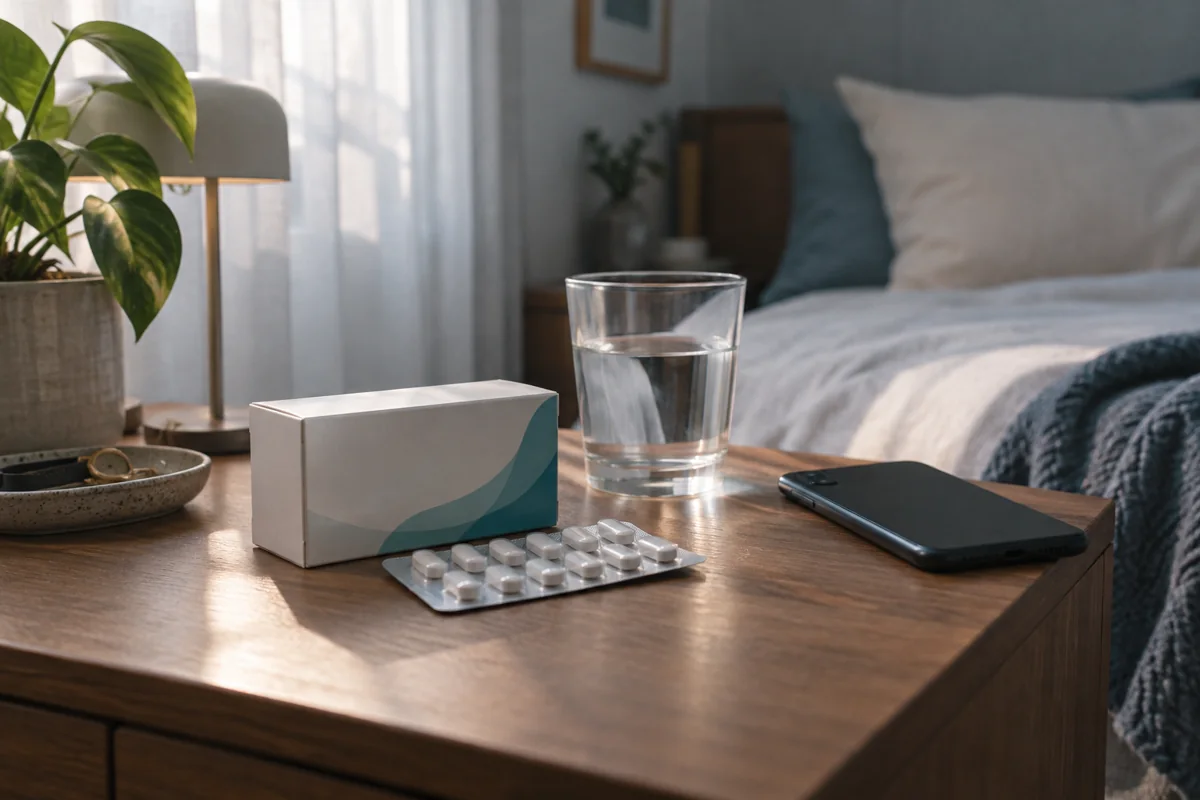
Oral treatments should not be understood as medicines that automatically create sexual desire or maintain an erection immediately after taking them. They support the blood-flow response to sexual stimulation, and dosing time, food effects, and duration vary between medicines. A longer duration of action does not mean an erection lasts throughout that period. Mayo Clinic guide to oral medications
If you receive a prescription, confirm when to take it, the daily dosing limit, how to manage meals and alcohol, and when to seek another consultation if the effect is insufficient. Even if the active ingredient appears the same, your prescribed dose and method of use matter.
Sildenafil may take longer to work after a large meal, and heavy drinking itself can make erections difficult. Even so, do not take an extra dose or combine different erectile dysfunction medicines on a day when the response is less than expected. NHS guide to sildenafil
For the next visit, it helps to record the time you took it, meals and alcohol, what changed, and any uncomfortable reactions, rather than only saying “It did not work.” This record is not homework to earn a good score. It helps you and your clinician decide whether to adjust the prescription, review instructions, or arrange further assessment.
An insufficient response does not automatically mean surgery is needed. The first steps are to reassess the cause and conditions of use, then consider whether other treatments are suitable. If you want to explore options, read When penile implants are considered for erectile dysfunction, but discuss whether this applies to you at your consultation.
4. Distinguish Uncomfortable Side Effects from Emergency Signs

Uncomfortable effects such as headache or dizziness may occur. If they recur or interfere with daily life, consult the prescribing clinic or a pharmacist rather than changing the dose yourself. It is best not to drive when dizzy or when your vision is blurred. NHS guide to sildenafil
The following situations are not reasons to wait and see how the medicine works.
- An erection lasting 4 hours or longer: Seek emergency care immediately, whether or not it is painful.
- A sudden decrease in vision or hearing: Stop taking further doses and seek immediate medical assessment.
- Chest pain, severe shortness of breath, or fainting: Call for emergency help, such as 119, and report the medication taken and the time.
Prolonged erections and sudden changes in vision or hearing are also covered in the NIDDK guide to reactions requiring immediate medical care. If chest pain occurs, first tell emergency clinicians that you have taken erectile dysfunction medication, and do not add a nitrate chest pain medicine yourself. If you cannot remember the name, bring the packaging, but do not delay calling for help while looking for it.
Knowing whom to contact in these situations before the first dose makes responding easier. The purpose is to distinguish foreseeable discomfort from changes requiring immediate care, rather than changing medication alone out of fear of rare side effects.
5. Frequently Asked Questions at the First Consultation

Will medication resolve all the underlying causes too?
Treatment that supports erections and management of the causes can proceed together. The plan depends on which factors are involved, such as vascular health, chronic disease, medications, or psychological burden. Do not stop treatment for an existing condition simply because symptoms improve.
Would testosterone supplementation help more without testing?
Erectile dysfunction alone is not a reason to choose testosterone treatment. Symptoms suggesting hormone deficiency must be considered alongside test results. If you also have fatigue or changes in sexual desire, What is assessed in testing for male menopause can help you prepare discussion points.
If I am under a lot of stress, can counseling be part of treatment?
Counseling may help if anxiety or relationship pressures are involved. It can proceed alongside assessment of physical problems; there is no need to decide in advance that only one side is responsible. Options including lifestyle changes and counseling are discussed in the NIDDK treatment guide.
What should I say first at my initial visit?
You can start by explaining when difficulty maintaining an erection began and which medicines you currently take. When booking care in Samseong-dong, check whether you can bring previous prescriptions or test records. The aim is to identify a treatment that can be tried safely with your current health and arrange the next visit to assess the response, rather than choosing the strongest medicine.