
Start by Noting What Has Changed Alongside Fatigue
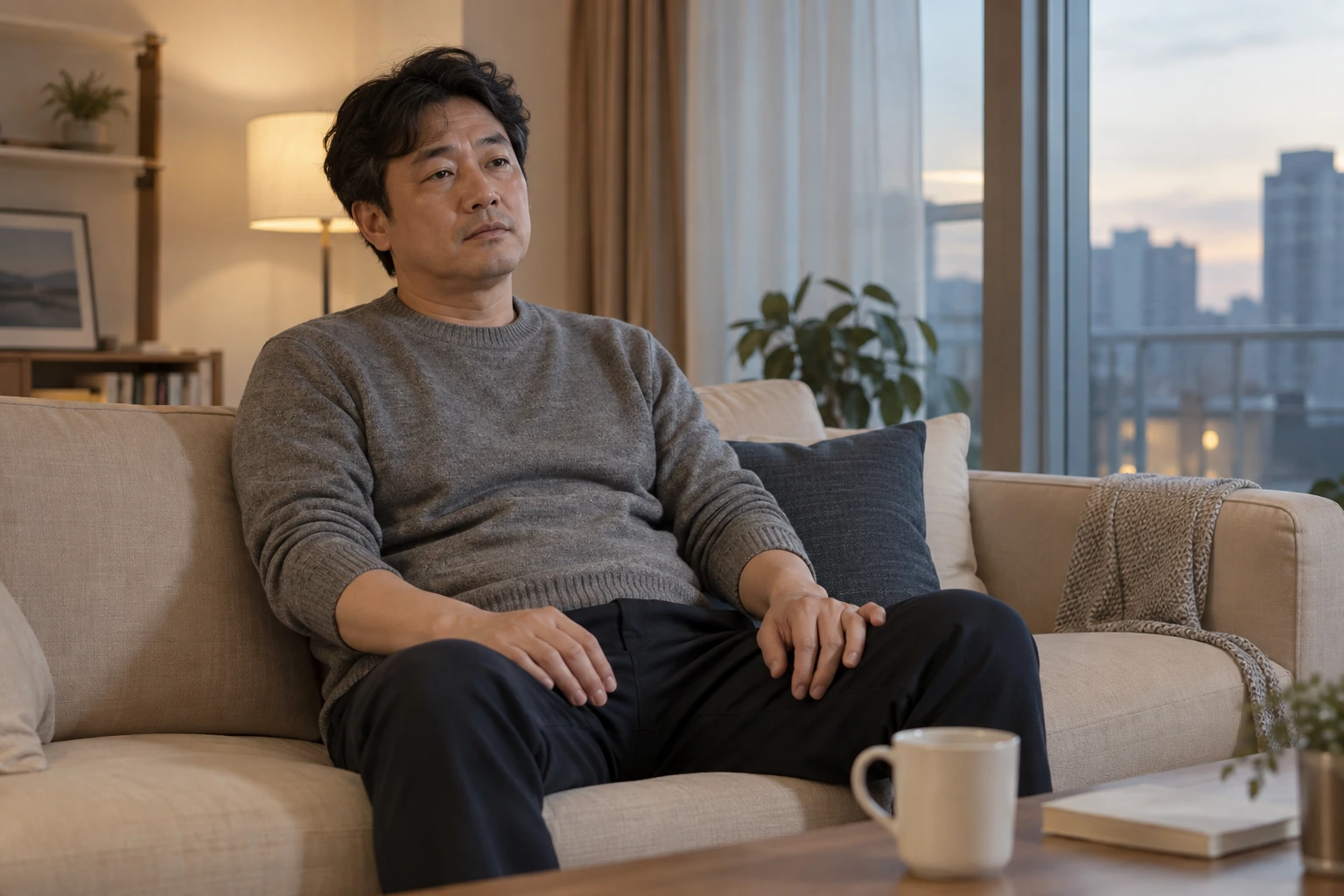
After sitting on the sofa at the end of the workday, it is hard to get up. You sleep more than before but still feel tired. If these changes continue, you may look into andropause testing in Yeoksam-dong. However, fatigue can describe many different states. Low testosterone is only one possible cause, and feeling tired alone does not establish a diagnosis.
The consultation explores what has changed alongside fatigue. You discuss whether sexual desire has decreased, whether spontaneous erections have changed, and how you are sleeping and feeling. It is fine if you cannot remember exactly when symptoms began. Noting beforehand how everyday life differs from before can make symptoms easier to explain.
Diagnosing testosterone deficiency requires both clinical symptoms and consistently low testosterone levels. Older age or a high questionnaire score alone does not determine hormone treatment. The core of the first visit is to gather evidence, step by step, that may explain your present difficulties.
Why One Morning Test Does Not Settle the Question
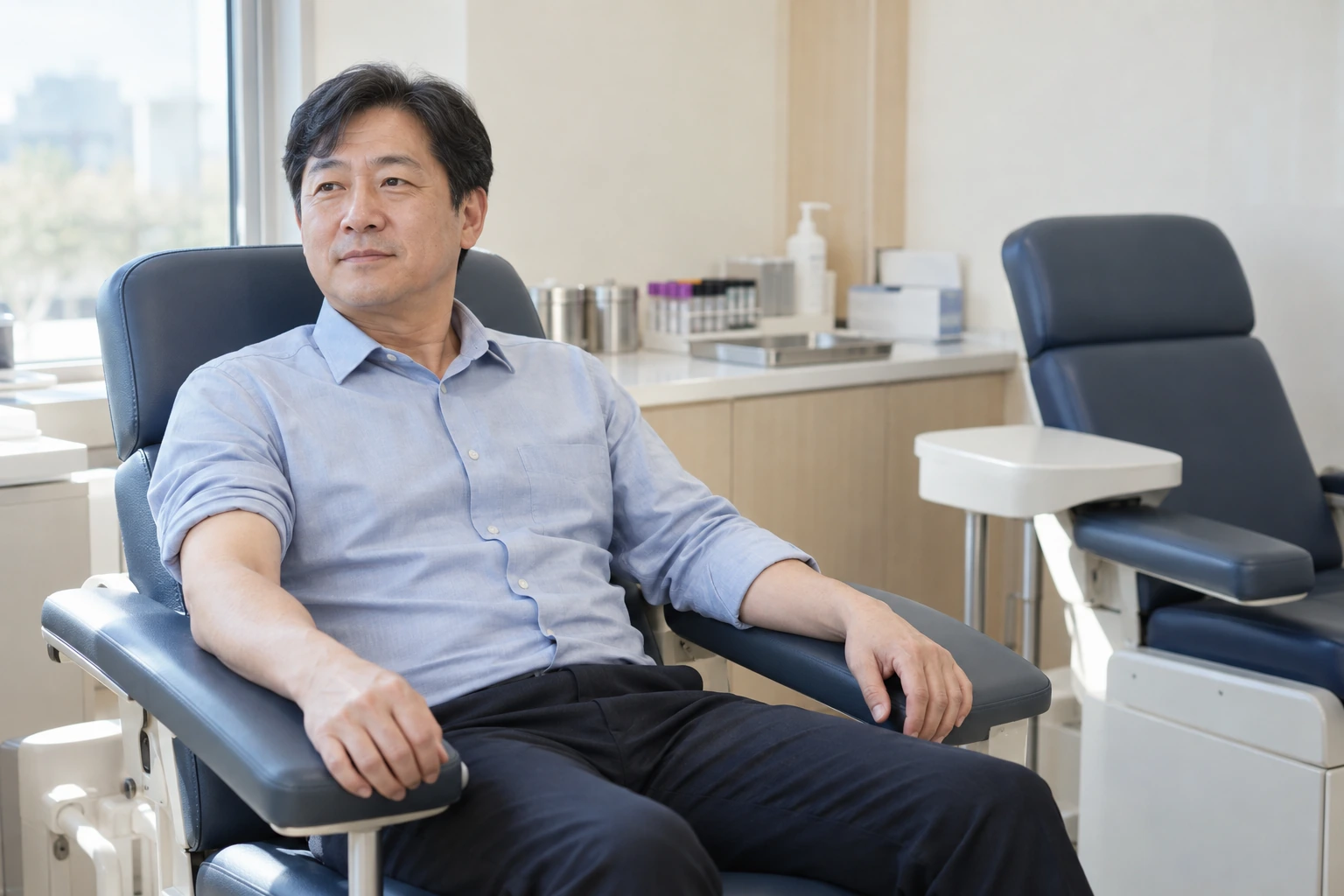
When you receive a test report, the numbers naturally draw your attention first. A below-range mark may make treatment feel immediately necessary. However, testosterone levels can vary with the time and conditions of sampling. Alongside the numbers themselves, when and under what conditions the blood was drawn matters greatly.
Endocrine Society guidelines recommend measuring total testosterone in the morning while fasting and repeating the test if the level is low. The aim is to see whether it remains low on another day. This is why a single result does not directly establish a diagnosis or treatment decision.
The laboratory’s measurement method and reference range must also be considered. Applying a single number found online directly to your own result can lead to misinterpretation. If looking into testing in Yeoksam-dong, confirm sampling time and preparation such as fasting when booking. Asking when and how the result will be explained also makes planning the next visit easier.
If the Level Is Low, Investigate the Cause Too

Even after confirming a low level, a question remains: why has it fallen? Assessment and treatment may differ depending on whether the change relates to obesity or another illness, the testes themselves, or the organs that regulate hormone secretion. The test result is a starting point for identifying the cause.
The visit considers sleep, weight changes, current medications, and recent health problems together. Other hormone tests may be used when necessary to distinguish causes. Additional assessment may also be considered when total testosterone alone is difficult to interpret. This does not mean everyone receives the same set of tests.
European Association of Urology guidelines discuss assessing and improving health conditions associated with functional deficiency. Nevertheless, not all symptoms can simply be attributed to lifestyle. Bringing previous test reports and a medication list helps distinguish what has already been established from what needs further assessment. Do not stop medications on your own; discuss them with your care team at the visit.
Discuss Pregnancy Plans and Medical History First

Changes in sexual activity can be difficult to bring up in the consulting room. You may also wonder why the doctor asks about plans for children. However, if you plan to conceive soon, you must tell the care team before deciding on treatment. Testosterone administered from outside the body can suppress sperm production. Relieving sexual symptoms and improving the chance of pregnancy cannot be treated as the same issue.
The Endocrine Society’s patient guidance also identifies plans for children as a consideration in treatment selection. Testosterone supplementation is not recommended for patients planning pregnancy in the near future. First obtain an assessment appropriate to the cause of your symptoms and your reproductive plans. If discussing it aloud feels uncomfortable, preparing a note before the visit is another useful approach.
Past medical history is also important in assessing treatment safety. A history related to prostate cancer, prostate abnormalities needing evaluation, elevated red blood cell-related values, untreated severe sleep apnea, and cardiovascular disease should be reviewed beforehand. Of course, not every medical history can be simplified into an absolute contraindication. Tell the care team specifically what condition was diagnosed, when, and what treatment you currently receive.
Treatment Goals Are Symptom Improvement and Safe Follow-up

Once clinical symptoms and low hormone levels are both confirmed, the possible benefits of treatment are weighed against potential risks. The goal goes beyond increasing a number on a report. It is necessary to keep checking whether the difficulties you actually experience improve and whether other problems arise during treatment. The same degree of improvement in fatigue, mood, and sexual function cannot be promised to everyone.
Treatment should not be broadened indiscriminately on the assumption that people with normal hormone levels will experience similar effects. This is not a routine anti-aging or vitality-restoring therapy for healthy middle-aged men. Depending on the cause of symptoms, better sleep, weight management, and management of coexisting conditions may form part of overall care.
After treatment begins, symptom changes and adverse effects are reviewed, and testosterone levels, blood measures, and prostate health are assessed together. Potential risks such as acne, increased red blood cells, and reduced sperm production must also be considered fully. Rather than viewing it as a one-time procedure completed after a set number of sessions, understand it as ongoing treatment guided by your body’s response. Plan future visits and testing with the care team when treatment is prescribed.
Check Testing Costs and Treatment Costs Separately

When comparing prices among clinics, first confirm that the same items are being compared. The meaning differs greatly depending on whether a quote includes only the first consultation and blood test or also repeat testing and actual treatment. When asking Seoul Newgen Urology Clinic about testing costs, first confirm which tests are recommended and whether repeat testing is included. When comparing clinics around Yeoksam-dong, likewise check that the charges cover exactly the same items.
You can ask separately about consultation fees, initial testing, and repeat testing on another day. If additional tests are needed, ask both their purpose and their cost. Once treatment is decided, confirm whether medication, administration, and monitoring tests are each included. If some costs cannot yet be determined at the first consultation, feel free to ask why.
Time spent attending appointments is another important consideration alongside money. The actual administration method and review schedule may affect visit frequency and intervals. Health insurance coverage or private medical expense insurance reimbursement cannot be guaranteed universally, as the care provided and applicable criteria or policy terms need to be checked. Knowing what a quote includes, rather than remembering only the total, helps reduce later confusion.
Records to Prepare When Seeking a Consultation in Yeoksam-dong

There is no need to prepare an elaborate report before consultation. Briefly note when fatigue or reduced sexual desire began, your sleep pattern, and your current medications. Bring previous test reports and your future pregnancy plans as well. It is fine to say honestly that you do not remember something clearly. There is no need to fill gaps with uncertain guesses.
Even if looking for andropause care near Yeoksam-dong, separately confirm the exact location of the clinic you will visit and preparation for testing. For example, Seoul Newgen Urology Clinic is actually located in Samseong-dong, Gangnam-gu. When booking, check preparation for blood collection, how results are discussed, and an approximate schedule if additional visits are needed. The name of the clinic’s neighborhood does not change medical criteria for testing or treatment.
After the first consultation, it is helpful to understand and be able to explain how your symptoms and results connect medically. Know which other causes need to be checked and what will be reviewed first if treatment begins. You do not need to decide on a particular treatment before going to the clinic. Understanding your current condition accurately and deciding the next steps with the care team is a sufficient beginning.