
Recurrent Pelvic Pain and Urgent Warning Signs to Check First

When pain in the perineum or lower abdomen recurs, it is natural to want to know the cause quickly. People seeking prostatitis care near Yeoksam Station may also wonder whether urinary discomfort and pain come from the same condition. These symptoms alone, however, cannot confirm a bacterial infection. Before distinguishing causes, first check for urgent changes that need immediate care.
If you cannot pass any urine, have fever and chills alongside urinary problems, or have severe lower abdominal or urinary tract pain, seek medical care immediately. NHS guidance on prostatitis also identifies inability to urinate as a situation needing urgent attention. Confusion or severe difficulty breathing makes emergency care the first priority.
Even if you have previously received care for chronic pain, do not assume that newly appearing symptoms are part of the same condition. Do not delay care for acute symptoms while organizing records or waiting for an appointment. If your condition has changed rapidly, tell the care team about that change first and obtain appropriate care.
Different Causes Can Share the Name Prostatitis
The diagnostic name prostatitis does not by itself determine one standard treatment. Acute bacterial prostatitis, chronic bacterial prostatitis, and chronic prostatitis or chronic pelvic pain syndrome need distinct assessment. Similar pain locations do not mean that infection status or the course of illness are the same. Having been in pain for a long time does not itself establish that bacteria remain in the body.
The NIDDK explanation of prostatitis outlines these types and the diagnostic process. Chronic pelvic pain may relate to several factors, or its cause may be unclear. Conversely, a long duration of symptoms does not entirely rule out bacterial infection. The type a patient has is determined by considering symptoms together with necessary test results.
When a care team explains that no evidence of infection was found, that does not mean the pain itself is absent. Pain remains an important problem requiring ongoing attention and management. Avoid automatically treating prostatitis as a sexually transmitted disease or attributing it solely to a habit such as prolonged sitting. Distinguishing the symptoms you experienced from your own theories about them makes the consultation clearer.
Record When Pain Occurs Alongside Previous Treatment

When recording symptoms, begin with where it hurts. Use ordinary, comfortable language to describe whether it is in the perineum, lower abdomen, or another area. Note when the pain first began, whether it is constant or intermittent, and whether it changes with urination or ejaculation. If the exact date is unclear, record approximately what you know.
Next, describe how pain affects daily life: whether it disrupts sleep or what specifically is difficult when working or sitting. A note that pain worsened in a certain position is useful clinical information, but it does not prove that position directly caused the condition. Symptoms related to sexual activity that feel awkward to discuss can be written down and shown to your care team.
Also prepare previous test results, names of medications used, duration of use, and changes after taking them. Distinguishing improvements, unchanged symptoms, and uncomfortable reactions helps determine future treatment. You do not need a particular form or a fixed period of records before seeking care. Especially when acute symptoms develop, prompt care takes priority over recordkeeping.
Interpret Urinalysis and Culture Results Together With Symptoms
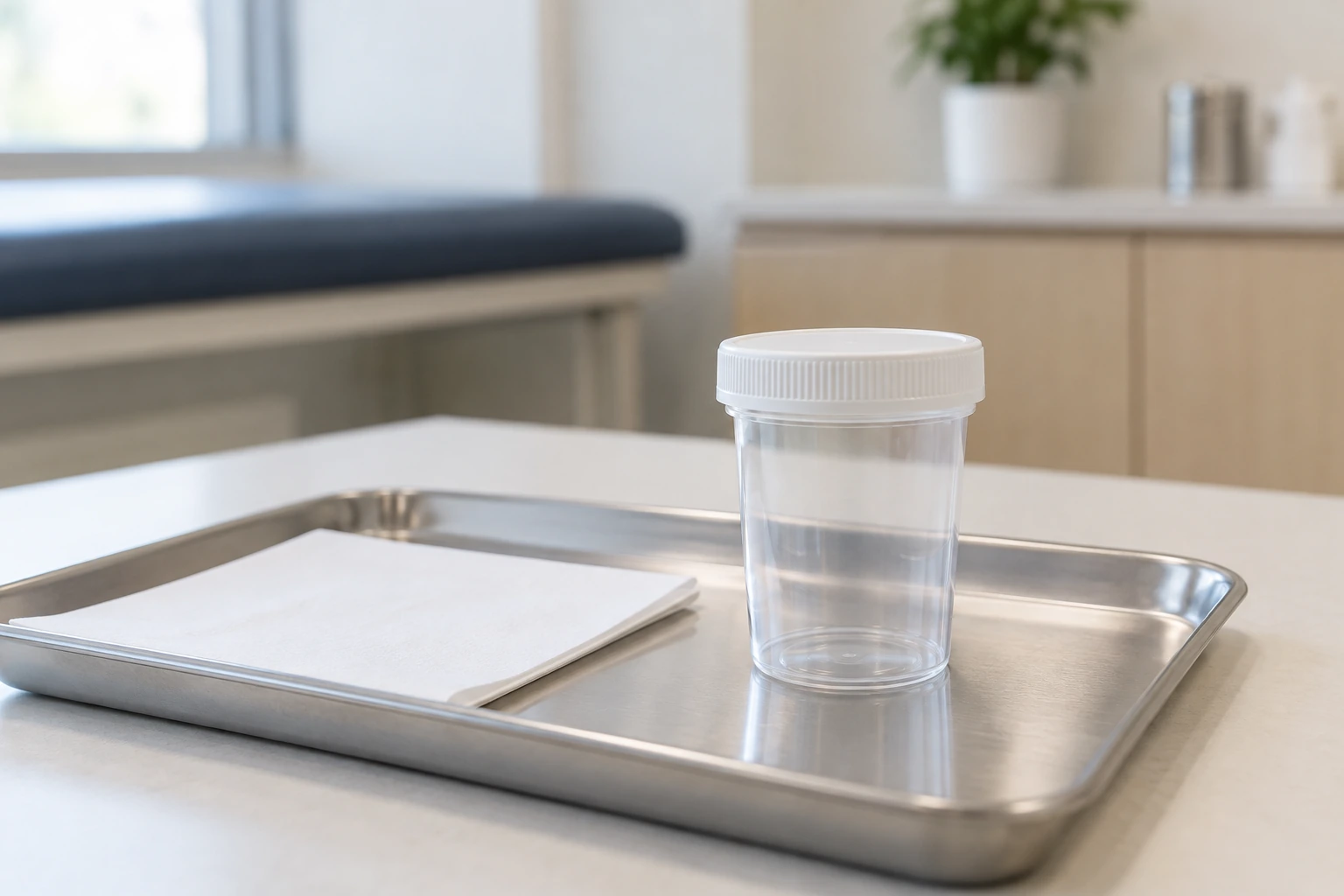
In the consulting room, medical history, examination, and any needed urine tests are used to assess infection as well as other causes of similar symptoms. A urine culture provides important information when assessing bacterial infection and considering antibiotic choice. If further tests are needed, ask your care team to explain the specific purpose of each.
Not every patient receives the same detailed tests all at once. Necessary tests vary with symptom onset and course, previous results, and current condition. Do not mistake online lists of prostate tests for mandatory items at a first visit. Nor can a single result establish every cause of pain or negate the pain a patient feels.
If looking into prostatitis testing near Yeoksam Station, check urine collection preparation and how results are communicated with the facility when booking. If already taking medication, tell the care team its name and how long you have taken it. Do not stop it yourself on the assumption that it may affect testing. Rather than expecting the entire diagnosis to be completed that day, ask what explanations and further care may be needed once results are available.
Review the Treatment Response Before Repeating Antibiotics
Bacterial prostatitis may require appropriate antibiotic treatment matched to the patient’s condition and results. Simply avoiding antibiotics is therefore not always the answer. Conversely, repeatedly taking the same medication solely because pain has not subsided is also inappropriate. Review carefully what previous treatment targeted and how your body responded.
European Association of Urology guidelines on chronic pelvic pain management recommend avoiding unnecessary antibiotic use and considering other options after ineffective treatment. However, clinicians may consider antibiotics in certain circumstances even with chronic pelvic pain, so concluding that a negative culture always prohibits antibiotics goes too far. The decision requires consideration of results, current symptoms, and previous treatment together.
Do not restart leftover antibiotics at home or take medication prescribed to someone else. If already prescribed medication, consult your treating team before changing how you take it or stopping it. Specific information about improved symptoms, remaining symptoms, and side effects helps reassess treatment. If your condition worsens during treatment or fever and urinary problems newly develop, seek prompt care without waiting for the next appointment.
Pain Management That Also Considers the Pelvic Floor and Daily Burden
The pelvic floor is a group of muscles at the bottom of the pelvis that support internal organs. When excessive tension or muscle and myofascial pain are involved, relaxation therapy or physical therapy may be considered after specialist assessment. This does not mean all chronic pelvic pain is caused by muscles. Starting strengthening exercises indiscriminately merely because pain recurs is not advisable either.
There is a reason to consider urinary discomfort, sleep, and the burden on everyday life together. The aim is to incorporate the varied effects that pain in one location alone does not fully explain into the treatment plan. Support to reduce psychological stress may be included when needed. This never means that pain is imagined or will disappear through a change of attitude. It is a multifaceted approach to the difficulties the patient actually experiences.
Guidance on appropriate exercise or relaxation should be based on your individual clinical assessment. You can ask the care team which care may help and when its effect will be reviewed. People respond differently, so a particular device or a single treatment should not be expected to provide a cure. Explaining these approaches is separate from whether a particular clinic actually offers the program; check directly with the clinic if you need a specific service.
Deciding on the Next Assessment at a Prostatitis Consultation Near Yeoksam Station

When asking about costs, check whether consultation, any necessary urinalysis, and urine culture are included in the quoted amount. If further tests are recommended, ask both their purpose and cost. Also clarify prescription medication costs and future follow-up charges as needed. This does not mean every patient must receive every item or that each is necessarily billed separately.
After starting treatment, plan to track progress against your original difficulties. At the next visit, explain changes in pain intensity, urinary discomfort, sleep quality, and daily life, along with any medication side effects. Rather than predetermining a recovery date or visit count, know how the response to current treatment will be assessed. Remember to confirm how results will be communicated and when the next reassessment will occur.
Even if you are looking for consultation near Yeoksam Station, note that Seoul Newgen Urology Clinic is actually located in Samseong-dong. Confirm the clinic you will visit and bring prepared symptom notes and your most important questions. New fever, inability to pass any urine, or rapid deterioration should not wait for the scheduled appointment. Confirming your immediate safety and progressively evaluating the cause and treatment response provides the right basis for future care.