
Hello, this is Seoul Newgen Urology Clinic. When stone fragments pass after extracorporeal shock wave lithotripsy (ESWL), it is easy to think treatment is completely over, yet additional tests are sometimes recommended to help reduce recurrence. Separate from imaging tests that check for remaining fragments, let us look at five key points regarding when stone composition analysis and 24-hour urine testing are needed and how to prepare for them.

The portrait is an actual clinic-owned photograph of Dr. Ji Hyun Park. The cover and section scenes are AI-generated educational images, not actual patients or clinical records. Equipment and props do not represent this clinic’s facilities or specific test results.
Tests for Remaining Stones Differ from Tests for Why Stones Form
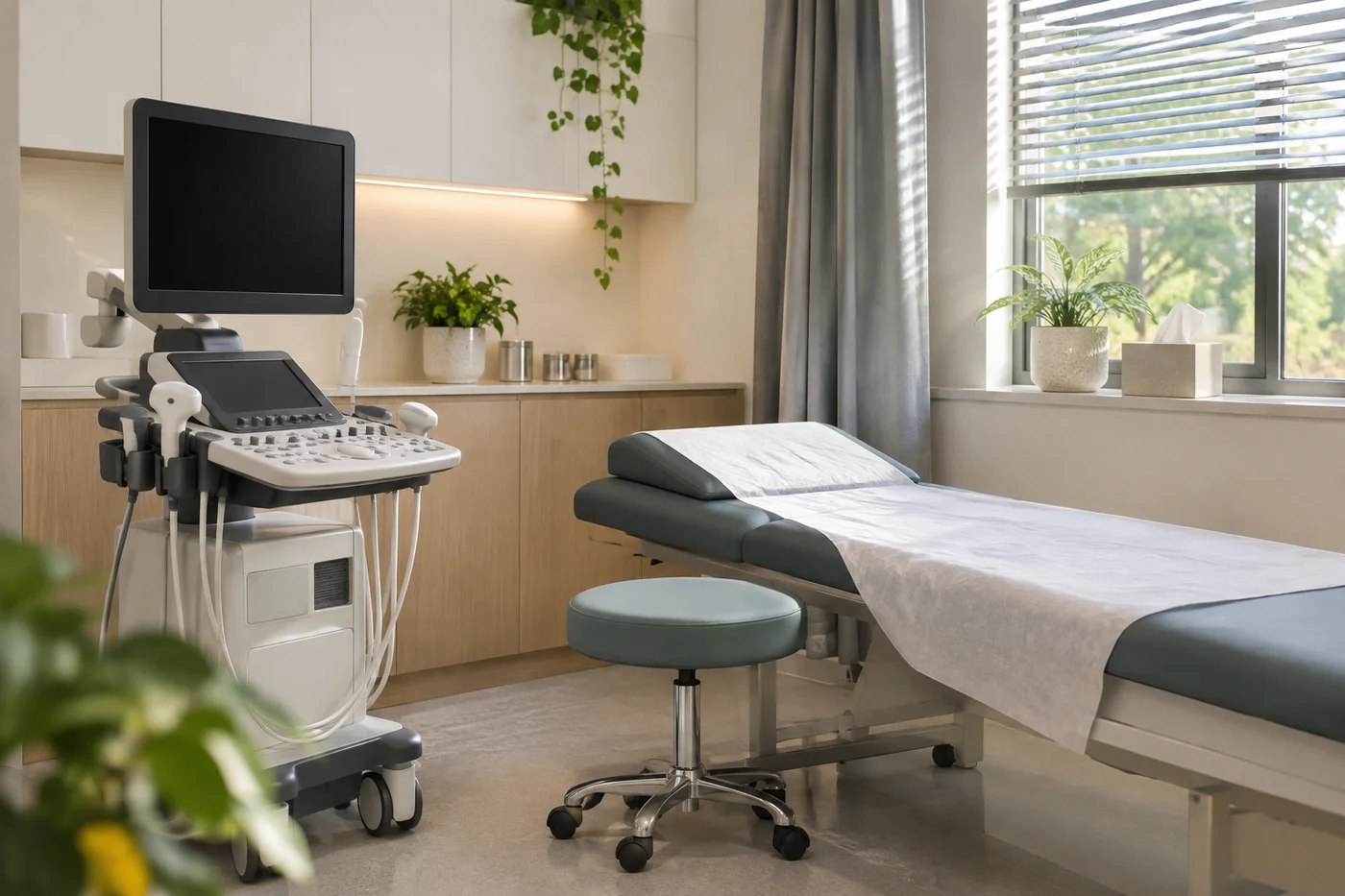
Follow-up imaging tests such as X-rays or ultrasounds performed after extracorporeal shock wave lithotripsy check whether any stone fragments remain inside the body and whether urine is draining properly without obstruction. In contrast, stone composition analysis and metabolic evaluation are performed to identify the underlying causes of stone formation and lower future recurrence risk, meaning their purposes are distinct.
Stone composition analysis is a method that directly examines naturally passed or surgically removed stone fragments to confirm their exact makeup. Because you cannot determine the composition of a stone based solely on the outer appearance of a passed fragment, a photograph, or urine color, collected physical fragments must be sent to the laboratory for accurate verification.
Store and Submit Passed Fragments According to Instructions
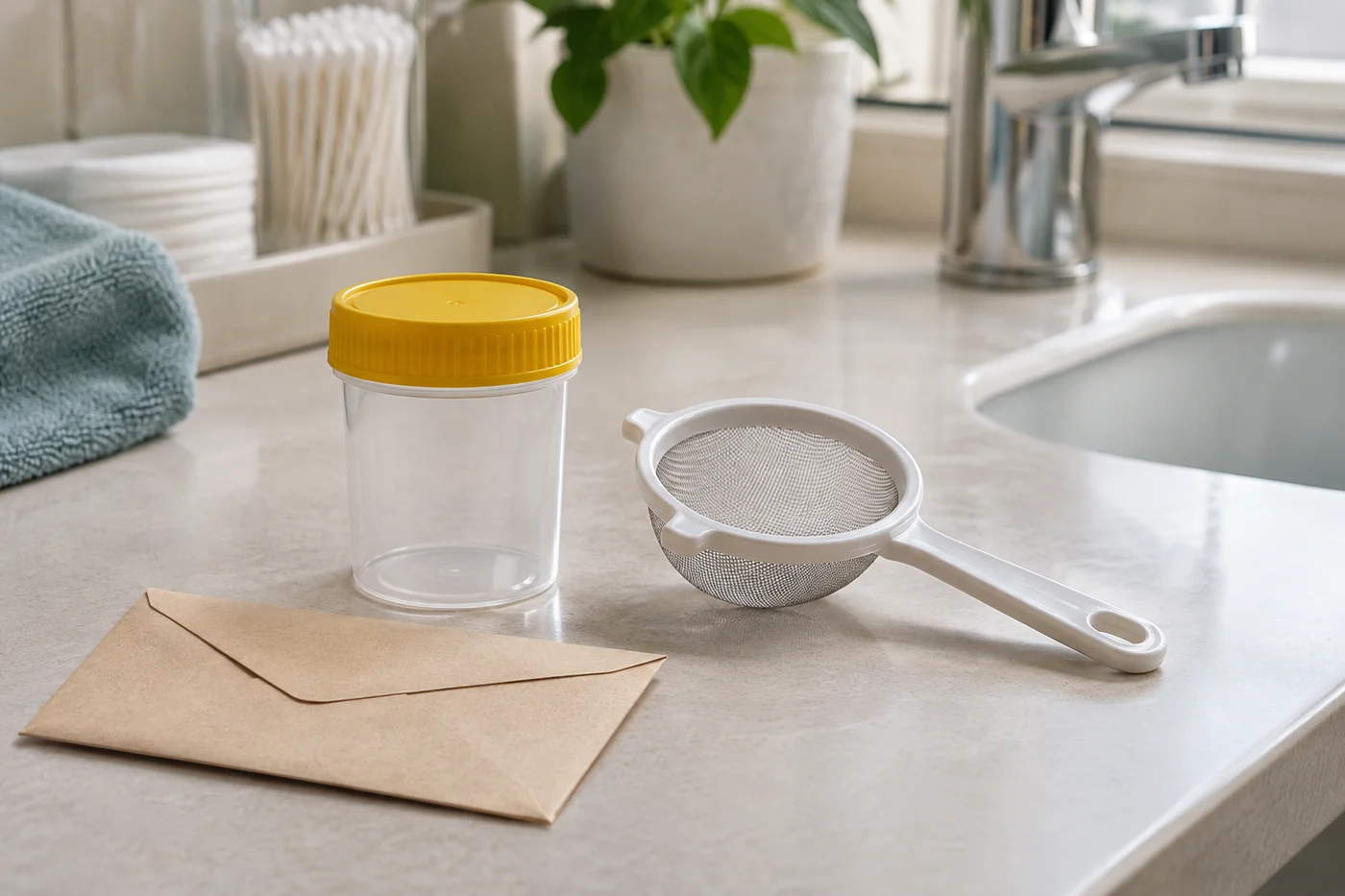
If a stone fragment comes out while urinating, you should collect and store it according to the instructions provided by your clinic. Because recommended containers, drying or storage methods, and submission procedures can vary by institution, it is helpful to inquire about delivery methods in advance. Even fragments that look small to the naked eye can be used for analysis, so save them rather than throwing them away.
Do not add chemicals or detergents to disinfect or wash collected stone fragments, as this can affect the analysis results. Furthermore, if you develop fever and chills, experience severe flank pain again, or have difficulty passing urine while waiting for or storing fragments, you should seek immediate medical care rather than waiting for the composition test.
24-Hour Urine Testing Is Discussed Based on Recurrence Risk

A 24-hour urine test comprehensively examines total daily urine volume along with levels of calcium, oxalate, uric acid, citrate, and sodium to find metabolic causes that predispose a person to stone formation. Its evaluation items and purpose differ from a standard single-void urinalysis, and it is not required for every patient experiencing a stone for the first time.
This test is mainly decided after consultation in situations with a higher risk of recurrence, such as patients with recurrent stones, multiple stones present together, a family history, relatively early onset, or intestinal diseases related to stone formation. Discuss your condition and risk factors with your medical team to determine whether the test is necessary.
Collect Urine Accurately While Maintaining Usual Diet and Fluid Intake

A 24-hour urine test is conducted not immediately after a procedure, but after acute pain or urinary tract infection has sufficiently stabilized, in your everyday environment while eating and drinking as usual. There is no uniform rule dictating an exact number of days after a procedure to perform the test, and while guidelines may recommend two collections, the actual number and timing follow your clinic’s plan.
To improve test accuracy, you must precisely follow the explained procedure, including recording start and end times, discarding the first urination, and collecting every subsequent urination up to the final scheduled urination without omission. Follow laboratory instructions for handling preservatives and storing the dedicated container, and if you miss any urine during the process, do not hide it—inform the staff when submitting.
Connect the Results to a Prevention Plan and Next Follow-Up Schedule

Before the test or after checking the results, do not independently stop or change medications or dietary supplements you normally take. Submit a list of your current medications and supplements to your healthcare provider for reference during interpretation, and avoid choosing medications on your own or making extreme dietary changes such as cutting out all dietary calcium based solely on test numbers.
The results of stone composition analysis and 24-hour urine testing serve as the foundation for establishing personalized fluid intake goals, dietary adjustment directions, and preventive medication plans when necessary. Even after starting a prevention plan, consult with your medical team to set your next follow-up schedule to check whether adjustments are working well and whether new stones are forming.
Related reading: Preventing Recurrent Urinary Stones: How to Manage Water, Calcium, and Salt