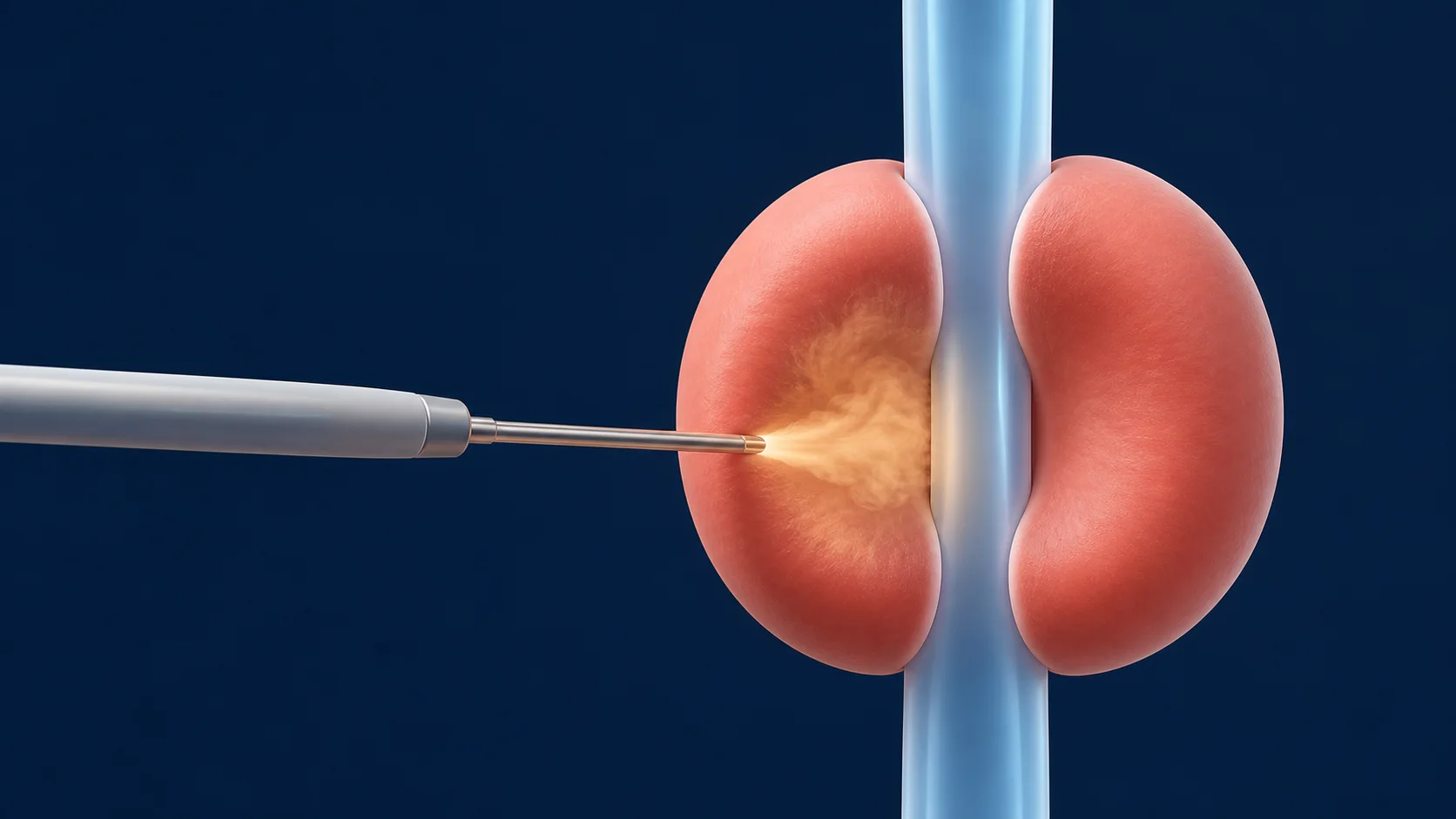
Questions from people in Gangnam who search for ‘Lizum’ and are on the verge of making a decision can be broadly divided into two categories. The first is, ‘Am I eligible for Lizum?’ and the second is, ‘Why specifically Lizum?’ Looking at just the procedure name and principle makes it difficult to answer these two questions. The actual decision is made based on test results, priorities, and comparisons with other options.
This article focuses on the pre-decision stage rather than providing a technical explanation of Rezūm. By organizing items that are easy to miss in the consultation room in advance, you can make much more efficient use of a short consultation time.
Why is a ‘decision frame’ needed first?

We often see patients who have already decided on the procedure name before visiting. However, when we talk in the examination room, it is often the case that the causes of the symptoms are not clearly determined, whether prostate obstruction is indeed the cause, what the results of previous treatments have been, and what they want to improve.
Rezūm is one of several treatment options. Every treatment comes with both benefits and burdens, and the advantages and disadvantages vary depending on an individual’s prostate structure, accompanying conditions, and lifestyle. Therefore, before consulting, it is advisable to first prioritize by asking yourself, ‘What do I want to improve, and what am I willing to endure?’ Having clear criteria allows you to compare test results and various options on an equal footing.
What to look at when judging resume suitability

Whether Rezūm is appropriate is not simply determined by whether the symptoms are severe or mild. The items reviewed during the consultation can be roughly divided as follows.
- Nature and intensity of symptoms: International Prostate Symptom Score (IPSS) and quality of life items, nocturia frequency, patterns of urgency and residual urine sensation
- Objective indicators: uroflowmetry, post-void residual volume, urinalysis, and PSA blood test if necessary
- Structure of the prostate and bladder: Prostate size via ultrasound, presence of median lobe enlargement, bladder wall, and residual urine status
- Presence of complications: recurrent urinary retention, recurrent urinary tract infections, bladder stones, decreased kidney function, gross hematuria
- Systemic factors: Medications being taken (especially anticoagulants), cardiovascular, diabetes, or sleep-related conditions, health status related to anesthesia
- Personal goals: Priority on preserving sexual function, burden of catheterization, allowable recovery period
If we only look at the urinary symptoms, conditions such as overactive bladder, reduced bladder contractility, urethral stricture, and nocturia can show similar patterns. If the causes are different, the options should also differ. If a procedure is chosen at this stage without determining the precise direction, comfort may not improve as much as expected even after the procedure.
3 Things It’s Good to Organize Yourself Before Counseling

First, try to organize your treatment history so far in chronological order. Briefly note when which symptoms appeared, what medications you took and in what amounts, what improved at the time, and what symptoms remain, as this makes consultations much easier. If there were reasons why it was difficult to continue certain medications, such as dizziness, orthostatic hypotension, or changes in sexual function, it is good to record them as well.
Second, you should identify daily life and schedule constraints in advance. After the procedure, a catheter may be needed for a certain period due to swelling, and recovery speed varies between individuals. Checking whether you have business trips, long-term travel, or other surgical or procedural schedules within the next two to three months can help in adjusting the timing appropriately.
Third, try to narrow down the most important outcomes to one or two. Objective improvement in urine stream, reduction in nocturia frequency, minimization of changes related to sexual function, and shortening of recovery time do not completely align with each other. Priorities need to be clear so that healthcare professionals can compare the options they present on the same criteria.
Axes for Comparing Rezūm, Medication, and Endoscopic Surgery

People considering Rezūm usually ponder whether to ‘continue with medication’ or ‘undergo surgery that definitively improves obstruction at once.’ The criteria to help make the decision are as follows.
- Degree of obstruction improvement: Improvement in objective urinary flow rate and residual urine. Generally, endoscopic surgery tends to show a greater extent of improvement.
- Invasiveness and Recovery Burden: Type of anesthesia, duration of catheterization, bleeding, time required to return to daily activities
- Changes related to sexual function: Direction and extent of effects on ejaculatory volume, ejaculatory sensation, and erectile function
- Whether to continue medication: After the procedure, whether medication can be reduced or stopped, or if certain medications need to be maintained
- Possibility of retreatment: The likelihood of needing to resume medication or undergo additional procedures in the mid-term
- Compatibility with personal conditions: Prostate size and median lobe shape, anticoagulant use, anesthesia risk
The 2026 European Association of Urology (EAU) guidelines introduce steam therapy as a treatment option worth considering in terms of minimally invasive approach and preservation of sexual function. However, some studies show that compared to transurethral resection of the prostate, the improvement in objective measures is smaller, and the mid-term retreatment rate, including resuming medication, may be higher. This does not mean that one is superior to the other; rather, it should be understood correctly as indicating that the best choice depends on which outcomes the patient prioritizes.
Questions You Must Ask in the Medical Consultation Room

If you feel that the consultation time is too short, please write down the items below in advance and check them one by one.
- According to my test results, is the main cause of the symptoms really prostate obstruction?
- What is the condition of the prostate size and the shape of the median lobe for considering Rezūm?
- Is there room to maintain, discontinue, or adjust the medication you are currently taking?
- How does comparing the expected benefits and burdens to be borne for Rezūm, medication, and endoscopic surgery according to my conditions turn out?
- If the procedure is decided, how long is the catheter expected to be in place?
- Which side effects are common, and which symptoms are signs that you should contact emergency services?
- By which indicators and at what point in time is the effect evaluated?
- If the symptoms remain or worsen again over time, what is the next option?
Even if the consultation started with a search term like ‘Gangnam Rezūm,’ the conclusion after the medical examination does not necessarily have to be Rezūm. Rather, the process of specifying the cause through consultation and making a decision according to the individual’s priorities and conditions is itself the first step of treatment.
Referenced Medical Information

This text is intended to provide general health information and does not replace diagnosis or treatment. The suitability of treatments for benign prostatic hyperplasia, including Rezūm, should be determined based on individual conditions through a urology consultation.