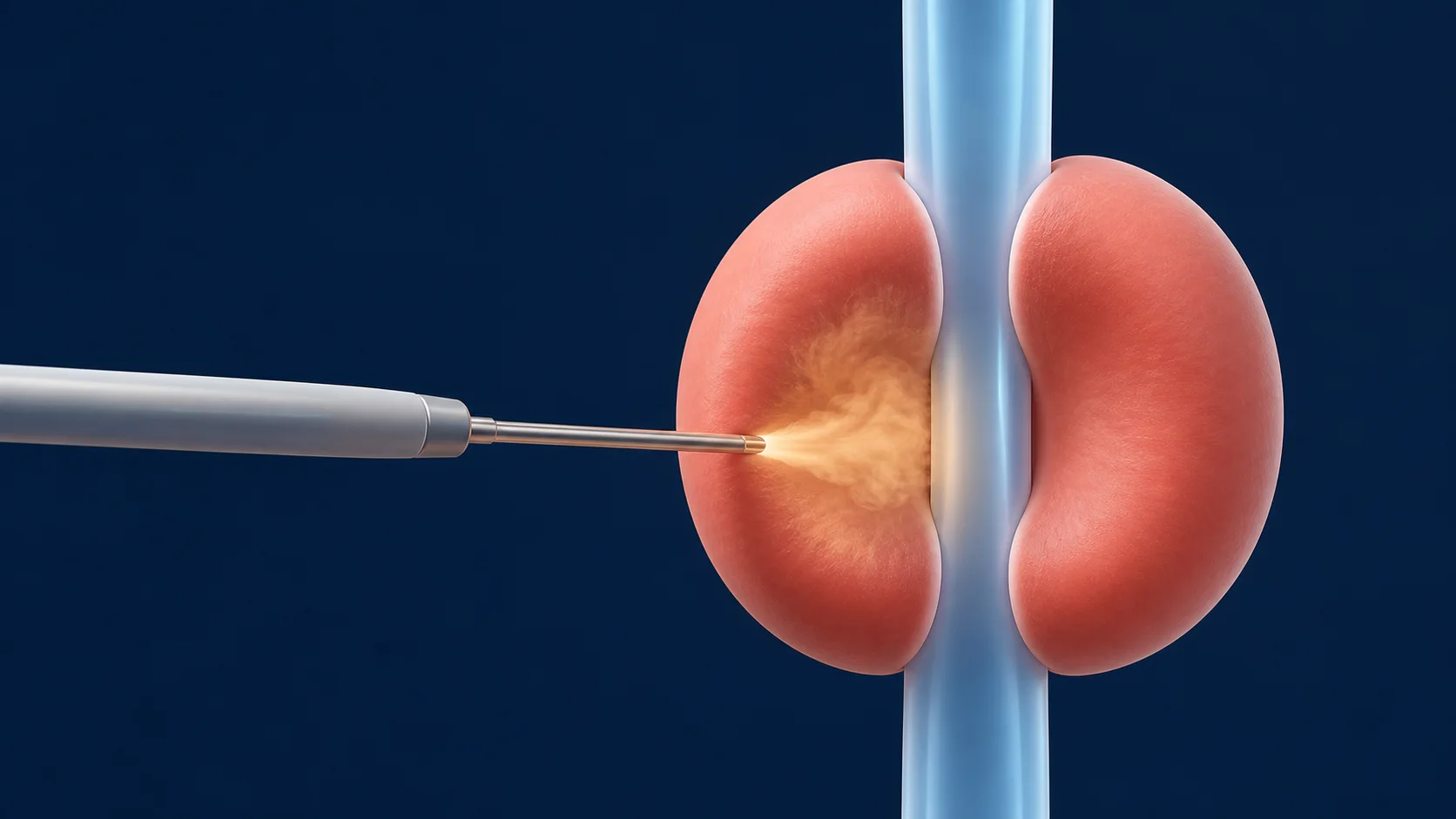
People who have been taking medication for an enlarged prostate for a long time or are concerned about changes in ejaculation function search for ‘Gangnam Rezūm procedure.’ However, in consultations, it is often the case that those who come in already set on a procedure name tend to miss asking the most important questions—whether their symptoms are really due to prostate obstruction, and whether the advantages and disadvantages of Rezūm fit their situation.
Rezūm is a minimally invasive treatment that injects steam generated by high-frequency energy into the prostate tissue. Since the instrument is inserted through the urethra, there is no skin incision, but because it is a medical procedure that applies thermal energy to the tissue, the recovery process, side effects, and the possibility of retreatment must be understood from the beginning.
How does steam change the prostate?
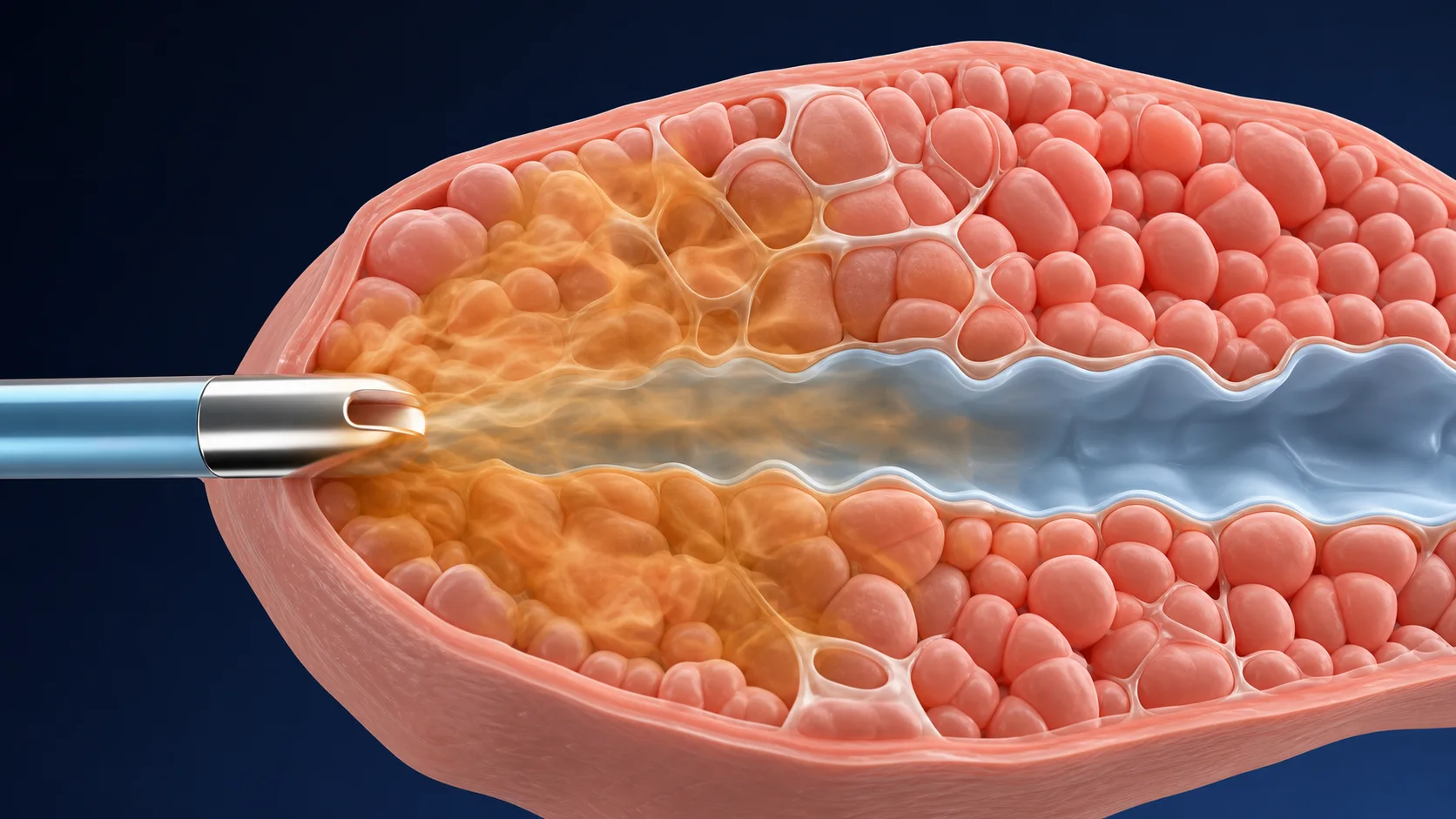
When water vapor returns to water within the tissue, heat energy is released, and the cells in that area are damaged. Afterward, through the body’s natural recovery process, the affected tissue is absorbed and its volume decreases, which alleviates urethral compression.
The point to note is that swelling may actually occur immediately after the procedure. Symptoms such as frequent urination, urgency, painful urination, and weakened urine stream may appear temporarily, so it is necessary to plan not only the procedure time but also the duration of catheter use, the timing of return to daily activities, and the subsequent follow-up appointments.
Even if the symptoms are similar, the causes can be different

Having a weak urine stream and frequent nighttime urination does not necessarily mean that one is a candidate for prostate enlargement treatment. Conditions such as overactive bladder, decreased bladder contractility, urethral stricture, urinary tract infections, neurological disorders, sleep apnea, or nocturnal polyuria can also produce similar outward symptoms.
Therefore, in the consultation, we start with the International Prostate Symptom Score (IPSS) and a quality of life assessment, followed by a urinalysis and, if necessary, a PSA blood test, uroflowmetry and post-void residual measurement, ultrasound to assess prostate size and presence of median lobe enlargement, bladder condition, presence of complications such as urinary retention, recurrent infections, bladder stones, or renal function impairment, as well as medications such as anticoagulants and overall health related to anesthesia. A large prostate does not necessarily mean severe symptoms, and even a small prostate can cause significant discomfort depending on urethral or bladder function. This is why we determine the treatment direction by considering both the test results and the patient’s treatment goals together.
Context to Consider When Choosing Rezūm

Did you try medication first? If symptoms are mild and the risk of complications is low, the starting point is lifestyle adjustments and observation. If discomfort continues, medications that act on the prostate and bladder are tried, and if they are insufficient or cause dizziness or changes in sexual function making them difficult to take, consultation for procedures or surgery typically follows.
Think about what you prioritize. Those who value the objective improvement in urine flow the most may make different choices from those who want to minimize invasiveness and preserve sexual function as much as possible. Compare them, including recovery time, the burden of a catheter, and the possibility of long-term retreatment.
Suitability cannot be determined by size alone. Guidelines and approval scopes vary by country and time, and although studies on large prostates have been published, the final decision is made by medical professionals who consider volume, median lobe, urethral length, and bladder condition together.
Think realistically about the duration of catheterization. After the procedure, urine may not flow well due to swelling, and depending on the condition of the prostate and urinary function, a catheter may be needed for a certain period. If you have plans to return to work or go on a business trip, it is advisable to consult in advance.
Talk about the possibility of retreatment from the start. Even after Rezūm, it may be necessary to use medication again or undergo additional procedures or surgery. The 2026 European Association of Urology (EAU) guidelines point out that the mid-term retreatment rate, including resuming medication as well as surgical retreatment, can be higher. Asking during the initial consultation under what circumstances the next steps will be decided is a way to avoid being caught off guard later.
How is it different from other treatments?
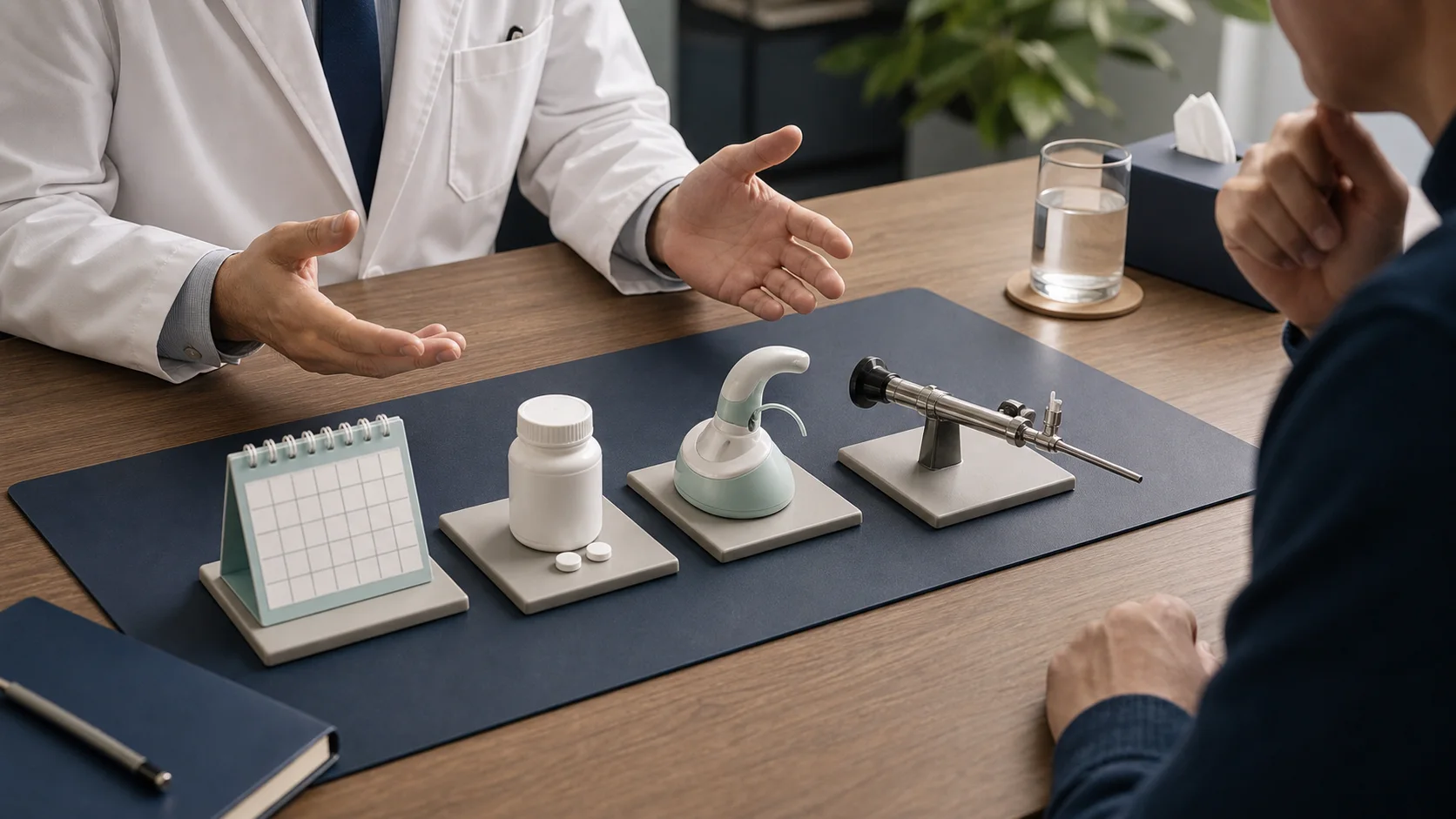
Treatment for benign prostatic hyperplasia is not simply listed in order of invasiveness. Understanding in which situations each treatment is considered and what is being traded off is the starting point for making a choice.
| Treatment Category | Situations Generally Considered | Points to Consider Together |
|---|---|---|
| Lifestyle habits·Progress observation | When symptoms are mild and risk of complications is low | Regular evaluation, whether symptoms worsen |
| Medication treatment | When uncomfortable lower urinary tract symptoms persist | Dizziness, blood pressure, sexual function changes, continuous use |
| Rezūm Steam Therapy | When considering minimally invasive treatment and preservation of sexual function | Initial irritation symptoms, urinary catheter, time for effects to appear, possibility of retreatment |
| Transurethral resection of the prostate (TURP) · Laser surgery, etc. | When the degree of obstruction improvement is important or there are complications | Characteristics of each surgery such as anesthesia, bleeding, recovery, and changes in ejaculation function |
The EAU guidelines introduce research results regarding symptom improvement and preservation of sexual function after steam therapy, while also mentioning that in studies comparing it with transurethral resection of the prostate, improvements in objective urinary flow and residual urine were sometimes smaller. This does not mean that one is absolutely better than the other, but that the benefits a patient hopes for and the burdens they must bear differ.
Recovery after the procedure, how does it actually proceed?

From immediately after the procedure, symptoms such as pain during urination, frequent urination, urgency, hematuria or hematospermia, and pelvic discomfort may occur. Urinary tract infection, urinary retention, urethral stricture, urinary incontinence, decreased ejaculate volume or ejaculatory disorders, and changes in erectile function are also included among the reported adverse reactions. The likelihood of occurrence varies depending on the individual’s health condition and the extent of the procedure.
If any of the following symptoms occur, you should immediately contact the institution where the procedure was performed or seek emergency medical care.
- No urine comes out at all after catheter removal
- There is a high fever or chills, or the pain becomes severe
- Persistent bright red hematuria or blood clots
- Severe lower abdominal bloating, dizziness, and general weakness appear
The amount of water intake and the timing of resuming exercise, drinking, and sexual activity vary depending on individual conditions and post-procedure progress, so follow the instructions of your attending medical staff rather than general schedules circulating online.
Questions to Consider Before Counseling

If you are about to have a consultation for Gangnam Rezūm treatment, organizing the questions below in advance can help you use the consultation time more effectively.
- Is the main cause of my symptoms a prostate obstruction?
- What is the condition of the prostate size and shape for reviewing Rezūm?
- How do the expected benefits and limitations of medication, Rezūm, and other endoscopic surgeries compare?
- How long might a catheter be needed?
- Which side effects are common, and which symptoms are warning signs for emergency situations?
- With which test and when is the effect evaluated?
- If symptoms remain or recur, what is the next option?
Even if you started with the search term ‘Gangnam Rezūm procedure,’ it doesn’t necessarily mean that the conclusion must be Rezūm. The proper order is to compare treatment goals and risks after an accurate diagnosis, ask any questions you have thoroughly, and then make a decision.
Referenced Medical Information

- European Association of Urology (EAU) 2026 Male Lower Urinary Tract Symptoms Guidelines
- Boston Scientific Rezūm Patient Safety Information
This article is intended to provide general health information and does not replace diagnosis or treatment. The suitability of treatment and recovery plans should be determined individually through urology consultations.