In consultations for Rezūm in Gangnam, many people are more curious about the question, ‘How should I live from the next day?’ than the procedure time. Rezūm is a minimally invasive treatment that does not cut the skin, but it is a treatment that delivers steam thermal energy to the prostate tissue. Therefore, the final effect does not appear immediately after the procedure, and it takes time for the treated tissue to gradually shrink through initial swelling and recovery.
This article focuses on the post-procedure recovery process rather than repeatedly discussing the principles of Rezūm or determining candidates. However, the schedule below is a guide to understand the average flow. The actual plan may vary depending on the use of a catheter, the size and shape of the prostate, bladder function, medications, and accompanying medical conditions.
The first few days are a period to manage swelling rather than ‘effects’

Prostate tissue treated with steam therapy may swell initially. This can cause a weaker urine stream, frequent urge to urinate, sudden difficulty holding in urine, painful urination, and a small amount of blood in the urine. Experiencing temporary discomfort compared to before the procedure does not immediately mean treatment failure. Conversely, expecting “no discomfort at all because it’s minimally invasive” is also unrealistic.
Some patients may need a catheter for a certain period to reduce urinary retention caused by swelling. The timing of removal is not determined by the date alone but takes into account the procedure range, pre-procedure residual urine and urinary function, and whether the patient can urinate independently after removal. Do not pull or clamp the catheter arbitrarily, and make sure the urine bag is positioned lower than the bladder and the tube is not kinked. If urine flow stops or the lower abdomen feels tight, contact the medical facility where the procedure was performed.
Drinking a lot of water unconditionally is not the correct answer. For those with heart or kidney disease or nocturia, the appropriate intake amount may differ. Do not arbitrarily stop or add prescribed medications, and always check with your healthcare provider about the timing of resuming anticoagulants or antiplatelet medications.
Recovery is not linear, but a gradually changing process
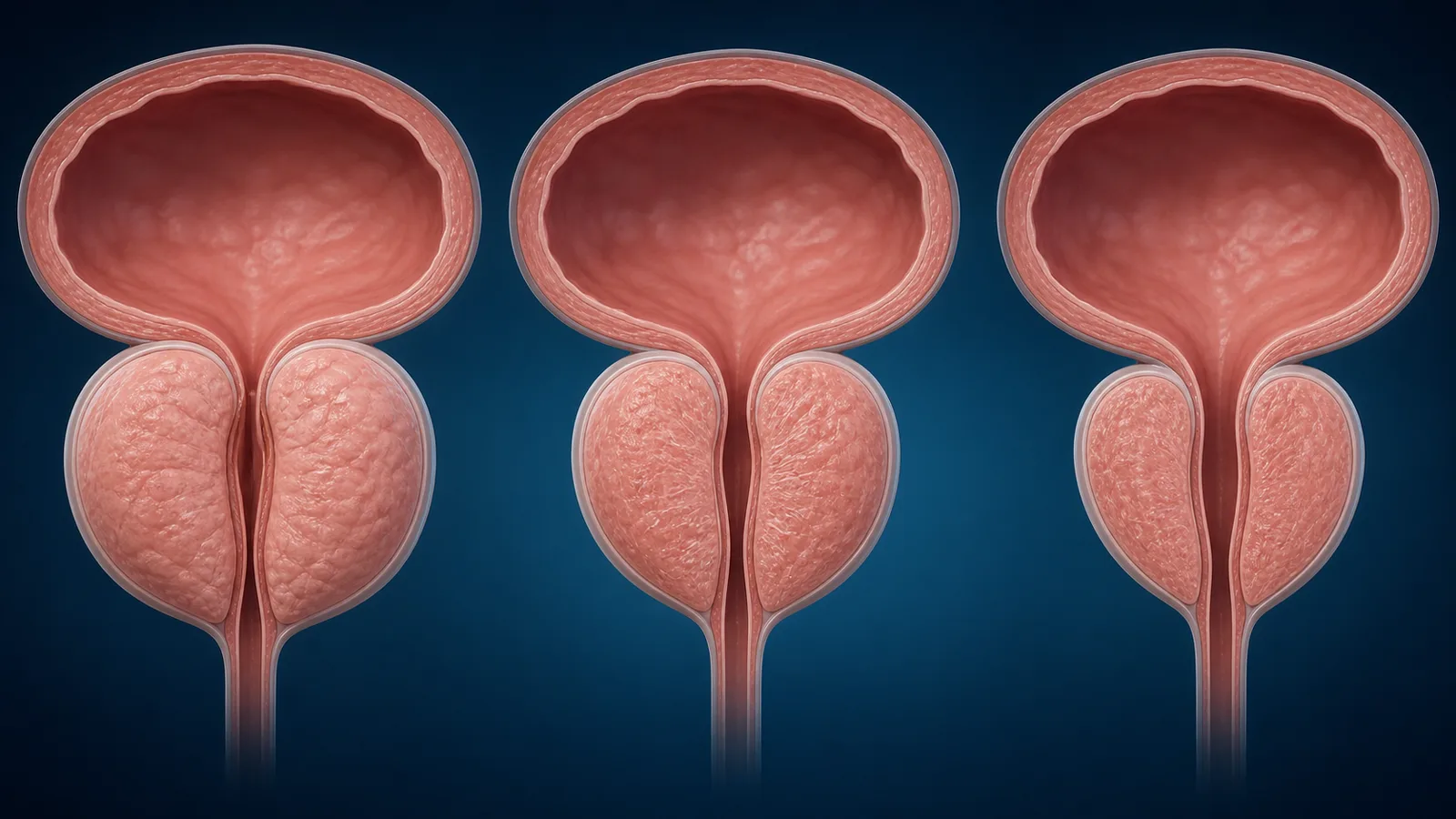
Rezūm works differently from surgery that immediately cuts out tissue. The targeted tissue is damaged by the heat energy released when steam turns into water, and as the body gradually absorbs this tissue, the pressure on the urethra is relieved. Therefore, symptoms and objective indicators are evaluated over weeks and months rather than comparing urine flow day by day.

During recovery, good days and uncomfortable days may be mixed. Frequency and urgency of urination can also vary depending on activity level, fluid and caffeine intake, constipation, and sleep conditions. Briefly recording the following items can help in follow-up visits.
- Frequency of urination during the day and night, number of times waking up at night
- Changes in urine stream and sensation of residual urine
- The time and severity when painful urination and hematuria appeared
- Medications taken and the uncomfortable side effects
- A situation where one could not hold urine or where urine did not come out
When looking into a Gangnam Rezūm procedure, you may come across information that only emphasizes a quick return to daily life, but there are significant individual differences in the speed of recovery and the timing of final results. It is advisable to ask how the effectiveness will be checked before the procedure and when urinary flow and residual urine will be measured again.
Returning to work, exercise, drinking, and sexual activity is based on your condition

It is difficult to decide a single date to return to work. Remote work, short office tasks, and driving, business trips, or field work put different levels of strain on the body. You need to consider whether you have to go to work while maintaining a catheter, whether you can use the restroom frequently, and whether there are long-distance driving or flight schedules in your plan.
Activities are generally increased gradually, starting with light walking. Lifting heavy objects, running, high-intensity strength exercises, and cycling that puts prolonged pressure on the pelvis can worsen hematuria and discomfort, so it is safer to resume them only after being cleared by a medical professional. If pain or hematuria increases again, reduce the intensity of activities and seek consultation.
Alcohol can increase urine output and bladder irritation, and it can cloud the assessment of your recovery. Some people also find that caffeine and carbonated drinks worsen frequent urination or urgency. Sexual activity should only be resumed after checking whether bleeding and pain have subsided, and considering the extent of the procedure and personal condition. You may experience blood in the semen or discomfort during ejaculation, and if it persists or causes concern, do not hide it—inform your doctor during your visit.
The following symptoms should be checked without waiting

Even if some initial discomfort is expected, it is not safe to monitor all symptoms at home. In the following situations, you should contact the facility where the procedure was performed immediately or seek emergency medical care.
- After removal of the urinary catheter, no urine comes out at all, or severe lower abdominal bloating occurs.
- High fever and chills, worsening pelvic pain, or general weakness may occur
- There is an increase in bright red blood in the urine or large blood clots recur
- Urine does not flow because the catheter is blocked, or it continues to leak around the catheter
- Symptoms affecting the whole body that are different from usual, such as dizziness and shortness of breath, occur
If it is unclear whether it is an emergency, contact someone to get an assessment rather than endure it. In particular, those taking anticoagulants or with a history of recurrent urinary retention or urinary tract infections should check in advance how to contact someone at night or on holidays before the procedure.
Follow-up care is also part of the treatment plan
The results of Rezūm are not evaluated solely based on the fact that the procedure was performed. Subjective symptom changes, quality of life, urine flow, post-void residual, and medication use should all be considered together. If the improvement is insufficient or symptoms become uncomfortable again over time, medication adjustment, additional tests, or consideration of other procedures or surgeries may be necessary.
The 2026 European Urological Association guidelines explain that steam therapy can be considered in terms of symptom improvement and preservation of sexual function, while noting that objective improvements in urine flow and residual urine may be smaller than with transurethral resection of the prostate, and that mid-term retreatment counseling is important. Ultimately, the key to choosing Gangnam Rezūm is not just looking at the short procedure time, but understanding the initial recovery, follow-up observation, and the next treatment if necessary.
Before the consultation, in addition to asking ‘When can I return to work?’, ask ‘How long might I need a catheter given my condition?’, ‘Which symptoms are considered emergency signs?’, and ‘When and with what tests is the effectiveness evaluated?’. The more details you can get about the recovery plan after the Gangnam Rezūm procedure, the more it helps reduce unexpected anxiety after the treatment.
Referenced Medical Information
- European Association of Urology (EAU) 2026 Male Lower Urinary Tract Symptoms Guidelines
- Boston Scientific Rezūm Patient Guide and Safety Information
This text is intended to provide general health information and does not replace diagnosis or treatment. Follow the individual instructions of the medical staff in charge of the procedure regarding recovery schedule, medication, and activity adjustments.