
When urination feels sharp or burning, it is easy to first think, ‘Is it cystitis?’ However, dysuria is not a disease name but a sign that there is inflammation or irritation somewhere along the urinary tract. The causes are varied, including not only cystitis but also urethritis, prostatitis, urinary stones, and external skin irritation, so choosing antibiotics based solely on symptoms is not appropriate.
Before visiting Gangnam Urology, record whether the pain is more severe at the beginning or end of urination, and whether you have frequent urination, urgent urination, blood in the urine, discharge, or fever. Combining this information with a urine test can help clarify the scope of tests needed.
Painful urination is not just a problem of the bladder
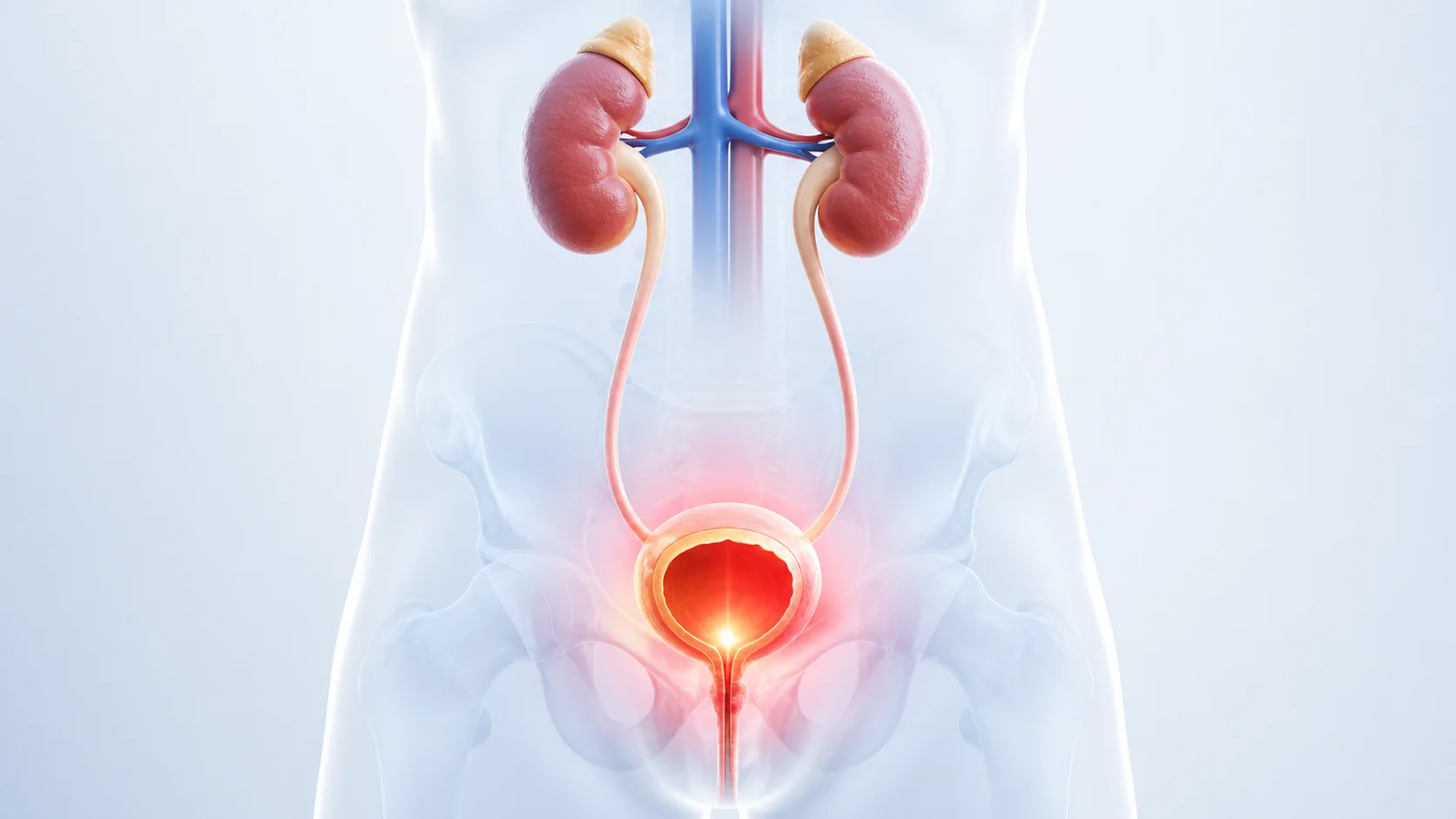
If you frequently urinate, suddenly find it hard to hold it, and feel discomfort in the lower abdomen, you may suspect cystitis. If there is pain at the entrance of the urethra along with discharge, urethritis is possible. In men, if there is discomfort in the perineum, difficulty urinating, and fever, prostate-related inflammation should be considered. Severe pain extending from the side of the waist to the groin or hematuria can be clues of stones.
Just because symptoms appear after sexual intercourse, it does not mean it is necessarily a sexually transmitted infection, nor is it always just a simple bladder infection. You should honestly inform healthcare providers about new sexual contacts, condom use, and any secretions or skin lesions so they can determine the need for tests such as nucleic acid amplification tests. Testing and treatment should be conducted in an environment that respects personal privacy.
Sometimes, newly used products such as soap, cleansers, or lubricants can irritate the external area, or concentrated urine due to lack of moisture can feel stinging. However, if the symptoms persist, you should not assume the cause on your own and need to distinguish between infections and other conditions.
The first examination begins with an interview and a urine test

In a medical consultation, the onset of symptoms, location of pain, frequency of urination, fever and chills, flank pain, past infections and kidney stones, recent procedures, and medications are checked. For women, it is advisable to discuss the possibility of pregnancy and vaginal discharge, and for men, changes in the urine stream and perineal pain should be discussed.
A general urinalysis checks for clues such as white blood cells, nitrites, and blood. If an infection is suspected, recurrent, or not responding well to treatment, a urine culture can be used to identify the causative bacteria and antibiotic susceptibility. If possible, the culture should be collected before starting antibiotics to help interpret the results.
Not all urinary pain requires an ultrasound or CT scan. Imaging tests can be added if there is suspicion of stones, urinary obstruction, recurrent infections, residual urine, kidney involvement, or atypical progression. In a consultation at Gangnam Urology, it is more useful to ask ‘what possibility this test is meant to check for’ rather than the name of the test itself.
Antibiotics should be tailored to the cause and risk level

If you have pain during urination and take leftover antibiotics from your family or previously prescribed medicine, the causative bacteria may not be properly identified, and the symptoms may only be temporarily masked. The type and duration of antibiotics depend on the site of infection, gender, pregnancy status, kidney function, allergies, and patterns of resistance in the area. If you have been prescribed antibiotics, do not stop them arbitrarily or extend the duration; follow the instructions provided.
Rather than trying to “wash out” the infection by drinking an excessive amount of water at once, it is more realistic to drink it in portions so as not to become dehydrated. If caffeine and alcohol worsen bladder irritation, reduce them until symptoms subside, and try to take a break from using strongly scented cleansers. The choice of painkillers may vary depending on other illnesses and medications, so consultation is necessary.
If symptoms persist or recur soon after treatment, you should be re-evaluated rather than simply repeating the same medication. Causes that were not apparent initially, such as culture results, medication adherence, stones or urinary disorders, and the possibility of sexually transmitted infections, should be re-examined.
Before visiting the clinic, organize your symptoms and medications

Please note when the pain started, the number of times you urinate during the day and at night, changes in urine color and odor, and whether you have fever, chills, or flank pain. A list of recently taken antibiotics, painkillers, and health supplements will also be helpful. If you have previous urine test or stone examination results, please prepare them as well.
If a urine test is expected, it may be more comfortable not to completely empty your bladder right before your visit. However, there is no need to force yourself to hold it for a long time or drink excessive amounts of water. If a sexually transmitted infection test is planned, the collection method may differ, so please get guidance when making your appointment first.
If you have fever, flank pain, or urinary retention, do not wait

If you have high fever and chills along with painful urination, pain in one side of the lower back, and repeated vomiting, you should consider the possibility that the infection has reached the kidneys. If you are urinating very little or not at all, or if your lower abdomen is extremely swollen, or if you experience severe weakness or changes in consciousness, do not wait for your appointment.
It is safer for people who are pregnant, undergoing immunosuppressive treatment, using urinary devices, or have kidney disease to consult early, even if their symptoms seem mild. Painful urination is common, but identifying the cause before treatment can reduce discomfort and lower the chances of missing a serious condition.
Referenced Medical Information
- European Association of Urology (EAU) 2026 Urological Infections Guidelines
- EAU Patient Guide for Cystitis Treatment
- UK NHS Adult Urinary Tract Infection Guide
This text is intended to provide general health information and does not replace diagnosis or treatment. Tests and treatments are individually determined by medical professionals based on symptoms, risk factors, and test results.