
Hello from Seoul Newgen Urology Clinic. When painful, frequent urination leads to a request for a culture, you may wonder how it differs from a routine urine test. Assessment in men considers symptoms, possible bacteria, and medicines together. Here is what to know about collection and reviewing results.

The photograph of Dr. Ji Hyun Park is an actual photograph owned by the clinic. The cover and inline scenes are AI-generated for educational purposes; consultation and testing scenes do not show actual patients or clinical records. Equipment and props do not represent specific test results or the clinic’s facilities.
The Two Tests Answer Different Questions
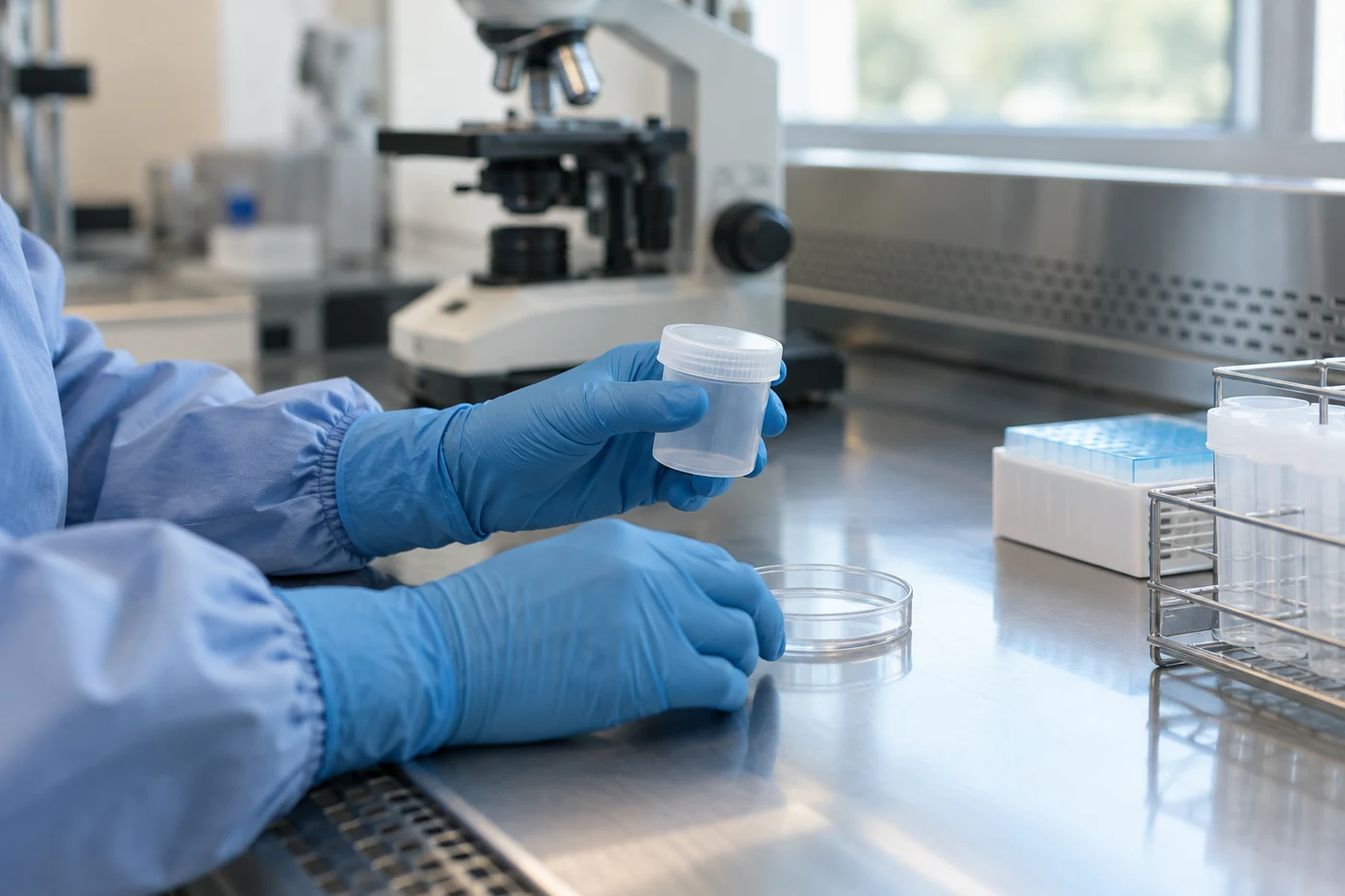
Urinalysis looks for clues such as white blood cells and blood. Culture checks which bacteria grow; when appropriate, antibiotic susceptibility results help guide treatment. Even if collected from the same sample, the tests provide different information.
Cloudiness or a strong smell does not identify a bacterium. Clinical guidance recommends culture when a urinary infection is suspected in men, while previous infections and recent antibiotic use are also considered.
Collect Before Antibiotics When Possible, Without Delaying Care
Antibiotics can affect culture results, so a sample is ideally collected before treatment starts. If you have already taken them, give the drug name and time of the last dose. Do not stop or skip a prescribed medicine yourself for the test.
Fever, chills, severe pain, or deterioration in your general condition should not be left waiting for sample collection. Clinicians may begin treatment before results are available according to symptoms and risk. The order of collection and treatment depends on your condition.
Follow the Facility’s Midstream Collection Instructions
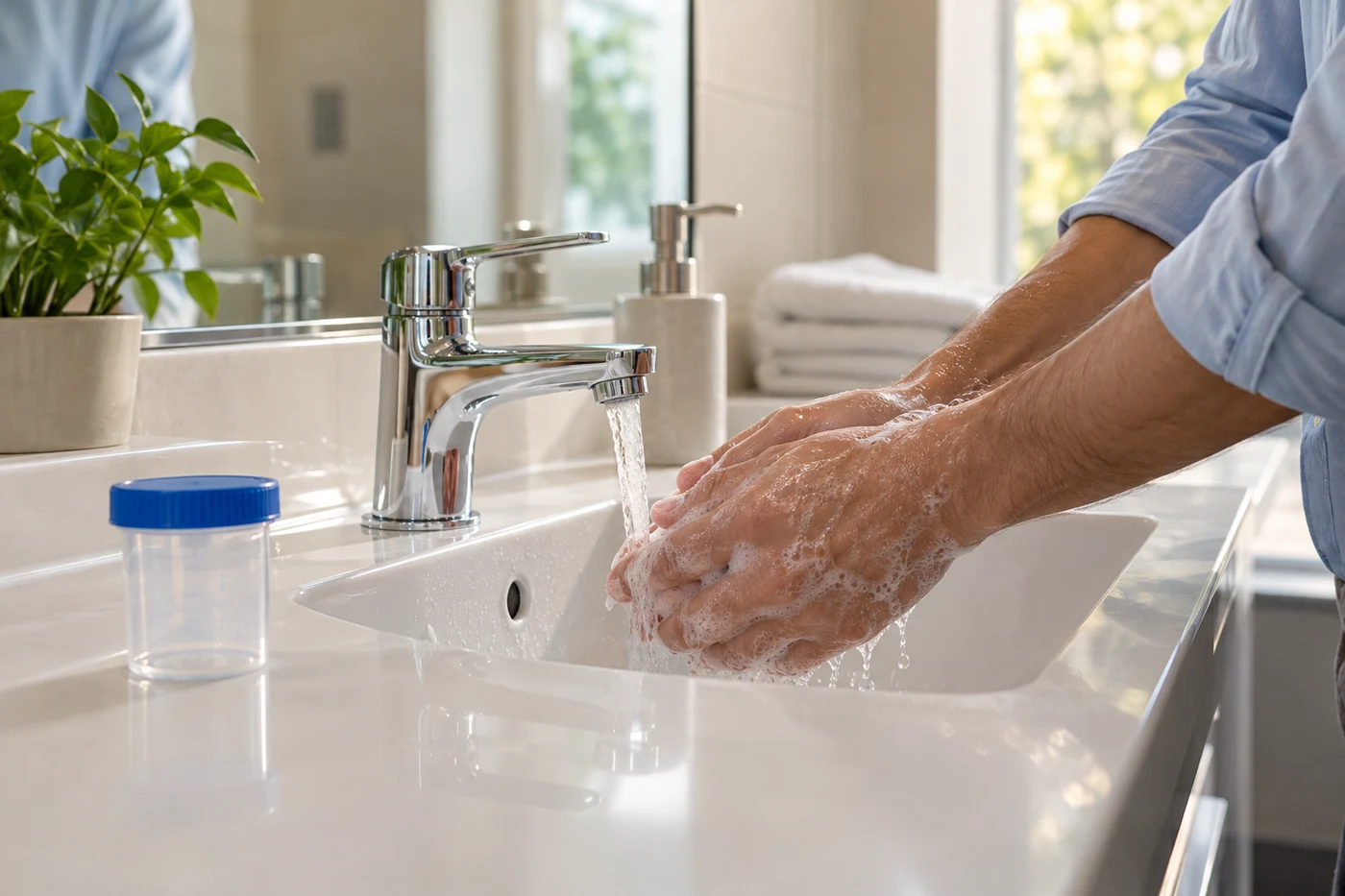
For routine bacterial culture, you may be asked to let the first urine pass and collect the middle part in a sterile cup. Wash your hands and avoid touching the inside of the container or lid. Follow the facility’s specific hygiene and collection instructions.
Ask how quickly to submit the sample and how to store it if delivery is delayed. STI tests may require a different collection method, so do not assume all urine tests use the same approach. A household bottle is not a substitute for the supplied container.
Read the Result With Symptoms and Collection Conditions
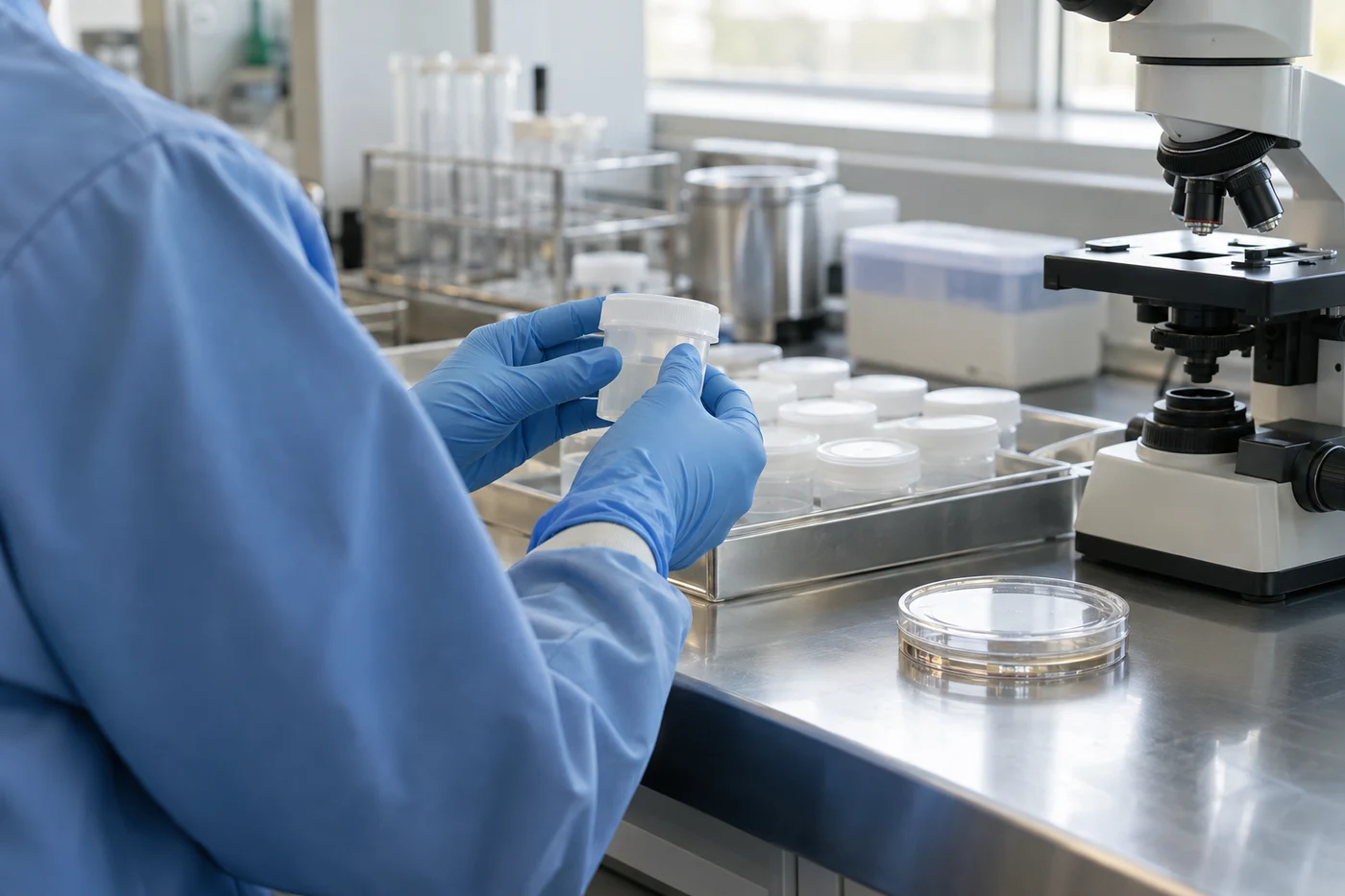
Culture usually takes a few days, depending on the laboratory and circumstances. Bacterial growth does not mean antibiotics are required in every situation. Symptoms, possible contamination, bacterial type, and quantity all matter.
Likewise, persistent pain with no growth calls for review of recent antibiotics and other possible causes. Your clinician may continue or change treatment after reviewing results and progress. Agree on how and when results will be communicated; do not add medicines or extend treatment yourself.
Recurrent Infection and New Fever Need Review

Symptoms that persist or quickly return after treatment need reassessment rather than repeated use of the same antibiotic. Depending on possible voiding problems or stones, residual urine measurement or imaging may be considered. Not everyone needs the same tests.
Seek immediate care for fever, chills, flank pain, vomiting, or inability to urinate rather than waiting for the results call. Bring symptom dates, previous cultures, and medicines, and ask how treatment response and follow-up will be reviewed.
Related reading: Causes and assessment of painful urination