“I go often” means different things to different people. It is hard to remember whether you pass a little each time or a larger amount, and whether the problem occurs during the day or at night. A bladder diary helps you discuss those differences in the consultation room.
If you are preparing for a urology visit near Samseong Station, consider bringing three days of records reflecting normal life. A diary does not replace a diagnosis, and it is not homework to be graded. It turns explanations based on memory into more concrete information.
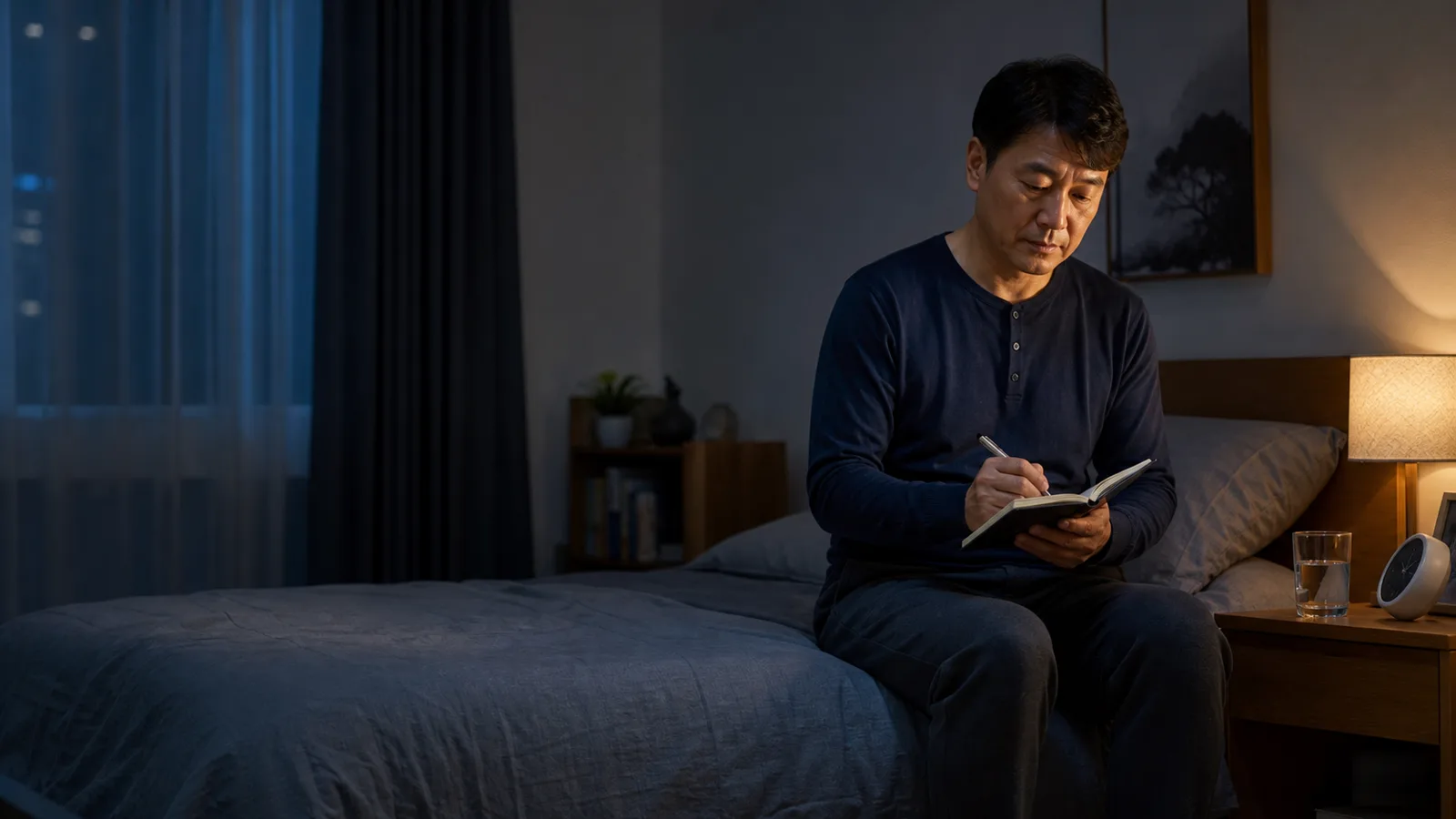
The cover and inline images are AI-generated to aid understanding. Consultation scenes do not show actual patients or real clinical records. Props and educational models are illustrative and do not represent a specific device or test result.
Record Time, Volume, Urgency, and Drinks Together

A bladder diary does more than count trips to the toilet. When possible, record how much you pass each time, whether the urge was sudden, whether urine leaked, and what and how much you drank. Your clinician reviews this information alongside your history and test results. NIDDK guide to diagnosing bladder control problems
You can use a phone note or paper. Columns like these make recording easier.
| Time | Drink type and amount | Urine volume | Urgency or leakage | Circumstances |
|---|---|---|---|---|
| Actual time | Water, coffee, etc., and measured amount | Measured mL or not measured | Absent or present, with a description | During a meeting, before bed, etc. |
This is a blank template showing what to record, not a standard for normal results. Do not drink extra water or force yourself to hold urine just for the diary. Even when precise numbers are unavailable, you can record symptoms and circumstances.
Write “Not Measured” When You Cannot Measure the Volume

If you have been asked to record volume, use a dedicated graduated container and follow the team’s instructions on measurement and hygiene. Keep it separate from containers used for food. The water and jug in the image are props explaining the record; they are not an actual urine specimen.
Measuring volume may be difficult at the office or while out. Write “not measured” instead of converting an impression into a number. A record that distinguishes what you actually measured is more honest than one that looks precise because gaps were filled from memory later.
Volume records can help distinguish frequent small voids from frequent trips because total urine production is high. However, the diary’s numbers alone cannot establish overactive bladder or an enlarged prostate. European Association of Urology guideline on assessing male urinary symptoms
At Night, Record Sleep Times and Why You Woke

Alongside the time of a nighttime toilet visit, record when you went to bed and got up in the morning. Distinguishing before sleep from after waking makes the explanation clearer. Where possible, note whether the need to urinate woke you or you went after waking for another reason.
Nighttime urination can relate to sleep and general health as well as urinary problems. Snoring, leg swelling, evening drinks, and medications are topics to discuss. Avoid assuming it is simply age or trying to solve it by drinking almost no water. NIDDK guide to bladder symptoms and causes
You do not need to reduce your sleep to keep the record. If nighttime measurement is difficult, note the time and write “not measured” for the amount. Maintaining your usual sleep and routine matters more than creating extra discomfort to complete a diary.
Record Days When You Drink and Work as Usual

Stopping coffee or sharply reducing water only on recording days makes usual symptoms harder to explain. Unless your clinician has instructed otherwise, maintain your routine and note drink types and times. Briefly add situations such as meetings, travel, or exercise that made toilet access difficult.
At least three days of records are recommended when assessing male urinary symptoms. Representing normal life matters more than whether all dates are consecutive; the specific recording period depends on the consultation’s purpose. If weekdays and days off differ substantially, mark which are workdays. This helps avoid treating an unusual day as an average day. European Association of Urology guidance on bladder diaries
Do not conclude on your own that coffee is the cause after looking at the diary. A diary can show a timing association, but it is not a test that proves causation. Whether to adjust drinks or perform further tests is decided in light of symptoms and health.
Separate What a Diary Shows From What Tests Need to Establish

The consultation reviews when you urinate, the volume each time, and when urgency and leakage occur. A diary cannot determine whether there is infection, how much urine actually remains after voiding, or the cause of blood in urine. Urinalysis or measurement of residual urine may be used as needed. NIDDK guide to diagnosis
Write down questions rather than deciding on the answer in advance. Examples include “Does the urgent feeling happen even with small amounts?”, “Do we need to look further into why nights are different?”, and “What tests do I need besides the diary?”
If frequent urination comes with a feeling of incomplete emptying, our guide to incomplete emptying and a weak urinary stream may also help. The sensation of not emptying fully and measured residual urine may differ, so describe the feeling as it is and distinguish it from test findings.
Some Symptoms Need Care Before the Diary Is Complete

You do not have to wait until three days of recording are finished for every symptom. An inability to urinate or severe lower abdominal pain needs immediate care. Fever, chills, or severe flank pain also warrant prompt assessment. NIDDK guide to urinary retention symptoms
For stable symptoms and a scheduled consultation, bring your medication list, previous results, and notes on the most troublesome situations alongside the diary. Be open about any times you could not record. Notes containing personal urinary information are better given directly to your clinician than posted on a public forum.
Seoul Newgen Urology Clinic is near Exit 4 of Samseong Station. A record that explains recurring difficulties in daily life is more helpful preparation than a perfect table. Discuss whether the diary suggests a need for further tests or changes to your routine.