Hello from Seoul Newgen Urology Clinic. Finding a few drops on your clothes after finishing at the toilet can make you wonder whether you emptied properly. Post-micturition dribble needs to be distinguished from substantial urine remaining in the bladder. Here is what to note before a consultation in Samseong-dong.

The photograph of Dr. Ji Hyun Park is an actual photograph owned by the clinic. The cover and inline scenes are AI-generated for educational purposes; consultation and testing scenes do not show actual patients or clinical records. Equipment and props do not represent specific test results or the clinic’s facilities.
First Distinguish When the Leakage Happens
Post-micturition dribble is a small leak after urination has finished, often when moving or adjusting clothing. Its timing differs from prolonged dribbling at the end of the stream or leakage before reaching the toilet with a sudden urge.
Note how often it occurs, how much clothing is affected, and when it started. Repeated inconvenience is worth discussing even if the amount is small. Describe what actually happens rather than understating it because it feels embarrassing.
Urine Left in the Urethra Is Different From Bladder Residual Urine
One explanation is a small amount of urine remaining in the urethra and emerging later. This is not the same as the bladder failing to empty adequately. The sensation of incomplete emptying is also subjective and should be distinguished from a measured residual volume.
Report a weak stream, delayed start, straining, or frequency. Urinalysis or a post-void residual measurement may be selected when appropriate. Dribbling alone is not a reason to conclude that prostate medication or surgery is needed.
Allow Time and Learn Gentle Management
After passing urine normally, pause briefly before adjusting your clothes. UK hospital information also describes gently moving urine remaining in the urethra forward with the fingers. Ask your clinician to explain hand placement and pressure.
This does not mean pressing hard or repeatedly squeezing. Discuss pain or recent surgery first. Avoid forcefully straining your abdomen or staying at the toilet for a long time to try to remove every drop.
Pelvic Floor Training Includes Relaxation
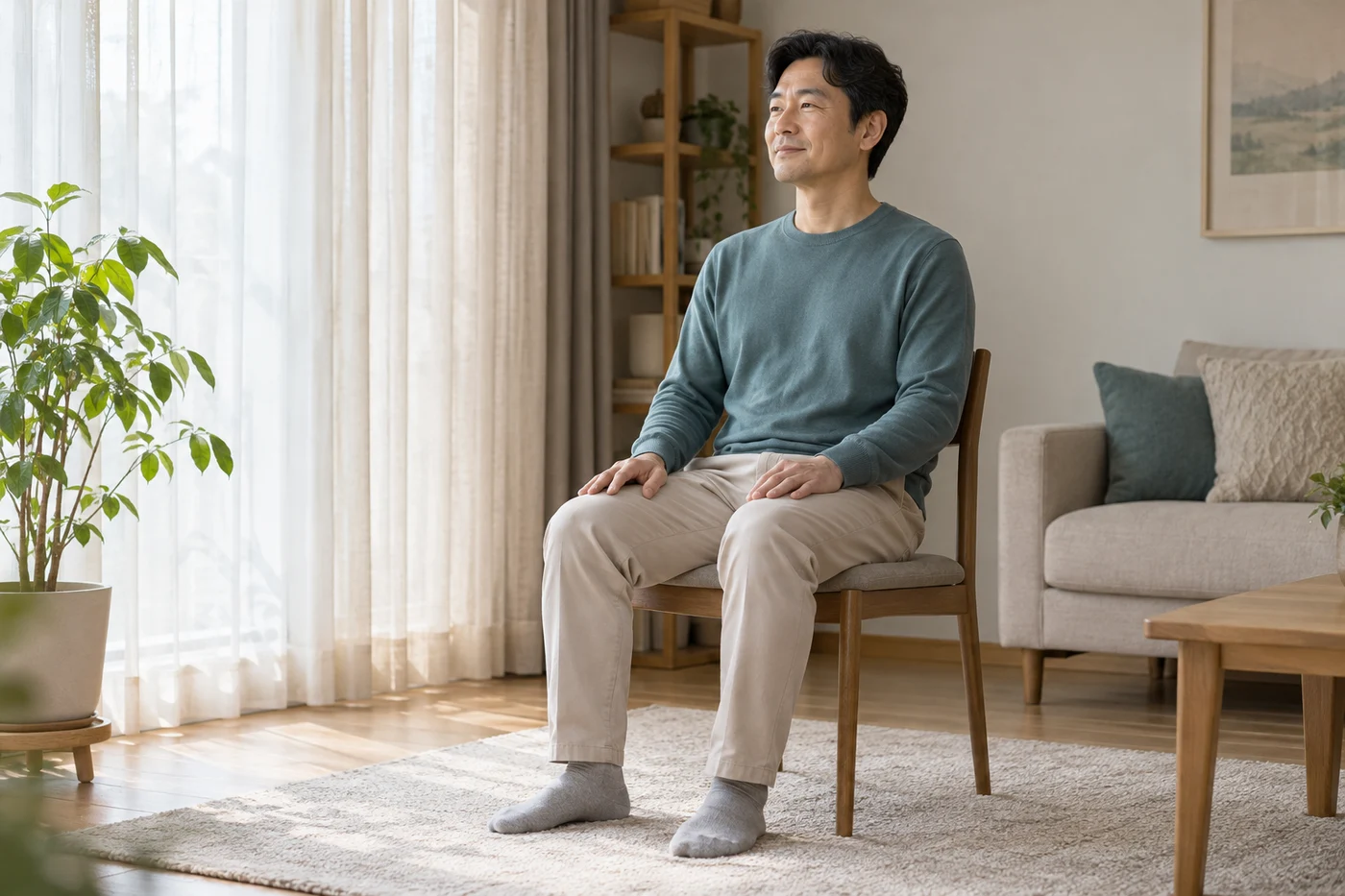
Pelvic floor exercises may help, but not every urinary symptom is caused by weak muscles. Mention pelvic pain or previous surgery and check whether training is suitable for you.
Do not practice by repeatedly stopping urine while voiding. Learn how to contract the appropriate muscles and relax them fully during normal daily life. Follow the taught plan and watch for discomfort rather than simply increasing repetitions.
Do Not Delay Assessment of New Pain or Blood
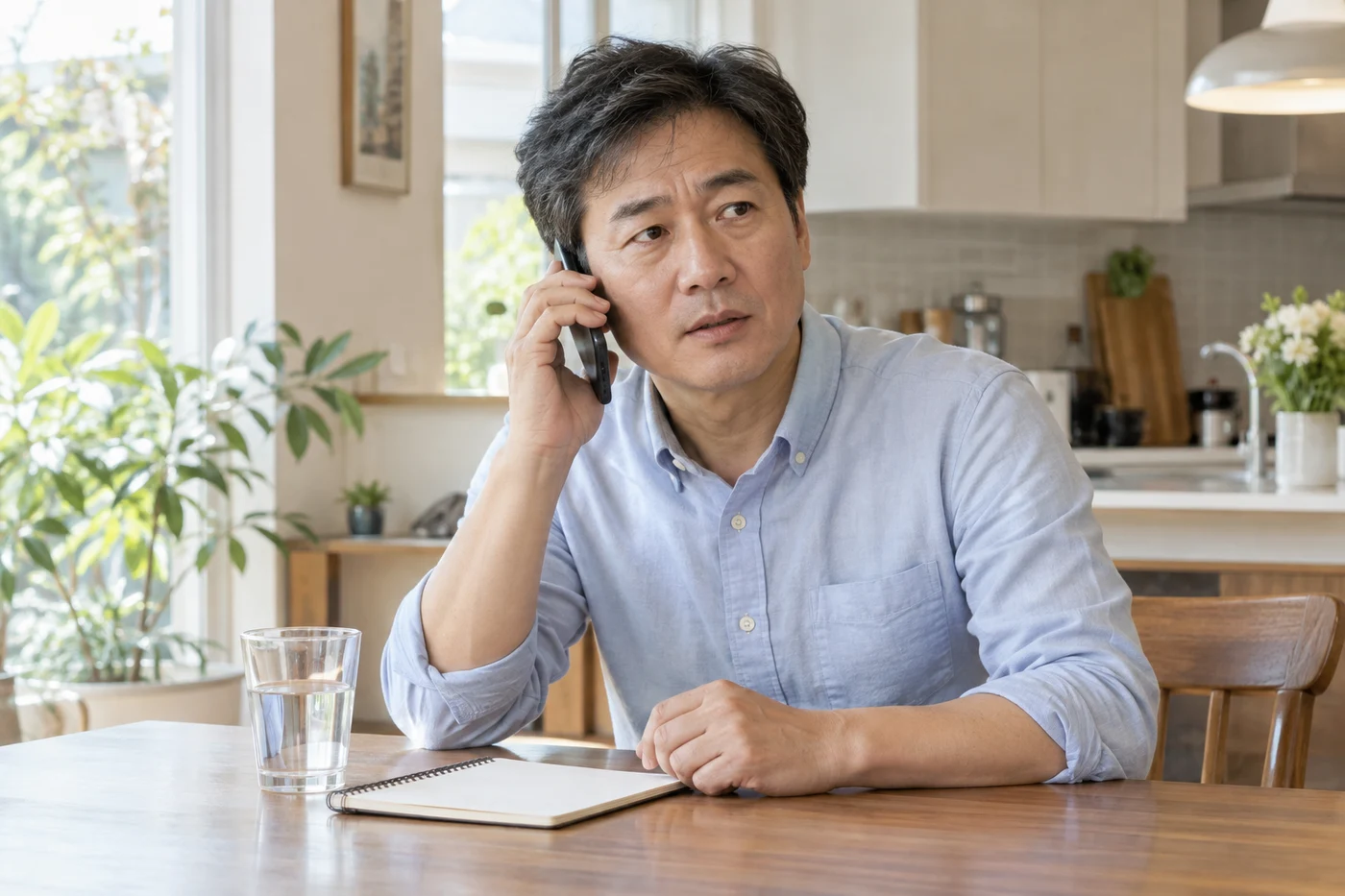
Painful urination, visible blood, or a newly weaker stream alongside dribbling needs assessment for other causes. Seek immediate care if you cannot pass urine and have lower abdominal pain, or if fever or chills occur.
Bring the timing and frequency of leakage, associated symptoms, medicines, and surgical history. Ask which findings fit after-dribble, which need further tests, and when to review any management measures you try.
Related reading: Tests for incomplete-emptying sensations and a weak stream