
Hello from Seoul Newgen Urology Clinic. Sudden pain in one testicle may leave you searching for an explanation such as exercise or inflammation. Sudden severe pain, however, needs emergency assessment ahead of a routine appointment. Here is what to report rather than trying to diagnose the cause yourself.

The photograph of Dr. Ji Hyun Park is an actual photograph owned by the clinic. The cover and inline scenes are AI-generated for educational purposes; consultation and testing scenes do not show actual patients or clinical records. Equipment and props do not represent specific test results or the clinic’s facilities.
Severe Pain With Nausea or Vomiting Needs Immediate Assessment
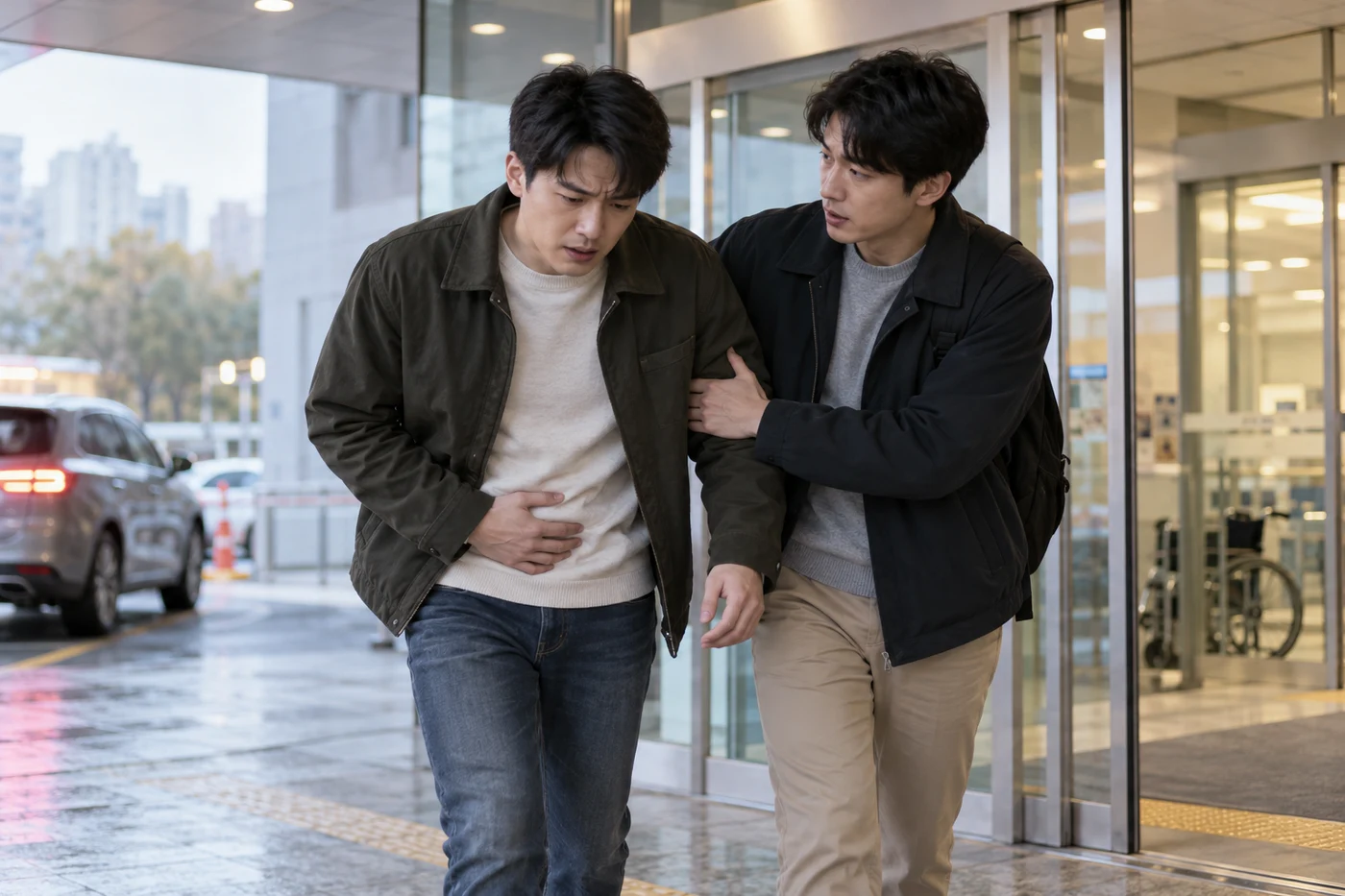
Sudden severe pain in one testicle, pain with nausea, vomiting or abdominal pain, and pain that does not settle at rest need immediate medical assessment. Do not wait until regular clinic hours because it is night or a weekend.
Testicular torsion can disrupt blood flow and requires prompt treatment. Do not assume it happens only at a certain age or calculate a number of hours that is safe to wait. Arrange help with transport rather than driving in pain; in Korea, call 119 if you need emergency assistance.
Severity or Location Alone Cannot Identify Inflammation

Epididymitis, injury, and an inguinal hernia can also cause testicular or scrotal pain. Epididymitis may involve pain, swelling, urinary discomfort, or discharge, but symptoms overlap and cannot reliably be distinguished at home.
Lifting or pressing the testicle is not a way to confirm the cause yourself. Describe the sudden onset even if pain briefly decreases. Do not try to untwist the area or massage it forcefully.
Ultrasound Is Interpreted Alongside the Examination
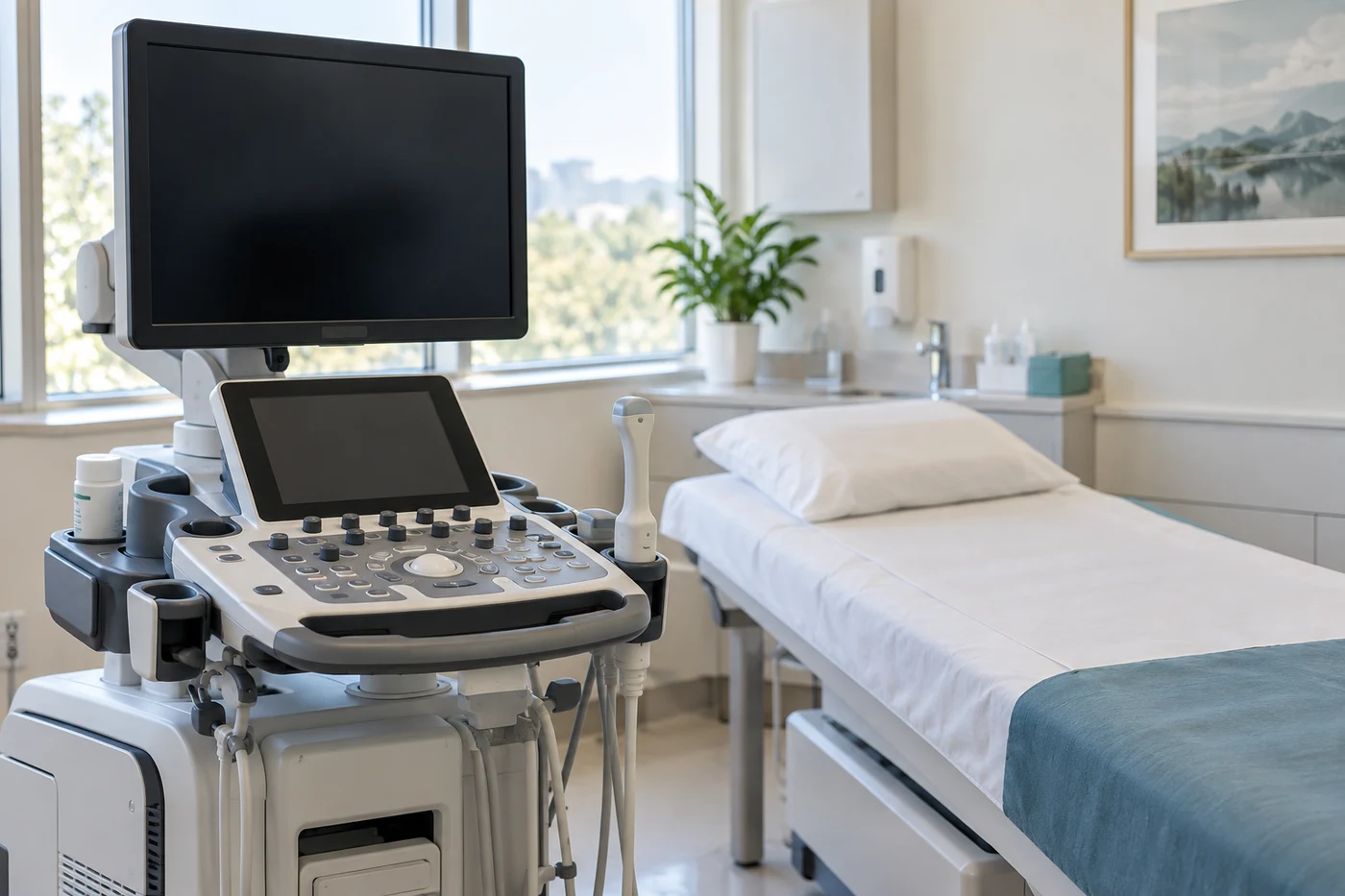
The clinician asks about onset, changes, and any injury and performs an examination. Ultrasound to assess blood flow may be selected when needed. Suspected torsion should not be left waiting for a routine outpatient scan.
If infection is suspected, urinalysis, culture, and appropriate STI tests may be considered. A line on an ultrasound report should not be read in isolation from examination and other findings. The team sets the sequence according to urgency.
A Lump or Size Change Also Needs Review

Arrange assessment for a new lump, swelling, a change in size or shape, or persistent heaviness even when pain is mild. Not every lump is cancer, but online descriptions cannot identify what you can feel.
Neither absence of pain nor pain itself determines the diagnosis. Briefly note what has changed, but never postpone assessment of severe acute pain to finish making a record.
Share the Onset Time and Medication List
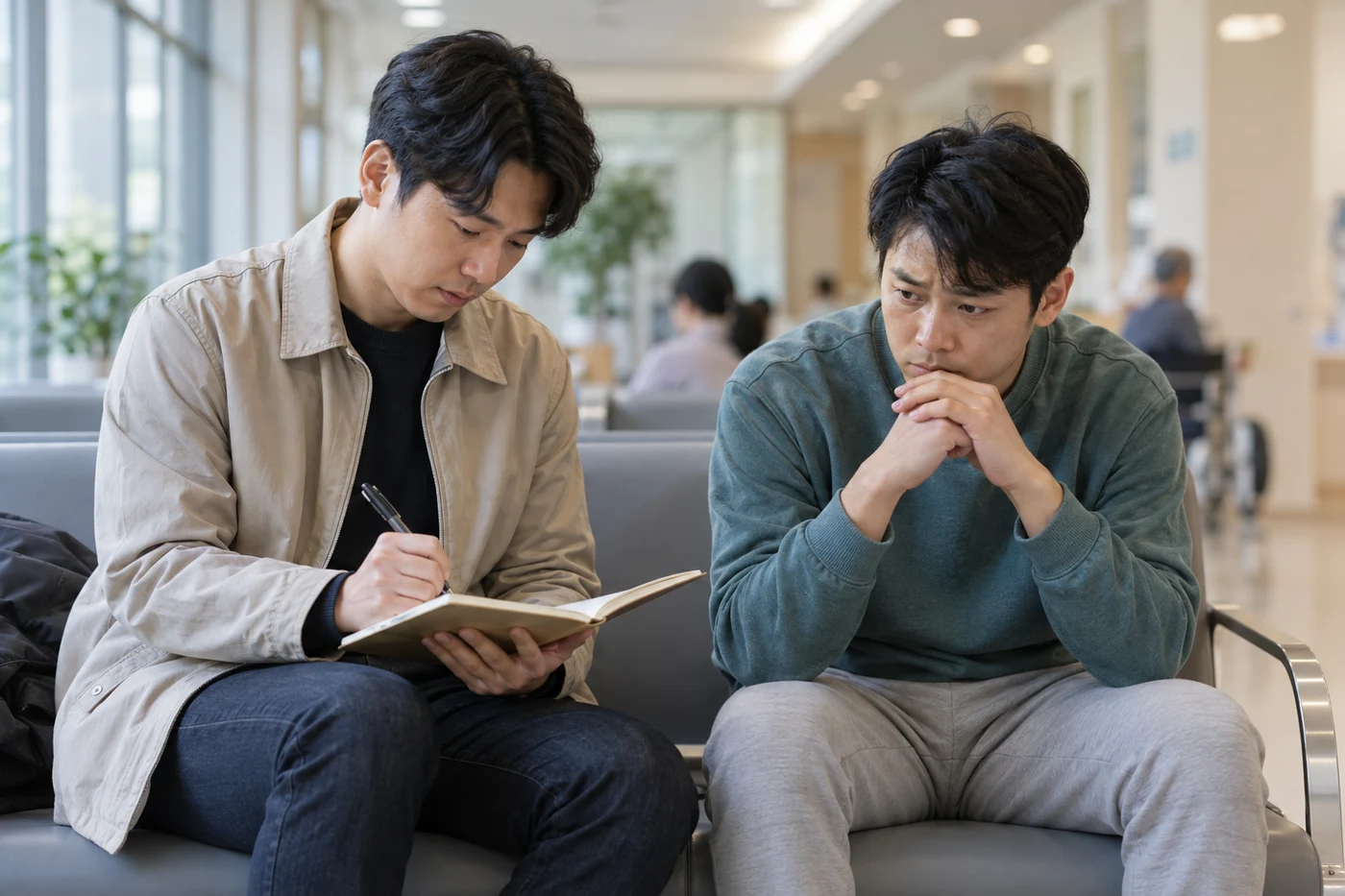
Explain when and on which side pain began, whether onset was sudden, and whether fever, painful urination, or discharge is present. Recent activity, injury, surgery, sexual contact, and medicines can guide assessment. You do not need to guess missing details.
After a cause is identified, follow treatment and review instructions. Report worsening pain or fever even during infection treatment, and have persistent swelling or a lump reassessed afterward. Taking extra existing medication is not a substitute for checking new symptoms.
Related reading: Urological symptoms that need prompt assessment