
When there are unusual signals in urine or pain, it can be difficult to decide whether to make an appointment and watch for a few days or to seek medical attention immediately. For those working near Samseong Station, even taking the time to go to a hospital can be burdensome, making it easy to postpone a visit. In this article, we refer to patient guides from the European Association of Urology (EAU) and the American Urological Association (AUA) to look at the symptoms that can be monitored for a few days, the emergency signs that are dangerous if delayed, and what information is helpful to organize before visiting the hospital.
If you have these symptoms, schedule an appointment today: guidelines and preparations before your visit

The urgency varies depending on the symptoms. If the frequency of urination has slightly increased or the feeling of incomplete emptying persists for a few days, it is not a big problem to monitor for a few days while adjusting fluid intake and caffeine/alcohol consumption before making an outpatient appointment. On the other hand, if the following signs appear, it is recommended not to wait for the appointment date, but to receive same-day medical care or visit an emergency medical facility.
- Gross hematuria (red or cola-colored urine)
- No urine comes out at all, and the lower abdomen is tight and painful
- Fever around 38°C with chills, accompanied by pain in one side of the flank or painful urination
- Sudden and severe pain and swelling in one testicle
- Pain in the side and lower abdomen that is not controlled by painkillers, accompanied by repeated vomiting
Before your visit, briefly note the time your symptoms started, how often they occur, and any accompanying symptoms (fever, vomiting, changes in urine color). If the symptoms are related to urination, recording the amount and timing of water, coffee, and alcohol you drink, the number of times you wake up at night, and changes in urine volume for 2–3 days will make the consultation much shorter and more accurate. It is also helpful to bring photos of the names of any prescription drugs, over-the-counter medications, and health supplements you are taking.
Hematuria: Even if the color disappears, the cause needs to be identified

The presence of a reddish tint in the urine that is visible to the eye is called gross hematuria. In particular, it is a principle not to delay the investigation of painless gross hematuria. According to the AUA guidelines on hematuria, if hematuria is detected in adults and the cause is not clear, examinations to look at the bladder, ureters, and kidneys along with a urine test are recommended. Microscopic hematuria (hematuria seen only under a microscope) may also require additional evaluation depending on the cause.
The causes of hematuria are very diverse, ranging from common conditions such as urinary stones, urinary tract infections, and prostate-related diseases, to conditions where early detection significantly affects prognosis, such as tumors originating in the bladder or kidneys. Just because the urine clears up in a day or two does not mean the cause has disappeared, and even if a single test result is normal, follow-up observation is necessary if the symptoms recur.
For women, if the test coincides with their menstrual period, interpreting the results may be difficult, so it is advisable to adjust the timing of the appointment or inform the doctor in advance. Even if you are taking anticoagulants or antiplatelet drugs (such as aspirin), it is safer not to assume that the medication is the sole cause and to conduct tests for other causes as well.
Acute urinary retention with no urine output at all
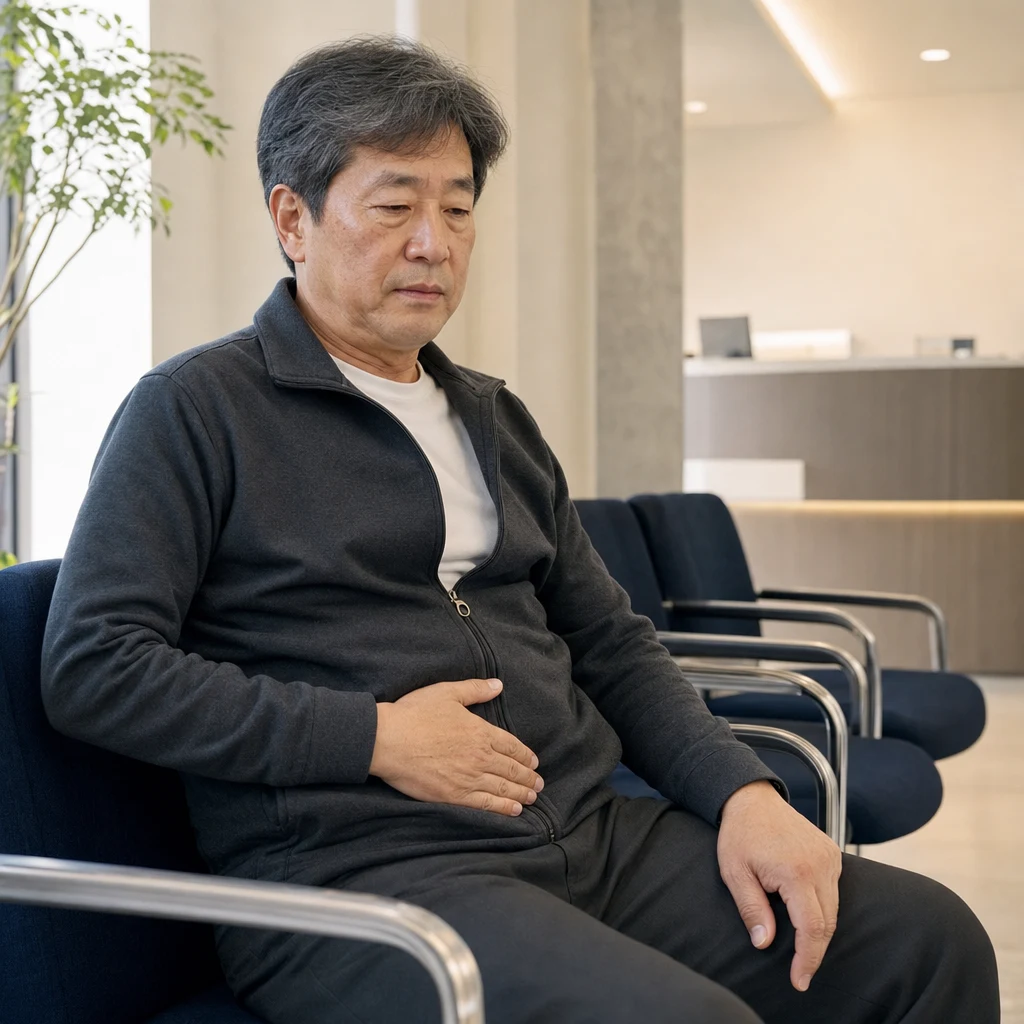
A state in which no urine is produced within a few hours, causing the lower abdomen to become distended and painful, is called acute urinary retention. The EAU patient guide describes this as an emergency situation that requires immediate assistance with urination. If left untreated, the bladder muscles may stretch and recovery can be delayed, and the pressure can be transmitted upwards, potentially putting stress on the kidneys.
The causes are diverse, including benign prostatic hyperplasia, urethral stricture, neurological abnormalities, urethral or ureteral obstruction due to stones, as well as recently taken cold medicine, antihistamines, and drugs with anticholinergic effects. The cause is narrowed down through urinalysis, ultrasound, and blood tests, but in emergency situations, restoring urinary function is the top priority.
Even if only a small amount of urine comes out, if there is a severe feeling of residual urine and persistent lower abdominal pain, it is better not to delay medical consultation as it could be a partial obstruction. If it is nighttime or the weekend, it is often necessary to visit an emergency medical center.
One-sided flank pain accompanied by fever and chills

If severe pain extends from one side of the flank to the back, accompanied by a fever around 38°C, chills, nausea, and painful urination, an upper urinary tract infection (pyelonephritis) or infection-related obstruction due to stones should be suspected first. According to the EAU guidelines, when these symptoms are present, early antibiotic treatment and imaging studies are indicated.
In particular, if an infection occurs while a stone is blocking the ureter, symptoms can worsen rapidly, so emergency treatment to relieve the urinary obstruction may be necessary. For pregnant women, those with only one kidney or reduced kidney function, and people with diabetes or weakened immunity, it is safer to seek medical attention more quickly even if they have the same symptoms.
You should not be relieved just because the pain temporarily subsided after taking one or two painkillers. If a fever returns or chills recur, it should be taken as a sign that the infection is already progressing. You should also pay attention to clues such as the urine becoming cloudy or the smell changing noticeably.
Sudden Pain in One Testicle: A Few Hours Can Make a Difference
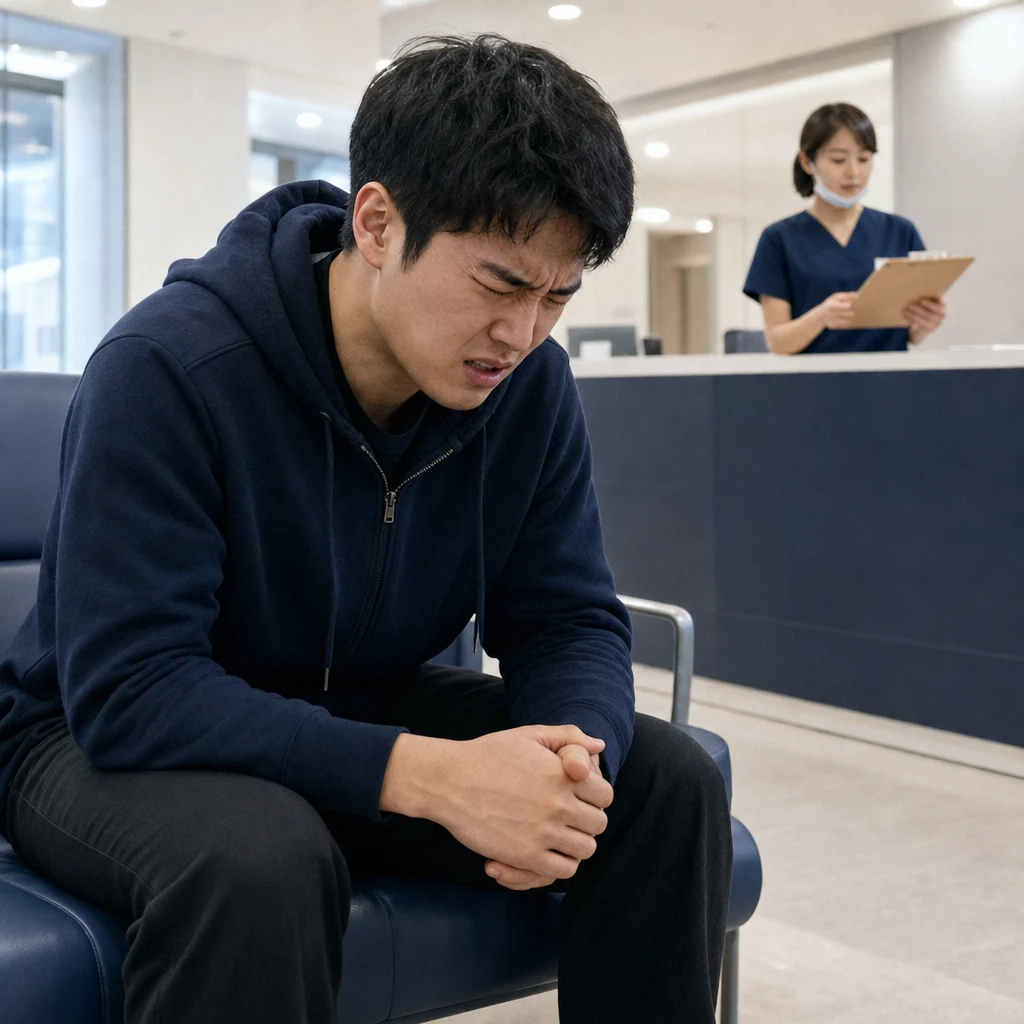
If one testicle suddenly becomes severely painful and swollen, and its position appears different than usual when touched, or if vomiting occurs, testicular torsion should be suspected first. The AUA patient guide describes testicular torsion as a time-sensitive emergency condition and emphasizes that restoring blood flow as quickly as possible after the onset of symptoms is key to saving the testicle.
Epididymitis, inguinal hernia, and post-traumatic pain are also conditions that need to be differentiated, but if the pain is sudden and severe to the point of making it difficult to stand, the principle is to minimize the time spent observing with painkillers or cold compresses and to go to a medical facility immediately. It is relatively common in adolescence and early twenties, but it can occur at any age.
Rather than spending time searching for a urology clinic that is open at night or on weekends, it is often safer to visit the emergency room to be quickly evaluated with an ultrasound or other examinations. Even if the pain temporarily subsides and then returns, you should not assume it has recovered naturally and must identify the cause.
Referenced Medical Information

- European Association of Urology (EAU) Patient Information Portal
- European Association of Urology (EAU) Clinical Guidelines
- American Urological Association Urology Care Foundation: Patient Resources
- American Urological Association (AUA) Clinical Guidelines
This article is intended to provide general health information and does not replace diagnosis or treatment. If you suspect emergency signs, seek evaluation from medical professionals without delay.