Urolithiasis is a condition in which substances like calcium and uric acid in the urine form crystals that clump together and develop in the kidneys or ureters. When the stones remain in the kidney, there may be no noticeable symptoms, but if they move into the narrow ureter and block the urinary tract, sudden and severe flank pain can occur.
In the summer, the amount of water lost through sweat increases, making urine more likely to become concentrated. Even in a well-air-conditioned office at Samseong Station, if you get caught up in meetings and work and miss the time to drink water, or repeatedly drink only coffee instead of water, you may not take in enough fluids. The important thing is not to force yourself to drink a lot of water at once, but to steadily replenish throughout the day according to your activity level and sweat loss.
If you have sudden flank pain

Pain from ureteral stones usually starts on one side of the flank and spreads to the lower abdomen or groin. The pain can become so severe that it is hard to find a comfortable position and may temporarily subside. The following symptoms may also appear together.
- Hematuria visible to the eye or microscopic hematuria found only in urine tests
- Nausea and vomiting
- A frequent urge to urinate or discomfort when urinating
- Pain that moves to the lower abdomen or groin
The size of the stone or the likelihood of it passing cannot be accurately determined solely based on the location and intensity of the pain. Through necessary tests such as urinalysis, ultrasound, plain radiography, or low-dose CT, the location and size of the stone and the degree to which the urinary tract is blocked are checked.
If fever accompanies, do not wait
If an infection occurs while the urinary tract is blocked due to a stone, emergency treatment may be necessary. If you have a fever around 38°C, chills, severe vomiting, difficulty urinating, or pain that cannot be relieved with painkillers, you should seek medical attention promptly instead of waiting for natural passage. It is also safer to get an early assessment if you have only one kidney, are pregnant, or have poor kidney function.
How do you treat absences?
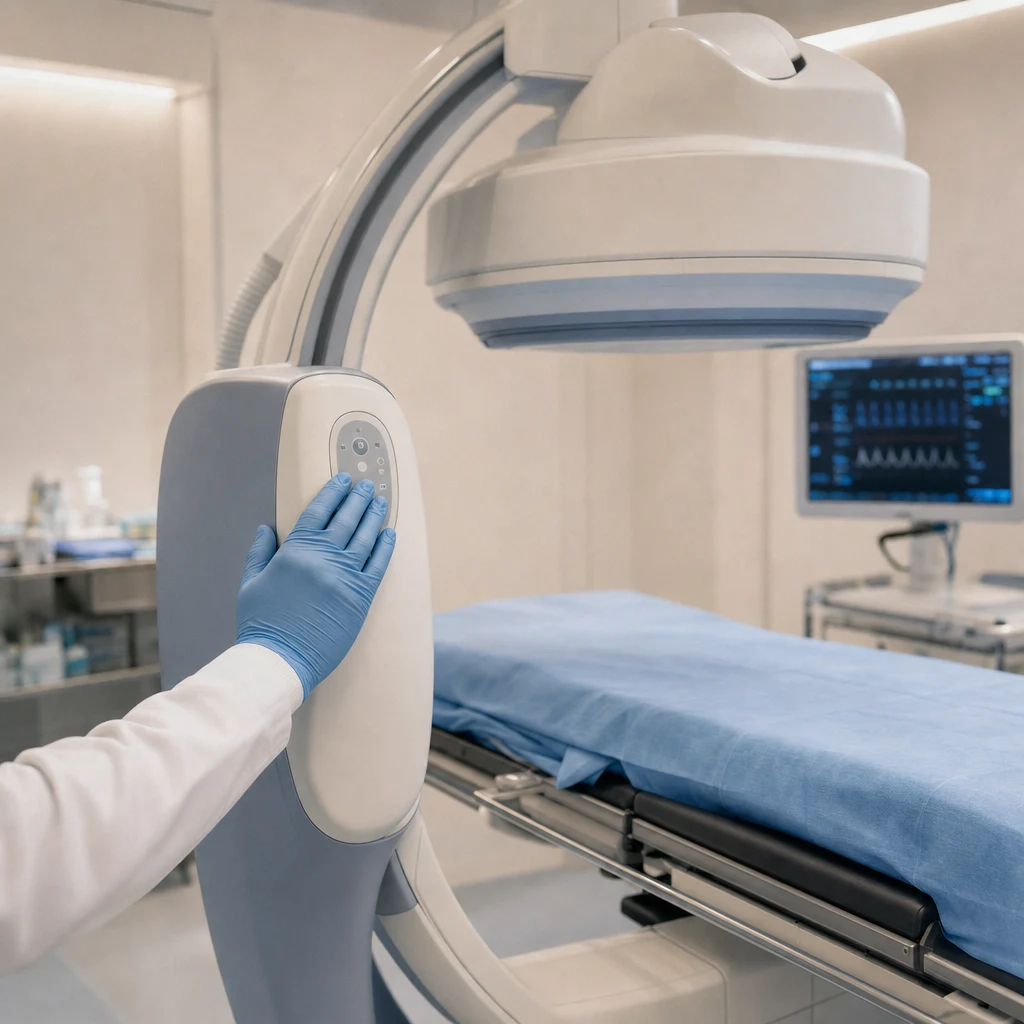
The same treatment is not applied to all kidney stones. The treatment approach is determined by considering the size and location of the stone, the degree of pain, the presence of infection, and kidney function.
- Observation and medication — If it is small and has a low risk of complications, you can control pain while waiting for natural expulsion.
- Extracorporeal Shock Wave Lithotripsy (ESWL) — A method that delivers shock waves from outside the body to break up stones into small pieces, helping them to be expelled through urine. Its suitability varies depending on the location and hardness of the stones and the patient’s condition.
- Endoscopic treatment — If natural expulsion is difficult or obstruction persists, stones can be removed using a ureteroscope or other instruments.
You should not assume that all stones have been passed just because the pain has disappeared. Stones may not move or may temporarily reduce pain while still affecting kidney function, so it is important to confirm whether the stones have been passed through imaging tests when recommended by medical professionals.
How much and how should we drink water?

If there are no special fluid restrictions, it is practical to drink water in intervals so that the color of your urine remains a light yellow. Setting specific times, such as right after going to work, between meals, or before and after meetings, makes it easier not to forget. On days when you sweat a lot due to outdoor activities or exercise, you need to replenish more than usual.
However, people who have been advised to limit fluid intake due to heart disease or kidney disease should not arbitrarily increase their water intake and should consult their healthcare provider. Additionally, drinking an excessive amount of water in a short period of time is also not recommended.
Dietary Principles to Reduce Recurrence

The prevention of urinary stones varies depending on their composition. If the stone has been analyzed for its composition or a 24-hour urine test has been done, it is most accurate to adjust the diet based on those results. The common principles to consider are as follows.
- Reduce salt intake — Salty foods can increase the calcium excreted in urine. Check the frequency of consuming soups, processed meats, delivery foods, and sauces.
- Do not completely stop calcium — Excessively restricting calcium from foods such as dairy due to calcium stones can increase oxalate absorption in the intestines, which may actually raise the risk of some stones. Taking supplements should be discussed with a healthcare professional, but it is generally recommended to maintain appropriate calcium intake through food.
- Avoid excessive intake of animal protein — Eating habits that include too much meat and organ meats can affect the risk of certain uric acid and calcium stones.
- Adjust oxalate intake according to the type of stone — It is not necessary for everyone to uniformly stop eating foods high in oxalate, such as spinach and nuts. If there is a confirmed risk of calcium oxalate stones, the entire diet is evaluated together.
- Maintaining a healthy weight — Sustainable eating and regular activity are more helpful than rapid weight loss.
If it recurs, check one more step
Kidney stones can occur again even after being treated once. In cases of recurrent stones, stones in both kidneys, stones that start at a young age, or a family history of stones, tests such as stone composition analysis, blood tests, and 24-hour urine tests can be considered. Based on the test results, we examine which factors, such as calcium, uric acid, and citrate in the urine, influence stone formation apart from insufficient water intake, and establish individual preventive measures.
If you are an office worker at Samseong Station, rather than approaching treatment only when pain occurs, start with small habits such as checking your urine color and the intervals of water intake. If you have already experienced kidney stones, bringing previous test results and a list of medications when you visit the doctor can also help in planning your treatment.
This article is intended to provide general health information and does not replace diagnosis or treatment.