
Rezūm procedure injects steam instead of cutting the prostate. In medical terms, it is called ‘transurethral steam therapy.’ A specialized instrument is inserted through the urethra to directly spray steam into the enlarged prostate tissue.
What people searching for ‘Rezūm procedure’ usually want to know is not whether to undergo the procedure, but what is actually done. How the anesthesia is administered, how long it takes, how many days a catheter is needed, and when improvements begin. This article follows that order of curiosity, starting from the preliminary examination and ending with the recovery timeline.
Things to Check Before the Procedure

Examination comes first, and whether to perform the procedure comes next. There is a reason why this order should not be reversed. Rezūm is a procedure that addresses the situation where the prostate enlarges and presses on the urethra, not a solution for every instance of urinary discomfort.
There are basically three items to check.
- Urine flow test. Observe the strength of the urine stream and the amount of residual urine.
- Prostate ultrasound or MRI. Examine the size and shape of the prostate.
- Blood test (PSA). Determines whether it is prostate cancer.
This test fee is an item billed separately from the procedure cost, so it is better to know it in advance.
The key points that these tests aim to confirm are ultimately twofold. First, whether the size of the prostate falls within the range suitable for Rezūm treatment. The FDA approval and the scope of most studies cover a prostate volume of 30–80cc. While there are cases of use in larger prostates exceeding 80cc, the level of evidence is not as solid as for the standard indications. Second, whether there are any conditions that necessitate avoiding or postponing this procedure. Suspicion of prostate cancer, active urinary tract infection, and anatomical issues that make transurethral access difficult, such as urethral stricture, fall into this category.
One condition is particularly important. The cause of difficulty in urination may not be a blockage in the prostate but rather a weakening of the bladder muscles, which is called detrusor underactivity. In this case, it can be identified in advance through urodynamic testing. This is because a procedure to widen the blockage cannot restore weakened muscles.
How is anesthesia done
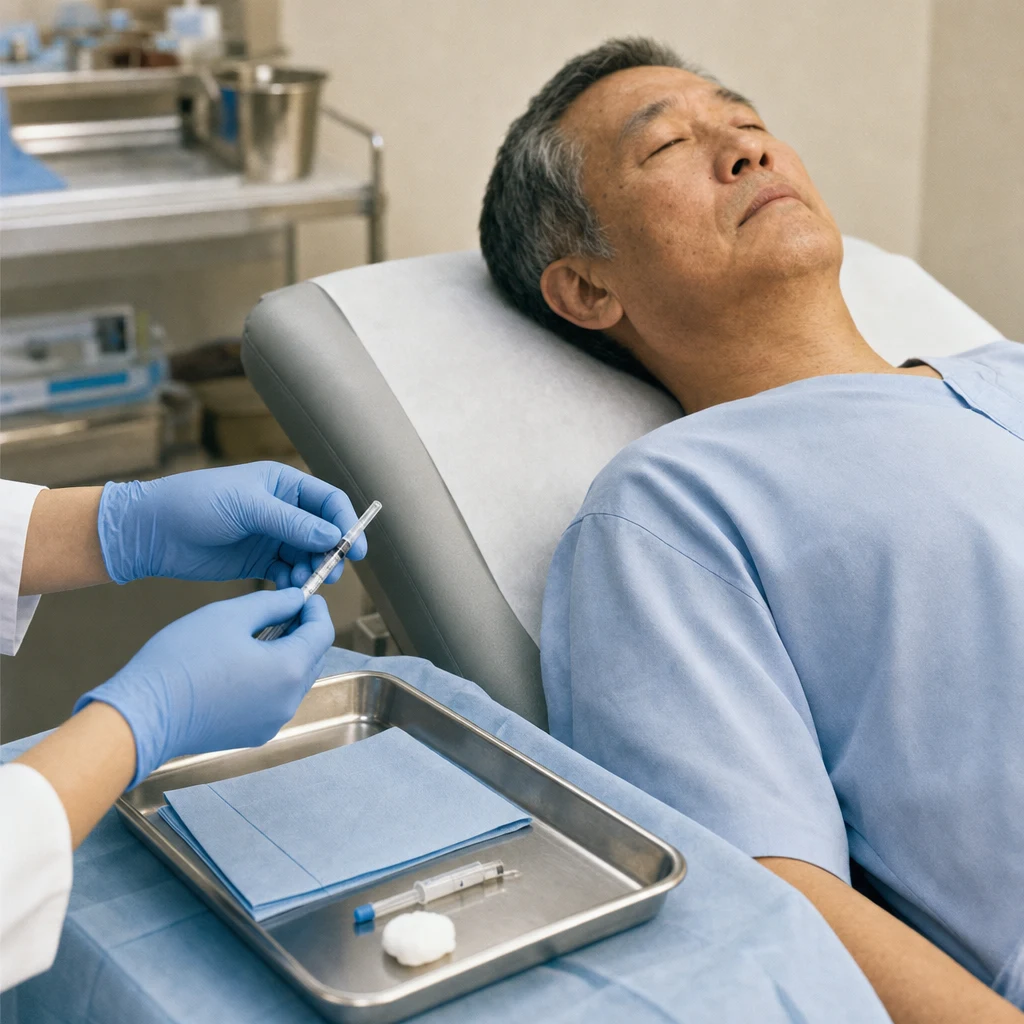
The first question that comes up before deciding on a procedure is anesthesia. People ask whether general anesthesia is necessary, whether local anesthesia is sufficient, and whether it will be painful. The reason this question comes first is clear. Many patients with benign prostatic hyperplasia are elderly and have underlying diseases. Therefore, the ability to tolerate the burden of general anesthesia becomes the actual criterion for making a choice.
Rezūm is performed under local anesthesia. After administering a local anesthetic to the urethra and around the prostate, the instrument is inserted. Patients who are highly anxious or sensitive to pain may choose sedation anesthesia, which usually involves additional costs. The choice of method is determined by comprehensively considering the size of the prostate, underlying diseases, and medications being taken.
It is misleading to understand local anesthesia as being the same as being completely painless. Sensation does not disappear entirely during the procedure. Especially when instruments and catheters pass through the urethra, you may feel pressure and foreign body sensation. If you assume in advance that it will not hurt at all, the gap between expectation and actual experience can directly lead to dissatisfaction. It is better to approach the procedure knowing that some sensation is within the expected range.
What Steam Does Inside the Prostate
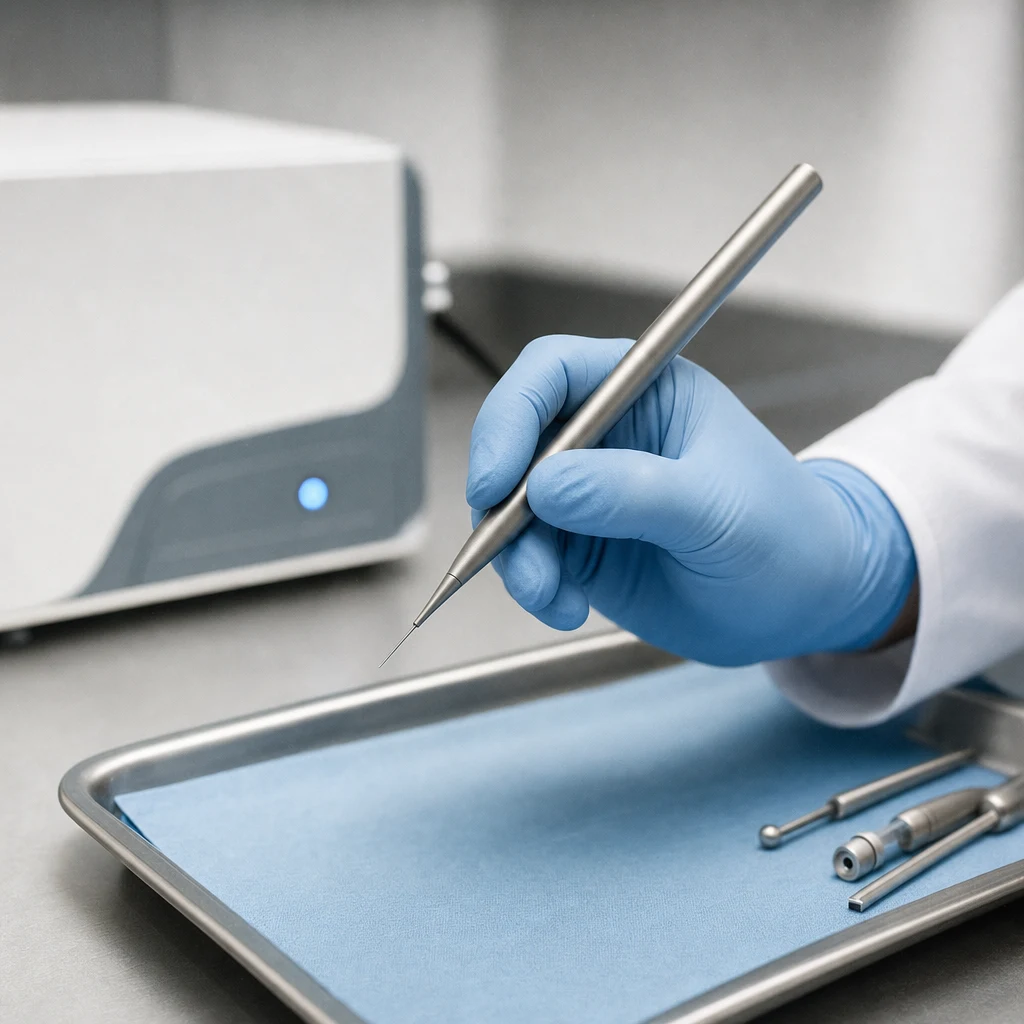
Many people think of burns when they hear about being scalded by steam. Feeling scared is a natural reaction. However, what actually happens is different from burning tissue.
The machine boils sterilized water using radiofrequency power to produce steam. A dedicated delivery instrument inserted through the urethra directly sprays this steam into the prostate transition zone. The transition zone is the area that actually swells and compresses the urethra in benign prostatic hyperplasia. The tip of the instrument has 3 sets of 4 steam emission holes each, arranged at 120-degree intervals, for a total of 12 holes, and steam is injected at each point for about 9 seconds.
The key is not temperature but condensation. The heat released when water vapor turns into liquid within the tissue, that is, the latent heat of condensation, is directly transferred to the cell membrane and causes cell necrosis. In this process, the blood vessels in the treatment area also coagulate and close, so the procedure itself results in relatively little bleeding. This explanation is commonly provided by both manufacturer materials and literature. Of course, this does not mean that there is absolutely no bleeding.
This is the point where a fundamental difference from other surgeries appears. The necrotic tissue is not removed immediately on the spot. Over the course of several weeks to months, the body’s immune response absorbs the tissue, and the prostate volume gradually decreases, relieving pressure on the urethra. It is not an immediate resection but a delayed tissue absorption. The procedure itself takes about 10 to 20 minutes, but the changes created during those 10 minutes appear over several months.
Catheter, why do you have to wear it for several days

After the procedure, a catheter is inserted. The reason is simple. The tissue into which the steam was injected swells. During the few days when the swelling presses more strongly on the urethra, it may be difficult to urinate on your own, so a catheter is used to urinate during that period. Once the swelling subsides, the catheter is removed.
It is difficult to set a definite number of days for the wearing period. Various sources commonly suggest a range of 3 to 7 days, but there is significant variation depending on the source. In cases where the prostate volume is large, the period is set longer, and for patients who were already using a catheter due to urinary retention before the procedure, the situation is different. Therefore, it is correct to understand that the exact duration depends on the size of the prostate and the urinary status before the procedure.
There is a specific reason why this question keeps coming up. How many days one has to wear a urinary catheter is not simply a matter of recovery time but rather a matter of daily life. Whether one can go to work, drive, or keep scheduled appointments depends on this. It is also important to realize beforehand that the unfamiliarity of living with a catheter itself can feel more significant than the pain. If you underestimate it by thinking it won’t be much of a discomfort, it can easily lead to confusion later. It is best to plan your schedule after receiving a thorough explanation of how to spend those days.
When will it start to get better

Just because the urinary catheter has been removed does not mean recovery is complete. Even after catheter removal, there may be pain or hematuric discharge during urination, which usually disappears within 1 to 2 weeks. This is within the expected range.
The recovery phase comes next. During the first few days, frequency, urgency, and a feeling of incomplete emptying may temporarily worsen. Patients expecting immediate improvement can understandably find this concerning, but it may occur as the treated tissue initially swells before gradually shrinking and being reabsorbed. Improvements in urinary flow generally develop over several weeks to several months; published reports commonly describe a timeframe of approximately one to three months.
Anxiety during the recovery period is usually not caused by a procedure going wrong. It occurs when one has not been informed in advance that symptoms may temporarily worsen. The gap between prior information and actual experience creates anxiety, which eventually solidifies into regret. This gap can be reduced simply through adequate explanations. Therefore, during pre-procedure consultations, the recovery curve should be clearly reviewed.
Complications also need to be considered. Urinary tract infections, temporary changes related to ejaculation, and the need for retreatment have been reported, but the incidence of complications in the literature is generally described as low, and most cases are mild and resolve naturally. However, a low frequency does not mean they do not occur at all. Rezūm is known as a procedure that relatively well preserves ejaculatory function, but statements claiming it has no impact on sexual function at all are exaggerated and lack medical evidence.
Rezūm, UroLift, and HoLEP are not the same thing
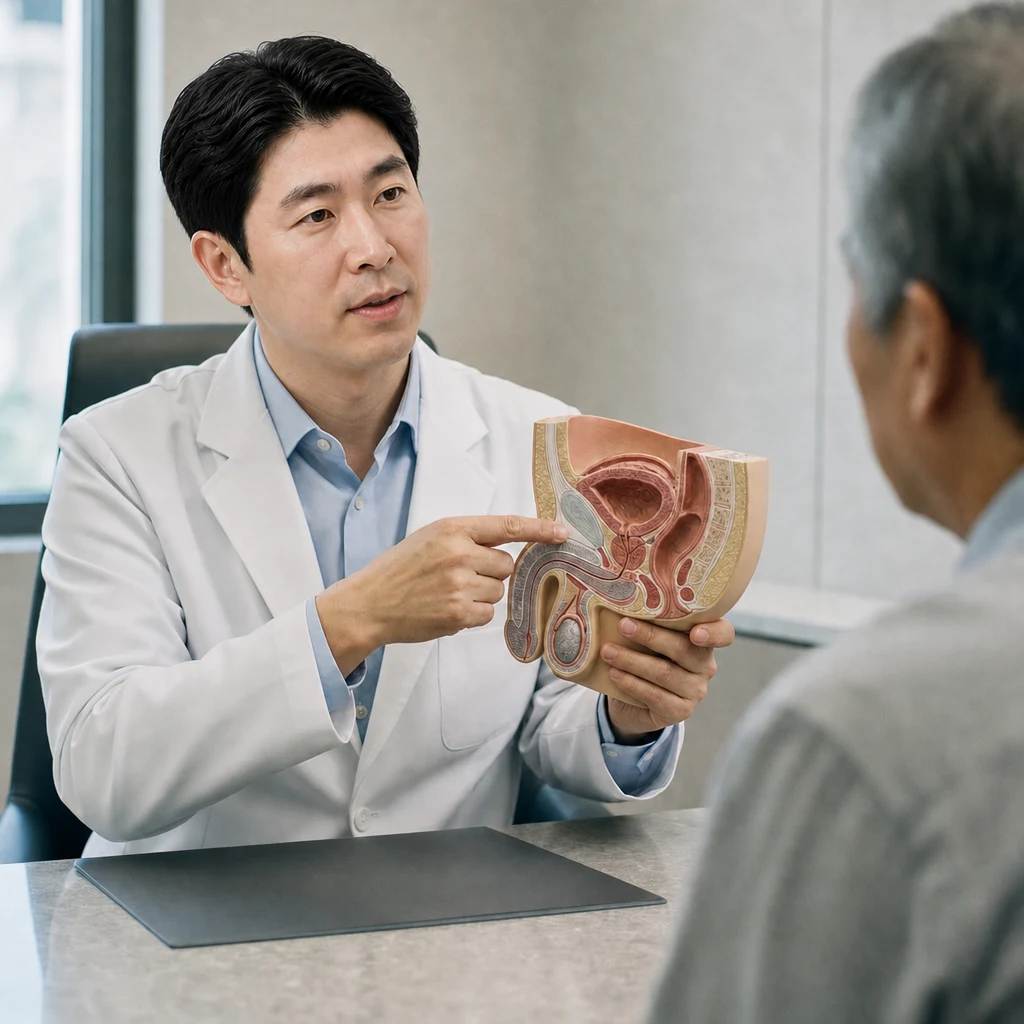
There are many reactions saying that the names of the procedures are confusing because they are varied. The results of reducing the size of the prostate or widening the urethra may seem similar. However, what happens inside the tissue is fundamentally different.
- Rezūm is heat. It causes cell necrosis through the latent heat of vaporization of steam, and the tissue is absorbed, reducing its volume.
- UroLift is a traction procedure. It pulls and fixes the enlarged prostate lobes caused by implants to the sides to secure the urethral passage without resecting heat or tissue. There is no process of removing tissue itself.
- HoLEP is about moderation. Using a holmium laser, prostate tissue is actually cut out and removed, and it is usually performed as an inpatient surgery.
The cost structure also varies. Rezūm is a non-covered item under insurance, so the entire cost is borne by the patient, and because a disposable steam delivery device is used for each procedure, the cost is relatively high. UroLift and iTind are also mainly non-covered items. On the other hand, HoLEP includes items covered by health insurance. Even for the same Rezūm procedure, the total cost varies depending on the size of the prostate, the number of devices used, the type of anesthesia, and the pre-procedure tests, so it must be directly confirmed at the hospital based on the test results.
Rezūm is a treatment designed for a single session. However, this does not mean it can be concluded to always be completed in just one session. There are resources that mention the possibility of retreatment depending on the size of the prostate or recurrence of symptoms. Ultimately, which procedure is suitable for an individual is determined by comprehensively considering factors such as the size and shape of the prostate, urinary function, the type of anesthesia one can tolerate, and the recovery period. It is difficult for patients to make this judgment based solely on the name of the procedure. It is a matter to be determined after consulting with medical professionals based on accurate test results.