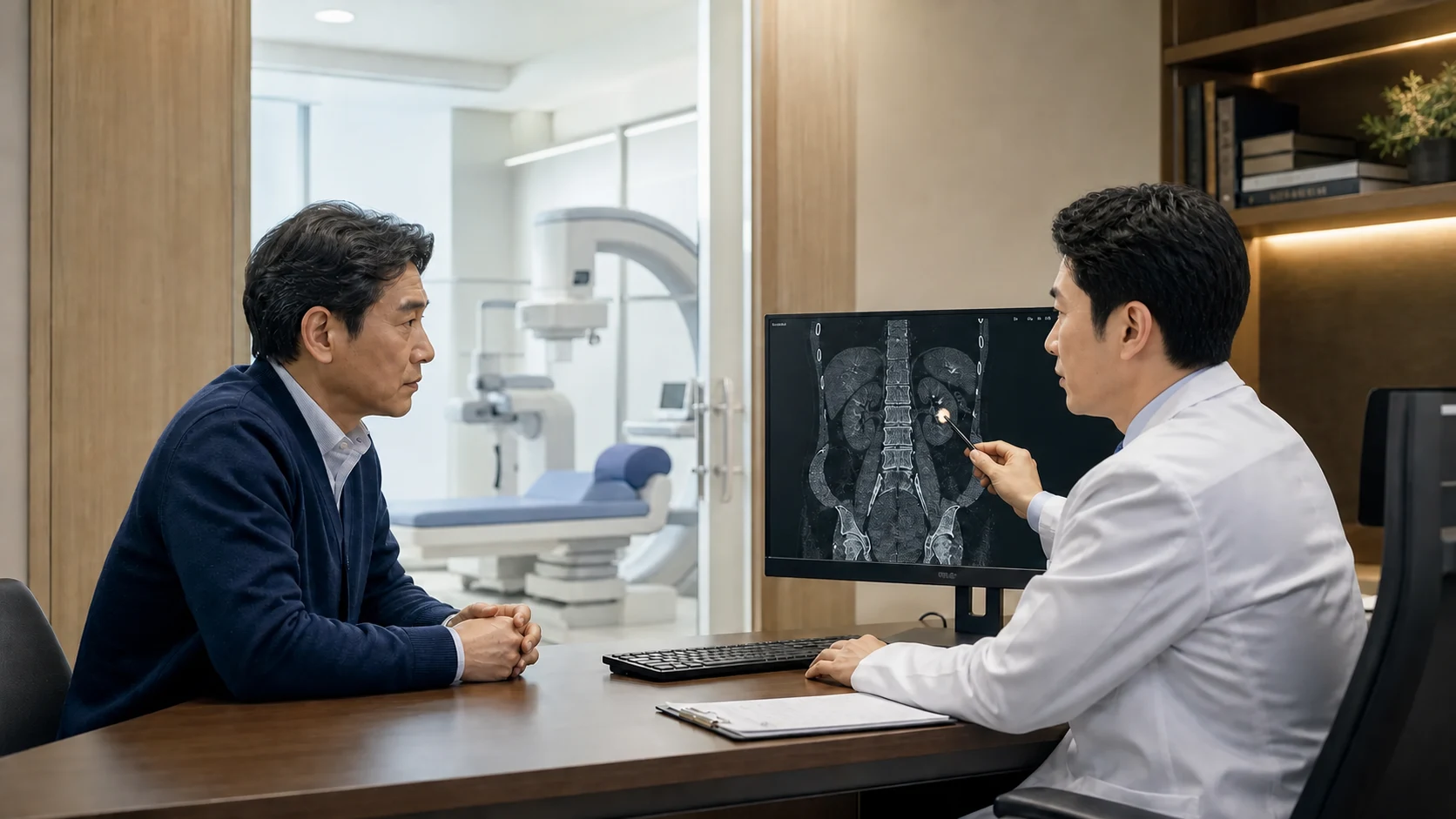
Samseong Station Extracorporeal Shock Wave Lithotripsy is a method sought by many people who want to treat urinary stones while reducing the burden of returning to daily life. It is characterized by not cutting the skin because shock waves are focused on the stones from outside the body to break them into small pieces.
However, ‘no incision’ and ‘completed in one go’ do not mean the same thing. The treatment is completed only when the fragments broken into small pieces are expelled from the body, and depending on the conditions of the stones, repeated lithotripsy or endoscopic treatment may be necessary.
We look at not just the size of the cavity, but also its location and hardness
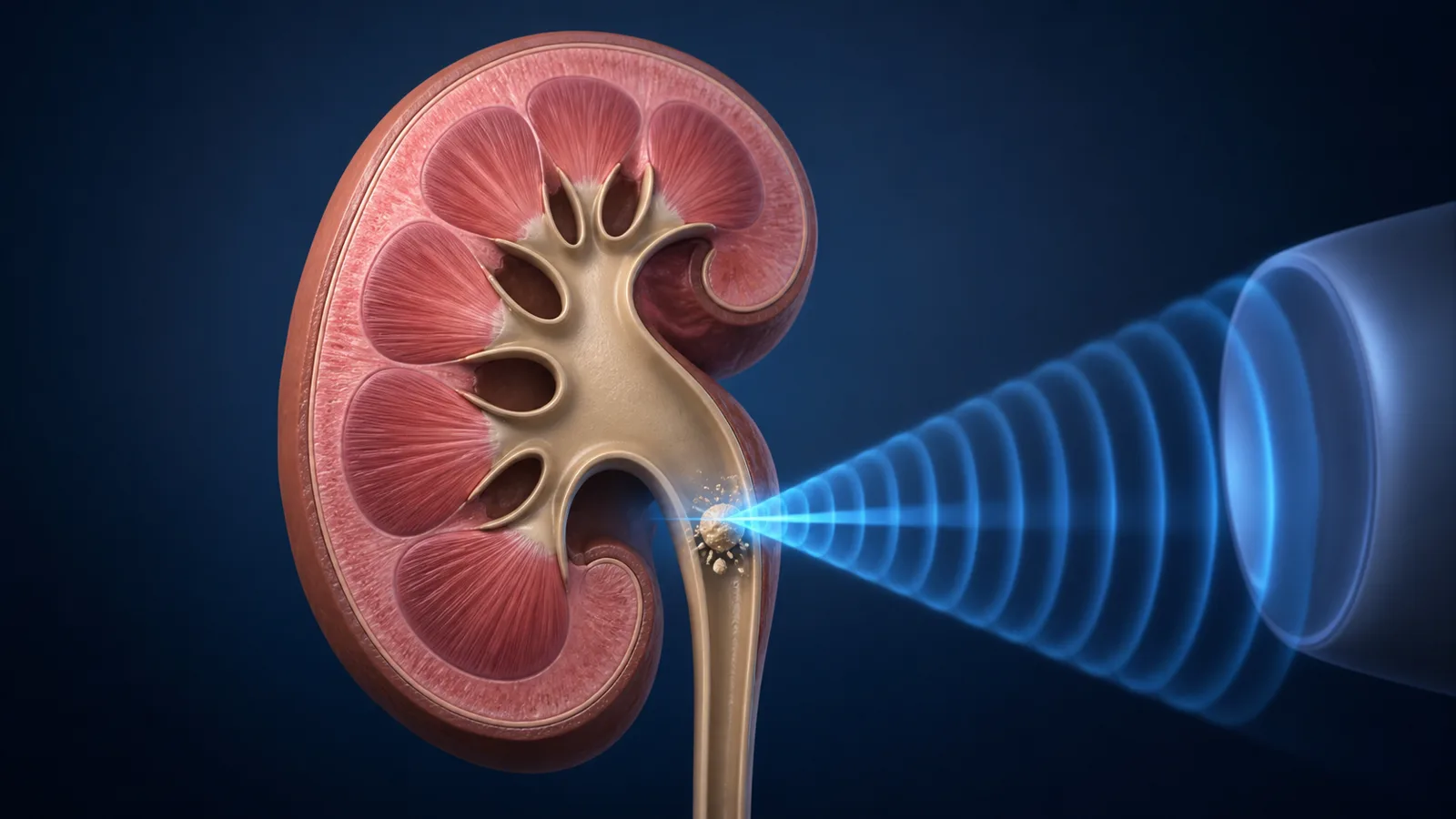
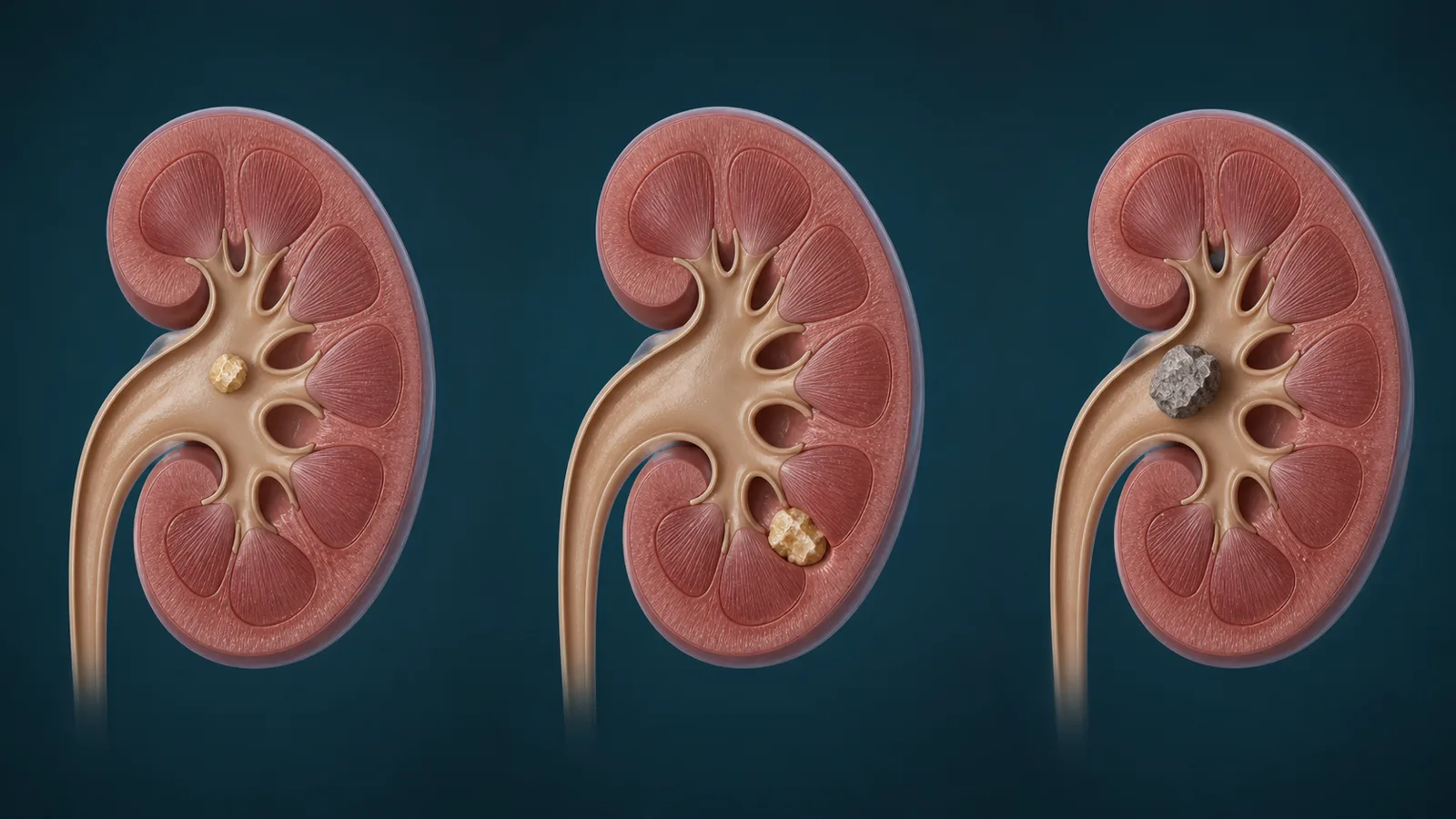
The outcomes of extracorporeal shock wave lithotripsy are influenced by stone size, location in the kidney or ureter, CT density and expected composition, the distance from the skin to the stone, and the structures through which urine drains. Stones located in the lower part of the kidney may be difficult to pass even after fragmentation due to gravity and anatomical angles.
There are also components that do not break easily with shockwaves, such as calcium oxalate monohydrate, brushite, and cystine. If the stone is large, hard, or difficult to target, ureteroscopic or percutaneous nephrolithotomy may be more appropriate. Rather than deciding on the treatment name first, it is necessary to compare the likelihood of stone removal and invasiveness of each method based on CT and ultrasound results.
Check the risk of infection and bleeding before the procedure
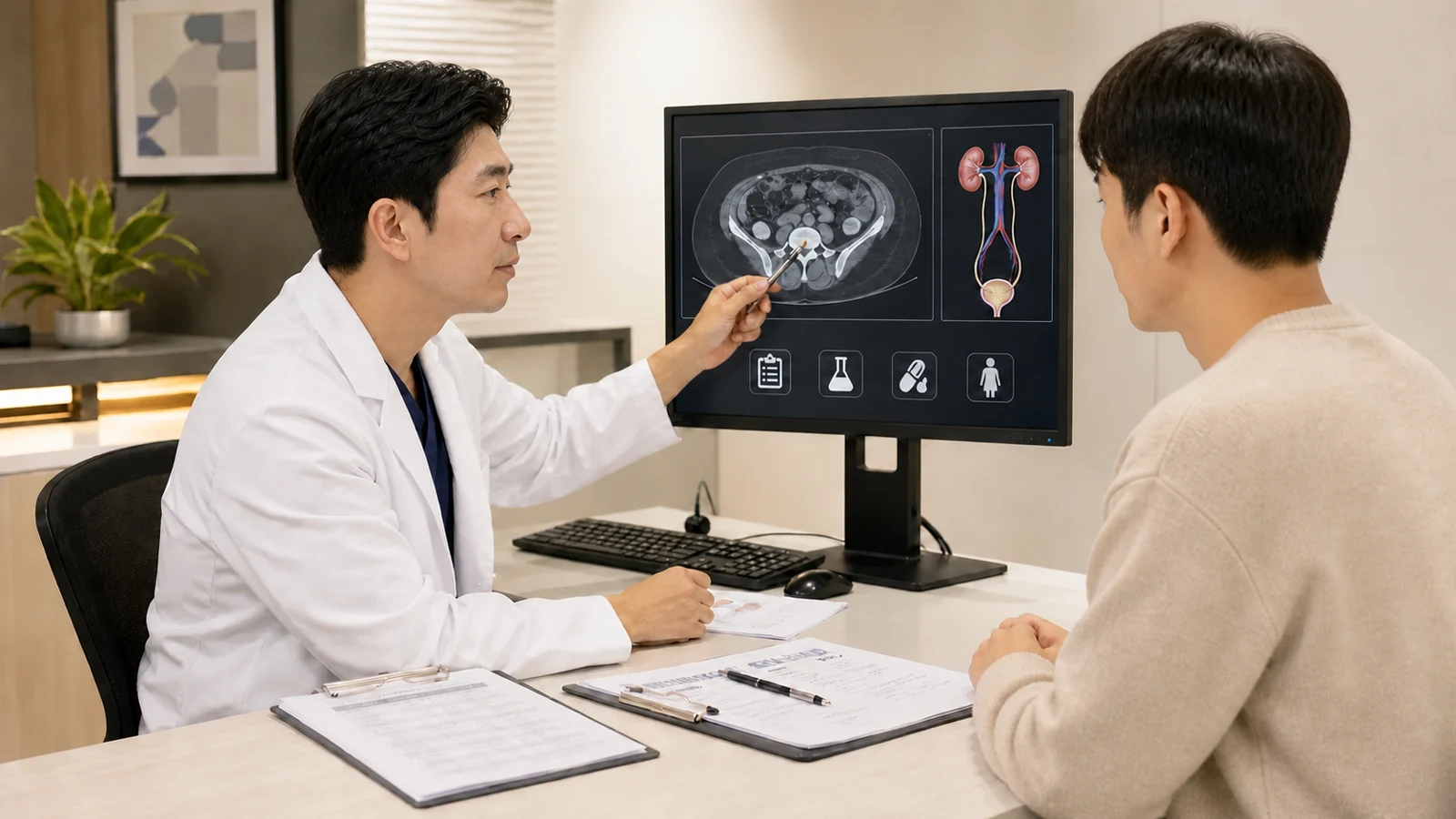
Infection is confirmed with a urinalysis and a culture test if necessary. If the infected urine is blocked by a stone and there is fever or chills, drainage and infection treatment may be needed first. Pregnancy is a contraindication for extracorporeal shock wave lithotripsy, and if there is a possibility of pregnancy, it must be reported in advance.
Anticoagulants and antiplatelet agents, bleeding disorders, and vascular issues around the kidneys also affect the plan. Arbitrarily stopping medication can increase the risk of thrombosis, so it must be coordinated by both the prescribing and the performing medical staff. Depending on test results and sedation method, confirm in advance the fasting requirements and whether someone needs to accompany you home.
Accurate aiming and pain control affect treatment outcomes
The position of the stone is confirmed with an X-ray or ultrasound on the treatment table, and shock waves are delivered through the treatment head in contact with the skin. The shock wave energy usually starts at a low level and is adjusted, and it is checked during treatment whether the stone is at the focus.
If your body moves or your breathing changes due to pain, the focus can become blurred. This is why appropriate pain control, image monitoring, and accurate coupling between the treatment head and the skin are important. Do not just endure discomfort during the procedure; inform the medical staff so that it can be adjusted.
We plan not only the procedure after work but also the situation after returning home

After the procedure, a small amount of blood in the urine, discomfort in the side, and colic caused by passing stone fragments may occur. Check in advance whether you can drive, take painkillers, and your work plans for the next day. Collecting the passed fragments in a strainer and keeping them can help with composition analysis and prevention of recurrence.
If stone fragments accumulate in a row in the ureter, a path for urine can become blocked. Even if there is no pain, obstruction can continue, so follow-up imaging at designated times is important. High fever and chills, inability to urinate, uncontrollable pain and vomiting, and a large amount of blood in the urine or blood clots are signals that require immediate medical attention.
When choosing extracorporeal shock wave lithotripsy at Samseong Station, you should check not only the procedure time but also the possibility of repeated treatments, the schedule for checking residual stones, and how to contact them if problems arise. The disappearance of pain can be different from the complete expulsion of the stones.
Referenced Medical Information
- European Association of Urology (EAU) 2026 Urolithiasis Guidelines
- European Association of Urology (EAU) 2026 Changes Summary
This article is intended to provide general health information and does not replace diagnosis or treatment. The treatment method for stones should be determined with medical professionals based on their location, size, composition, infection, and overall health condition.