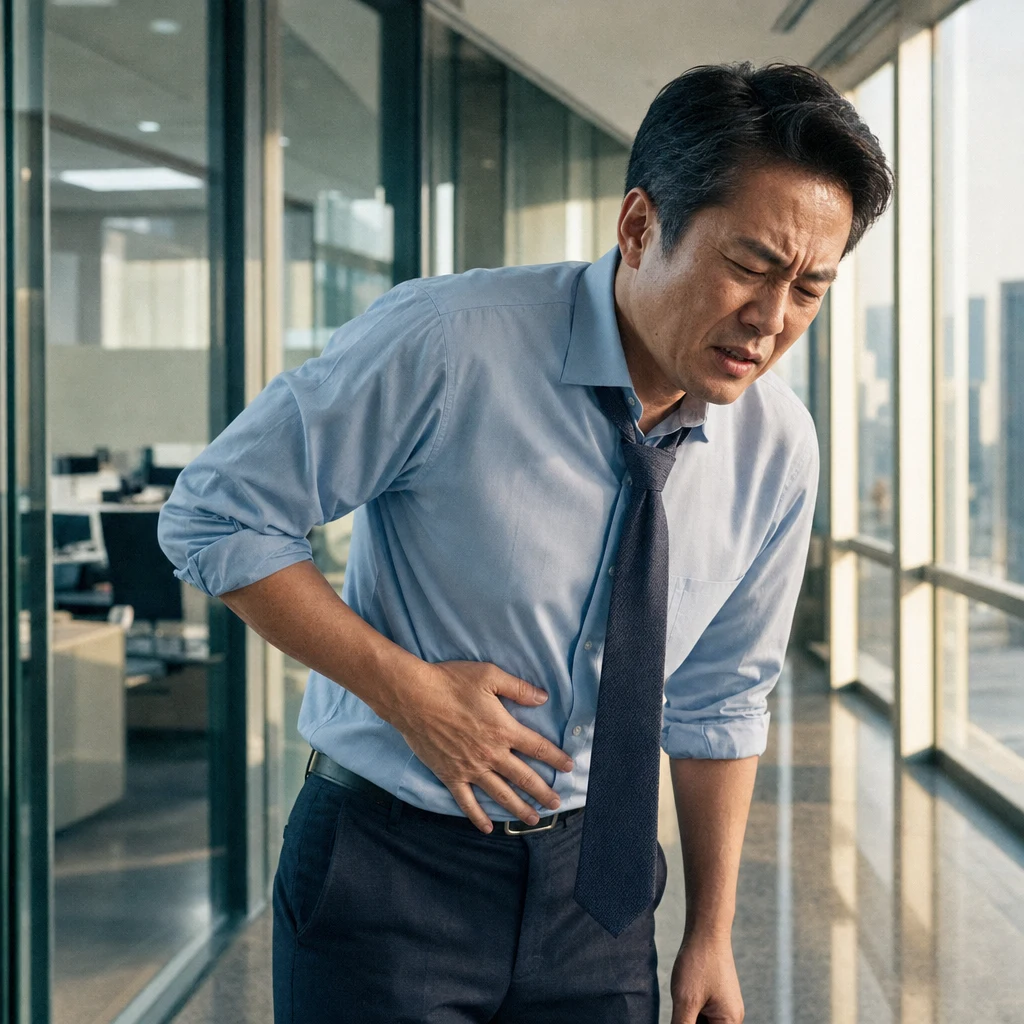
A sudden pain occurs in the side of the body. Whether sitting, lying down, or walking, it hardly gets better. The cause is pressure. When a stone blocks the ureter, the internal pressure of the upper urinary tract rises sharply, and the renal pelvis and ureter muscles perform peristaltic movements to push it out, causing visceral pain. Because of this, the pain spreads from the side to the lower abdomen and groin, and it does not subside even when changing positions. In the area around Samseong Station and Teheran-ro, there is one more question added to this. Could it be treated today?
If the pain does not decrease even when changing positions
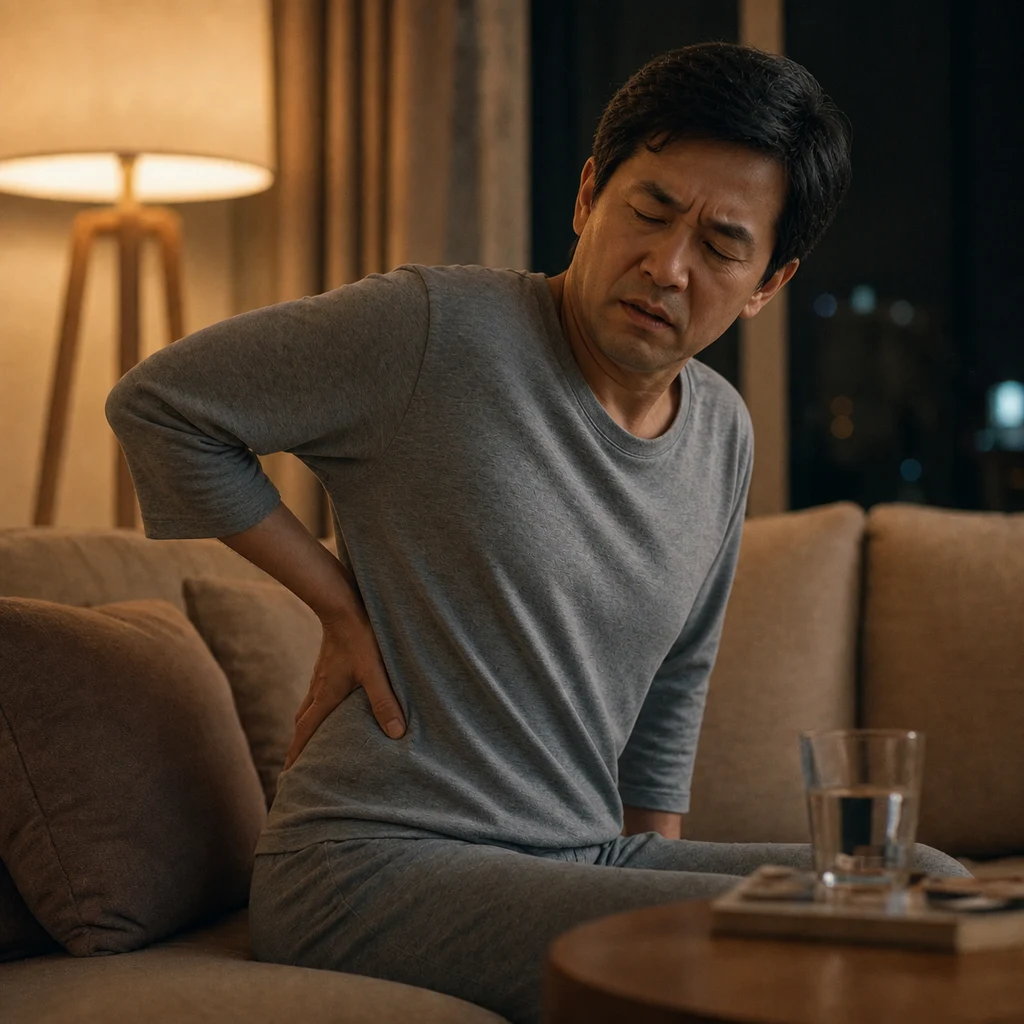
The first clue in differentiating diseases is the reactivity of the pain. Pain from gallstones or musculoskeletal issues often changes in intensity when you change your posture. However, pain caused by ureteral obstruction is different. No matter how you position your body, the pressure inside the ureter remains the same, so moving around to find a comfortable position does not relieve the pain.
You also need to look at the accompanying symptoms. Vomiting, cold sweats, and visible blood in the urine. If these three overlap with radiating pain, it is not a situation to simply brush off as mild muscle pain. The question that is most frequently repeated in online Q&A and hospital information page FAQs is also, ‘How do you know if this is a urinary stone?’ This also means that the initial few hours are often passed by in misunderstanding.
The pattern of regret is generally consistent. When the pain is mild, people tend to assume it’s indigestion or muscle pain and endure it, only to eventually end up heading to the emergency room in the middle of the night. Of course, having all three signs does not necessarily confirm kidney stones. A urine test and imaging tests are needed to accurately determine the location and size of the stone, so that the next treatment step can be decided.
Emergency room or urology tomorrow

In front of this question lies a clear crossroads: the presence of infection. If signs of infection such as high fever or chills coincide while the ureter is obstructed by a stone, the guidelines from the American Urological Association (AUA) and the European Association of Urology (EAU) classify this as a situation requiring immediate decompression. At this time, merely suppressing pain with analgesics can be dangerous, as it may potentially worsen into sepsis.
On the other hand, if the pain is controlled with painkillers and there is no fever, it is acceptable to visit the urology outpatient clinic the next day for examinations and to establish a treatment plan. However, the patient should not make this decision on their own. If the urine output noticeably decreases or the pain recurs repeatedly, the criteria for judgment change, so it is essential to have your condition reassessed by medical professionals.
Costs also influence decisions. The initial visit cost at the emergency room, based on the consultation fee and basic tests, is estimated at about 130,000–220,000 KRW for regional emergency medical centers and about 60,000–100,000 KRW for local emergency medical centers, with imaging and treatment costs billed separately. Data on patient question patterns show that when searching for urinary stones around Samseong Station, people commonly tend to check whether night and weekend consultations are available. Therefore, it is much more practical to check the available consultation times in advance before the pain occurs.
Does drinking a lot of water make it go away on its own?
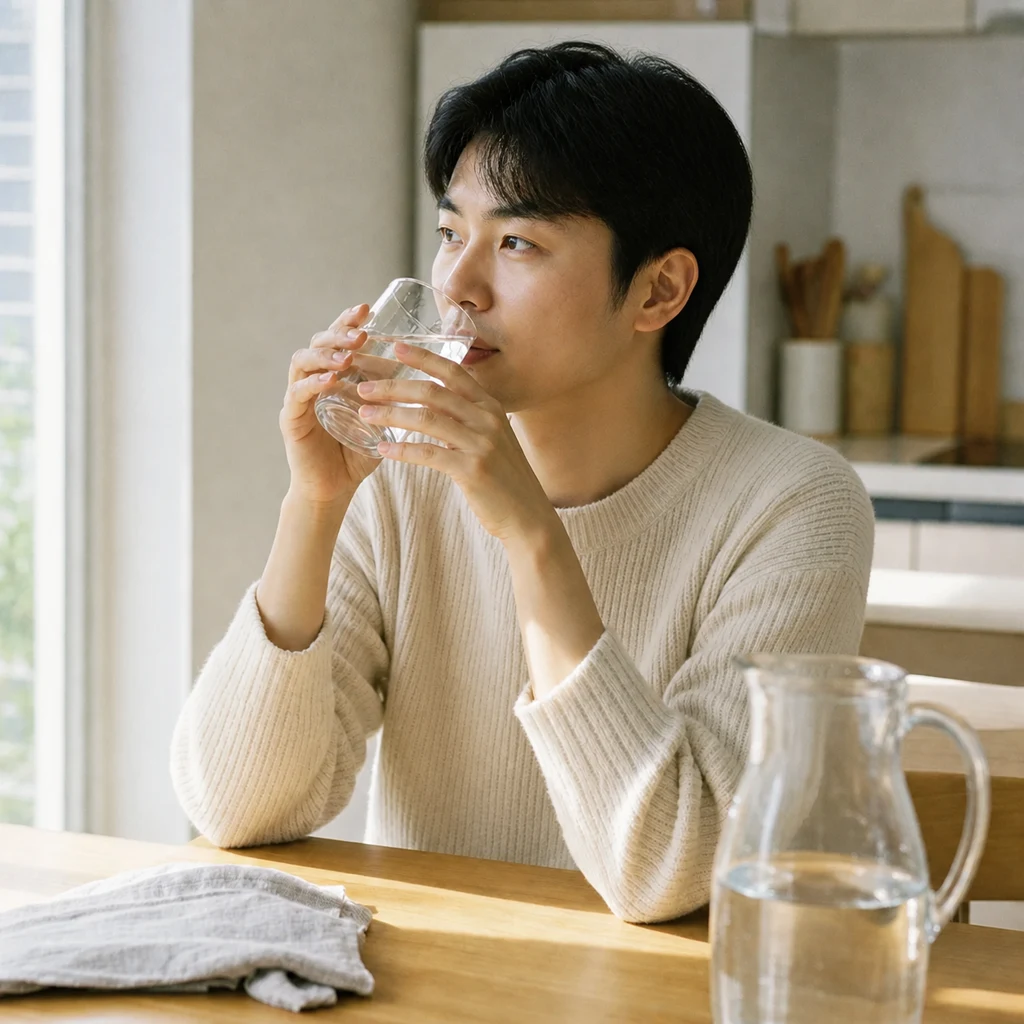
Of course, there are definitely cases where it is possible. If the stone is roughly less than 5mm in size, located in the lower ureter, and the pain is well controlled without severe obstruction or signs of infection, it is possible to monitor the situation while combining increased fluid intake, painkillers, and medications that help with expulsion. The observation period is usually up to about a month, and if it is not expelled within that time, it is common to consider active treatment.
The problem is that these detailed conditions are omitted, and the statement “Drinking a lot of water will make it all pass” is spread as a single sentence. During the acute phase when pain has already begun, it is often not resolved by fluid intake alone. If you blindly trust the conclusion while ignoring the important premise of the size and location of the stones, you may end up only delaying the timing of visiting a hospital.
There is one more point that is often overlooked. The fact that pain has disappeared does not necessarily mean that the stone has completely passed. This is because the stone may have shifted its position within the ureter, temporarily relieving the pressure. Therefore, the excretion of the stone should be confirmed through imaging tests, not subjective sensation.
Extracorporeal shock wave and ureteroscopy, the pathways through which energy reaches are different
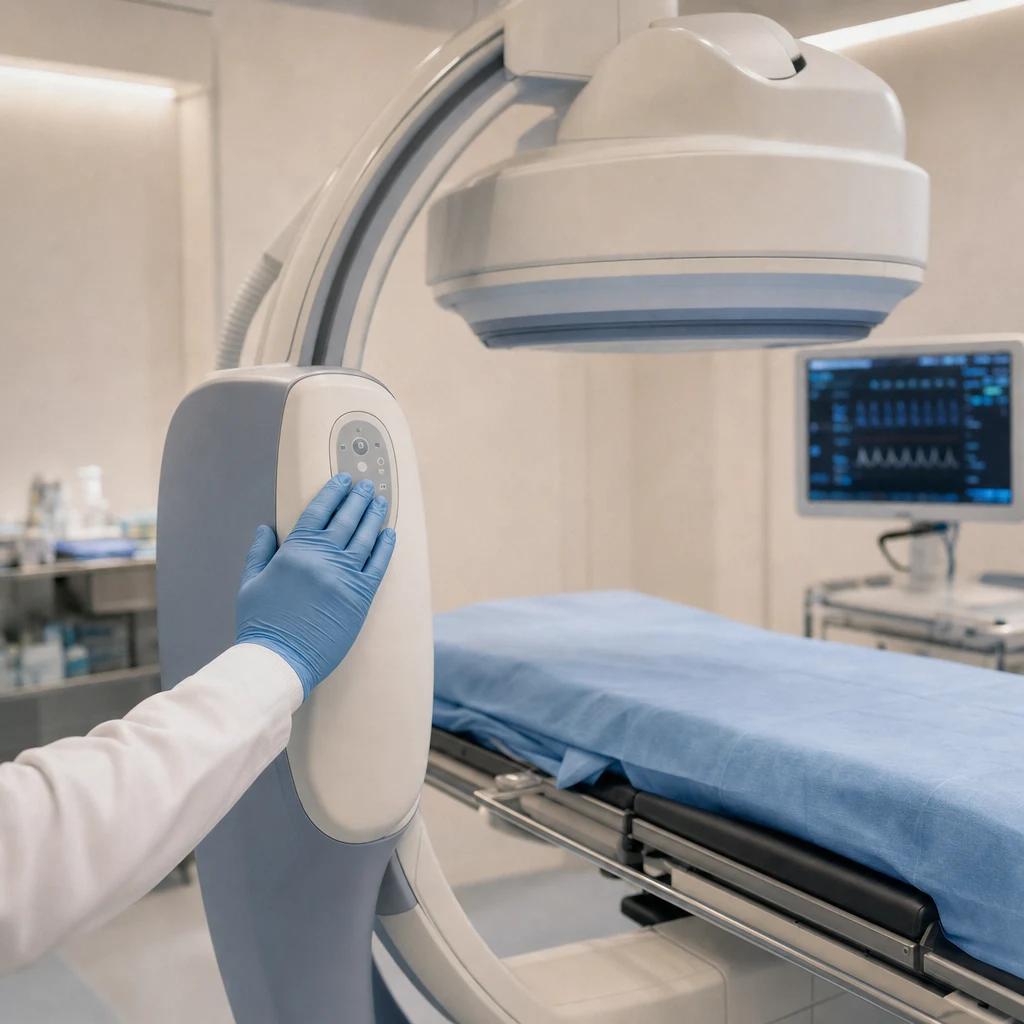
The goal of both procedures is the same in that they aim to break up kidney stones. What differs is the path through which the energy reaches the stone. Extracorporeal shock wave lithotripsy is a non-invasive method that physically breaks the stone by focusing shock waves from outside the body onto a single point of the stone. On the other hand, ureteroscopic laser lithotripsy is a minimally invasive method in which an endoscope is inserted through the urethra into the bladder and ureter to directly crush the stone with a laser. This difference in path leads directly to differences in the size of stones that can be treated and the recovery process.
The criteria for considering active treatment are generally well established. These include when the stone is large (approximately 10–20 mm or more) or located in a position where natural passage is difficult, when pain control continues to fail, and when a decline in kidney function is confirmed. Both methods are standard treatments based on decades of accumulated data and guidelines from the American and European Urological Associations, with clear primary selection criteria according to the size and location of the stone. Therefore, the starting point for choosing a treatment method is always the current status of the stone.
Side effects also vary depending on the approach. Extracorporeal shock wave lithotripsy can cause hematuria, perirenal hematoma, and the issue of residual fragments getting stuck in the ureter. Ureteroscopic laser lithotripsy has been reported to potentially cause ureteral injury or stricture and infection. Occasionally, people mistakenly fear these two procedures as major surgeries, which seems to be due to a lack of information about pain and the recovery process.
Pain may occur once more even after the procedure is over
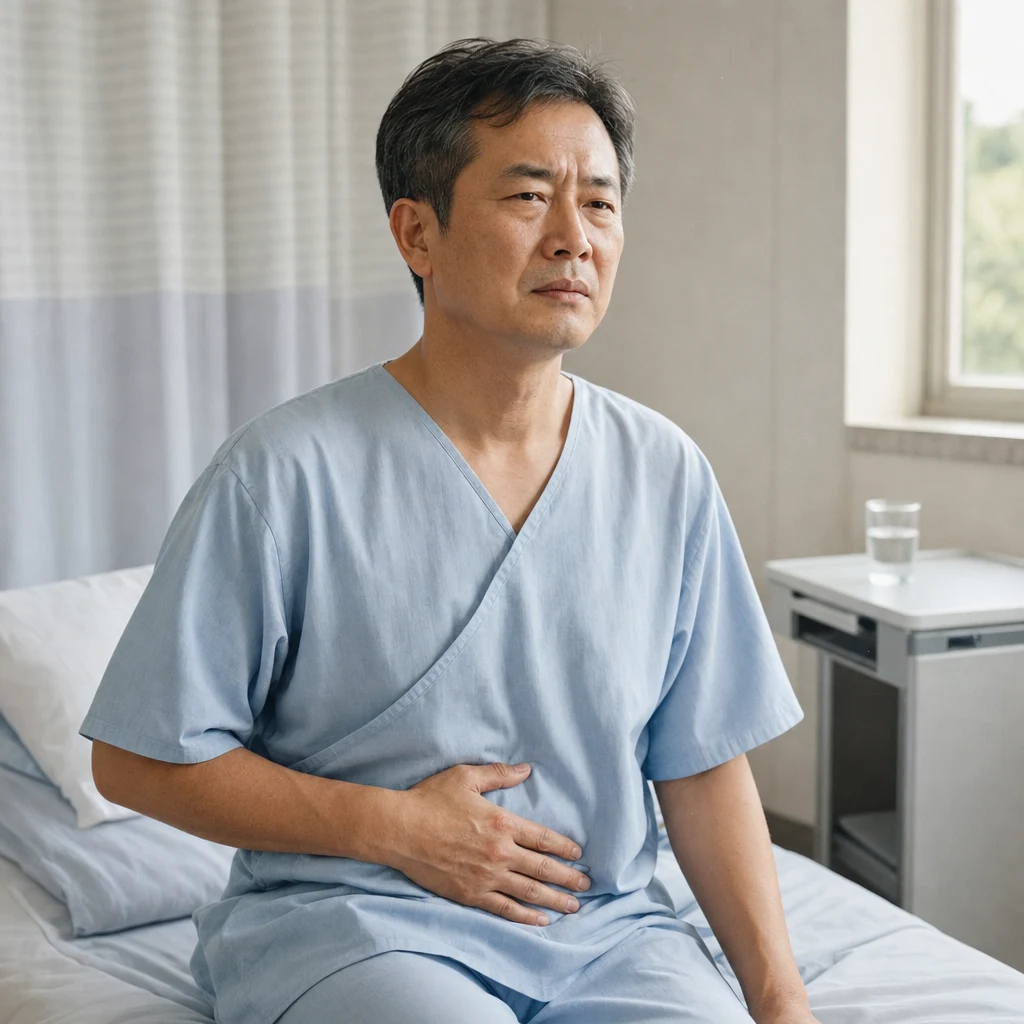
Extracorporeal shock wave lithotripsy is often explained to patients as feeling a tapping sensation on the body during the procedure, while ureteroscopic laser lithotripsy is most often associated with anxiety about whether anesthesia will be used. However, the point at which patients are actually most surprised is after the procedure. This is because pain can return as the fragmented stone pieces pass through the ureter. The procedure itself is only the step of breaking the stones into a size that can be passed, and there are several more days of passing the fragments afterward. Therefore, this period should also be included in the treatment plan.
Time and cost, ultimately determined by size

It is difficult to determine the cost with a single figure. The cost for one session of extracorporeal shock wave lithotripsy varies widely, ranging from 300,000 to 1,000,000 KRW, depending on the time of the appointment and whether it is covered by health insurance or not. This is because factors such as night and holiday surcharges and the inclusion of imaging tests can cause significant differences in billing amounts. Ureteroscopic laser lithotripsy, based on AllesDag statistics, averages around 1,480,000 KRW, with a reported range of approximately 1,010,000 to 1,800,000 KRW. Whether additional costs such as hospitalization and anesthesia are included varies by hospital.
The required time also differs. Extracorporeal shock wave lithotripsy is relatively short, usually taking about 30 minutes to an hour for the procedure itself, and it is generally performed on an outpatient basis with same-day discharge. On the other hand, ureteroscopic laser lithotripsy involves anesthesia, so more time is needed for recovery and observation, and whether the patient can go home the same day or requires short-term hospitalization varies by hospital. According to data analyzing patients’ decision criteria, many prioritize ‘whether the pain can be stopped immediately’ and ‘whether they can return to their daily routine the same day without hospitalization’ over cost.
The premise that it may not end in one go
It is consistently mentioned that stones larger than 8mm may not be completely broken down with a single session of extracorporeal shock wave lithotripsy, and a second procedure may be required or it may need to be switched to ureteroscopic laser lithotripsy. Therefore, if you calculate based only on the cost of one procedure, unexpected expenses may arise. Indemnity insurance covers a significant portion of the out-of-pocket costs for covered items, but for non-covered items, the coverage can vary greatly depending on the insured household and the policy terms. Do not assume in advance that indemnity insurance will cover the full cost, and be sure to carefully check how covered and non-covered items are classified before the procedure.
In the face of the 50% recurrence rate

According to data from the National Health Knowledge Center, the recurrence rate of urinary stones reaches around 50%. This means that half of the patients experience them again. It is common for people to think that treatment ends the problem, only to be caught off guard by the same pain a few years later, and this pattern aligns with these statistics. Stones are not a one-time event but rather a result created by physical conditions. If the metabolic conditions that cause certain substances in the urine to become oversaturated are not improved, stones can form again at any time.
Therefore, the key to preventing recurrence can be summarized in two points. One is to accurately identify which components are in a supersaturated state through metabolic evaluations, such as a 24-hour urine test, and the other is to adjust fluid intake and diet based on those results. This is not something that can be solved simply by giving up a specific food. The direction of dietary adjustments varies completely depending on the composition of the stones.
What you do immediately after the pain disappears determines the likelihood of recurrence of stones in the future. After the stone is expelled, it is necessary to confirm through imaging whether the stone has actually passed and to consistently adjust water intake and diet according to the results of metabolic evaluation. Seoul NewGen Urology Clinic, located near Samseong Station, also handles stone treatment not simply by controlling pain, but as a single process that includes confirming complete expulsion and checking the conditions for preventing recurrence. Soothing acute pain and preventing the next stone are ultimately considered part of the same treatment process.